Burnaby Residents Get Community Guide to Healing After Stressful Experiences
Burnaby's new healing guide names four specific daily rituals, including evening reflection and journaling, as anchors for nervous system recovery after stress.
Recovery from stress doesn't follow a single script, and a community-oriented guide published this week for Burnaby residents leans into that reality from the opening line: "Stress responses to stressful events are dynamically dissimilar."
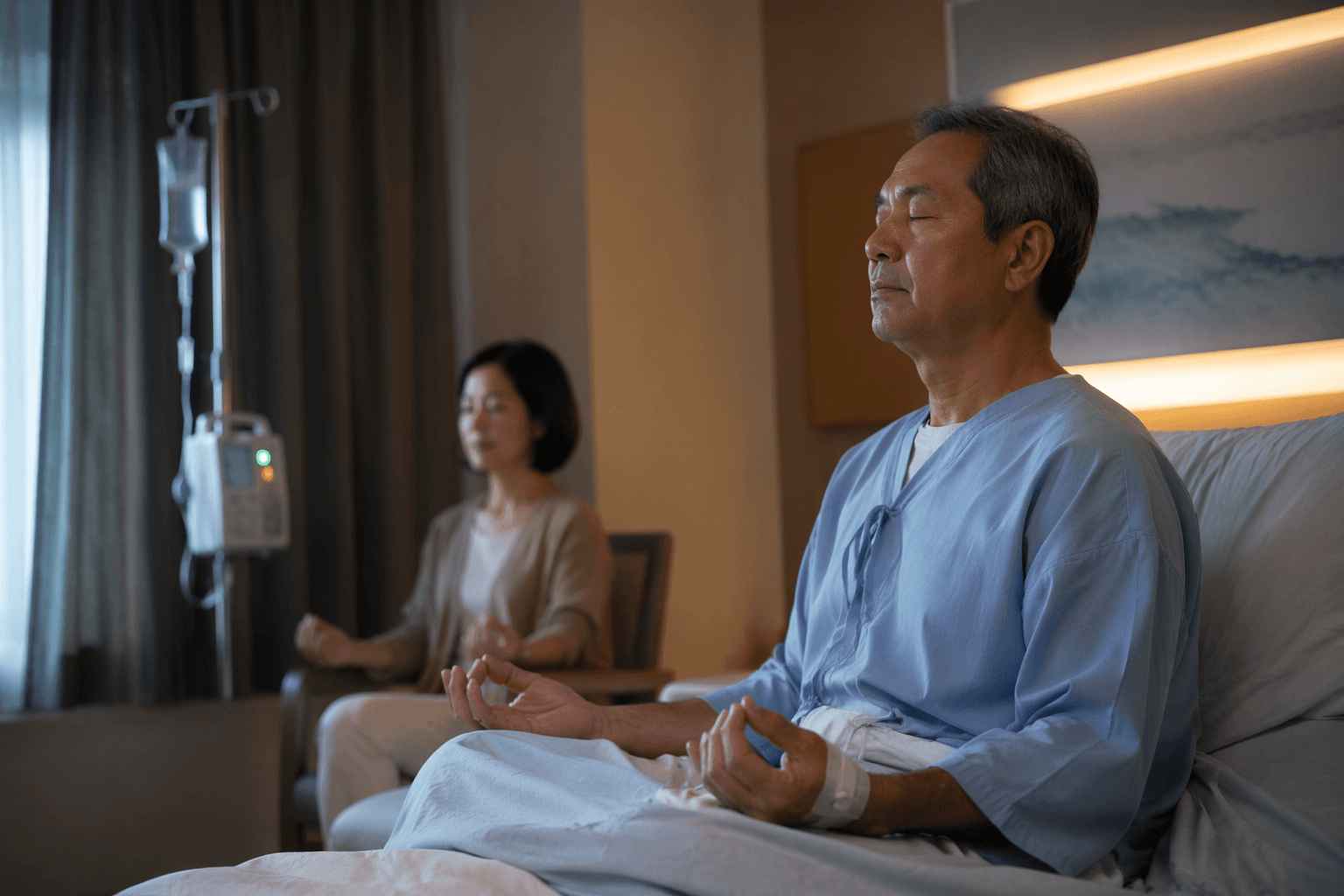
The guide, titled "Navigating Life After Stressful Experiences: Burnaby's Guide to Healing," was published March 10, 2026, through Winston News Wire. It frames mindfulness not as a lofty practice but as a practical attention tool. "Mindfulness training helps you to pay attention. It prevents the vexing thoughts from taking their toll on you. When one meditates, or even just breathes deeply or listens to the world around them, it is allowing your brain to relax. The emotions you experience ease up, as well."
The guide draws a clear line between reactive coping and the kind of intentional awareness that builds genuine resilience. Rather than suppressing or analyzing emotions, the approach it describes is closer to what seasoned practitioners recognize as non-judgmental witnessing: "In place of judging anything that appears, you merely watch it; you don't have to get involved or reply without consideration." Over time, that witnessing translates into something more concrete: "You become more skilled in picking your response as opposed to merely reacting. This is what really develops a resilient character, and you will be tranquil inside even when the scenario is extremely stressful."
Alongside mindfulness, the guide places significant weight on structured daily ritual. It specifically highlights what it calls Strauss's rituals: morning stretches, journaling, taking short walks, and evening reflection. These four practices are described as "regular points of reference to mental clarity" that "indicate security to the nervous system and develop mini-repeated enjoyments of command." The framing is grounded in a nervous-system logic familiar to anyone who has worked with somatic approaches to stress recovery: consistency itself becomes the medicine.

The guide recommends pairing these rituals with intentionality and meditation, describing the combination as a foundation for sustained recovery. "People may minimize the stress and restore emotional equilibrium to daily life by incorporating meaningful activities into rituals. These simple practices add up gradually and form the basis for sustained recovery."
The tone throughout is one of patient self-compassion rather than urgent intervention. "Compassion towards oneself, patience, and unrelenting encouragement, these are the companions one desires to have during the process," the guide states. It also encourages professional support alongside self-directed practices: "Just by listening to yourself on what you need, relying on those who are professional, and actually taking proper care of your body and your mind, you will be able to endure the rough times."
The closing note is quietly hopeful. "There is a sense of purpose and determination, and life begins to get full and meaningful again. The balance comes back. You feel it." For a community navigating the uneven terrain of post-stress recovery, that stepwise framing, one walk, one journal entry, one evening of reflection at a time, may be exactly the kind of permission people need to begin.
This article was produced by Prism’s automated news system from verified source data, official records, and press releases, then run through automated quality and moderation checks before publishing. The system is built and supervised by the people who set the standards it runs under. Read our full AI policy.
Did this article answer your question?