Mindfulness program eases stress in infertility treatment, study finds
A 75-couple trial tested mindfulness against stress, cortisol, marriage quality and pregnancy in fertility care, pushing the practice beyond simple relaxation.

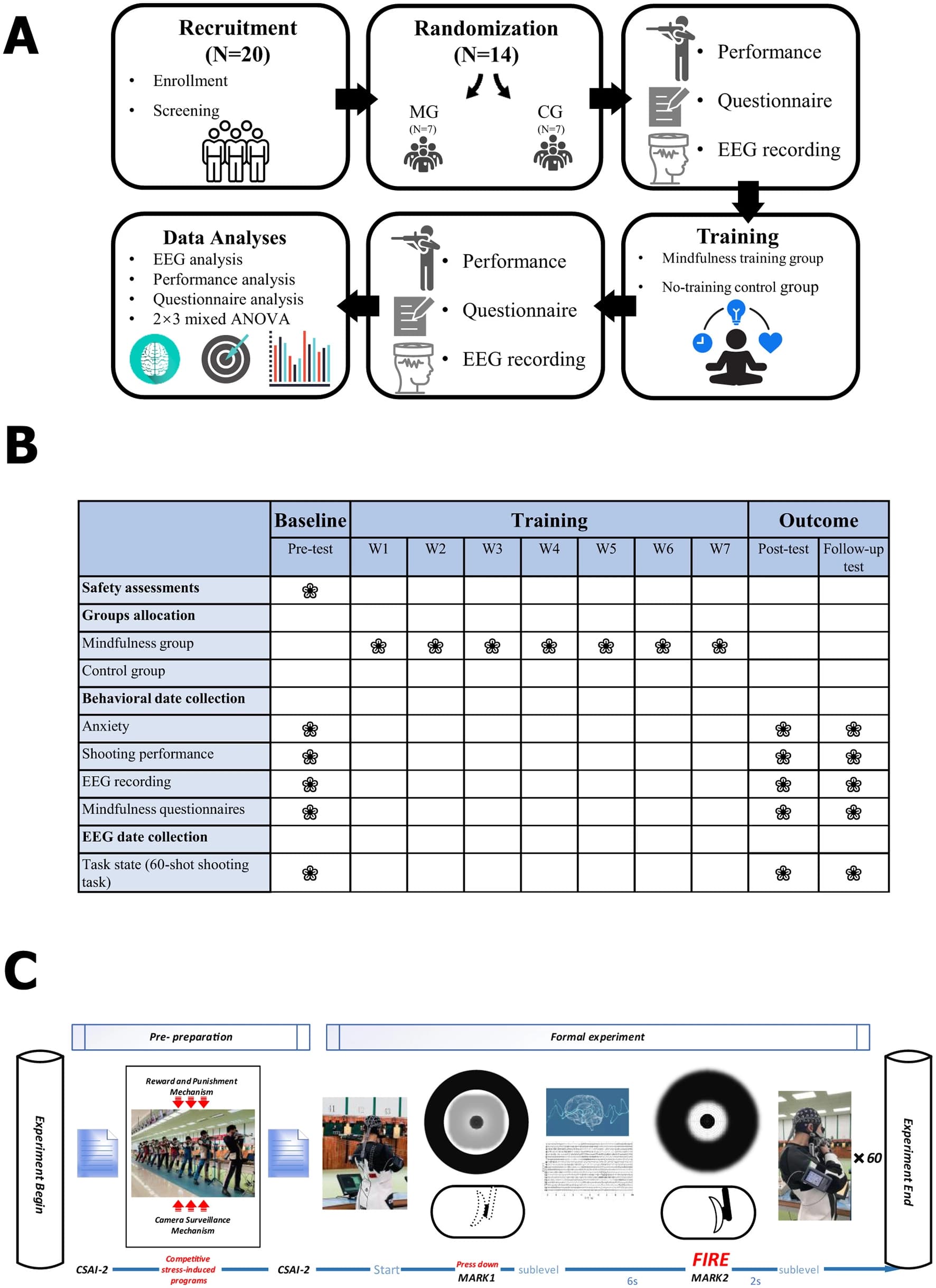
A mindfulness program for infertile couples undergoing assisted reproductive treatment was tested in one of the most outcome-heavy studies the field has produced, with researchers tracking stress, salivary cortisol, marital relationships and successful pregnancy in the same randomized trial. The study used a randomized-controlled parallel design with repeated measures and enrolled 75 infertile couples, putting hard numbers behind a question that matters in fertility clinics: can mindfulness do more than calm the mind?
That question lands in a treatment landscape shaped by real pressure. The World Health Organization estimates that about one in six people of reproductive age worldwide will experience infertility in their lifetime, and in 2023 said roughly 17.5% of the adult population is affected. WHO also issued its first infertility guideline in 2025, underscoring how much global health policy now treats infertility as a major care issue rather than a niche concern. In the United States, the American Society for Reproductive Medicine defines infertility as a disease that affects reproductive function and says treatment should not be delayed or denied because of relationship status or sexual orientation.
The new paper fits into a growing evidence base that has been moving beyond vague wellness claims. A 2023 meta-analysis in Human Reproduction Update found 58 randomized trials of psychological interventions for infertility, including 21 that measured pregnancy rates. Those interventions showed a beneficial effect on combined psychological outcomes, with a Hedge’s g of 0.82, and a smaller but positive effect on pregnancy, with a relative risk of 1.25 and a 95% confidence interval of 1.07 to 1.47. A 2025 randomized clinical trial of 300 infertile couples reported a clinical pregnancy rate of 39.3% in the intervention group versus 22% in the control group after an eight-week face-to-face interactive educational program supplemented by social media support.

What sets the 2026 study apart is its attempt to connect the psychological and the biological. Salivary cortisol gives the trial a noninvasive stress marker, while marital relationship measures bring the couple dynamic into view. That matters because the evidence on stress biomarkers in IVF has been mixed: a 2024 review found chronic stress may be tied to poorer fertilization outcomes, but acute stress was not consistently linked to embryo transfer or pregnancy rates. A 2026 prospective study also reported no association between perceived stress, infertility-related stress and cortisol levels with IVF cycle outcomes.
The trial was registered in the Thai Clinical Trials Registry as TCTR20221014004 and described as a mindfulness-based program targeting stress, marital relationship quality and pregnancy success in infertile couples undergoing ART. It also planned to examine participants’ perceptions and experiences of successful and unsuccessful pregnancies, which could add a lived-experience layer to the numbers. For fertility communities, the practical reading is clear: mindfulness is being tested as an adjunct with measurable targets, not as a cure, and the strongest version of it is the one tied to stress, relationship strain and treatment outcomes all at once.
Know something we missed? Have a correction or additional information?
Submit a Tip