Nature-based mindfulness sit spot boosts student wellbeing and connection to nature
A short sit spot practice gives mindfulness a real place to stick: outside, repeated, and tied to class life. New research says it can lift student wellbeing and strengthen nature connection.

Why sit spot works when abstract mindfulness misses the mark
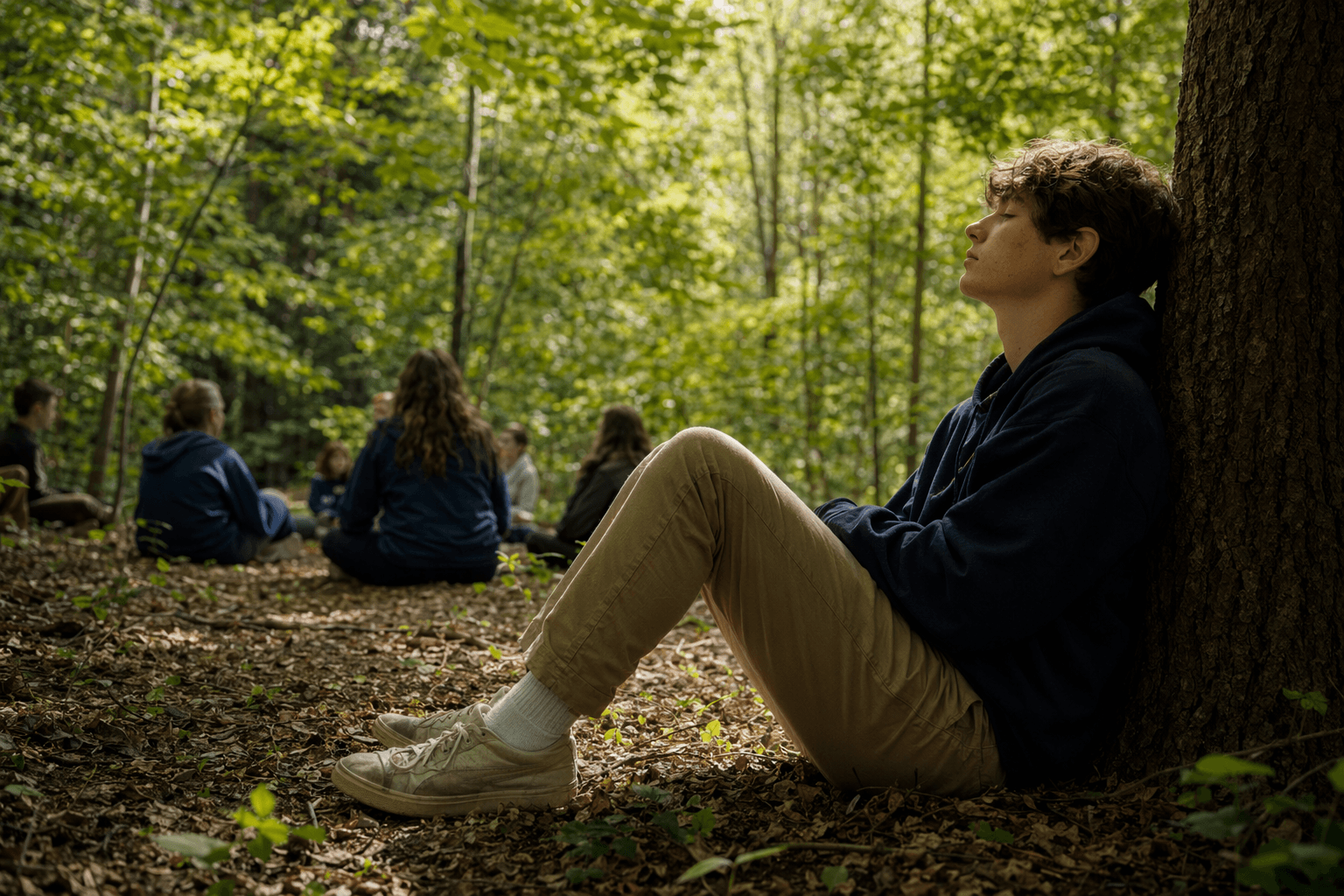
A sit spot practice makes mindfulness concrete. Instead of asking students to “be mindful” in the abstract, it sends them to the same outdoor place again and again, where attention has something real to land on and compare from one visit to the next. That simplicity matters in college settings, where stress and anxiety can hit academic performance, satisfaction, and completion.
The May 18, 2026 study treats this as more than a wellness add-on. It frames mindfulness as part of the classroom itself, arguing that faculty can create restorative learning spaces through pedagogies of wellness. In practice, that means the exercise is not a detached meditation lesson, but a repeatable assignment that connects inner regulation, environmental awareness, and course culture.
What the assignment actually involved
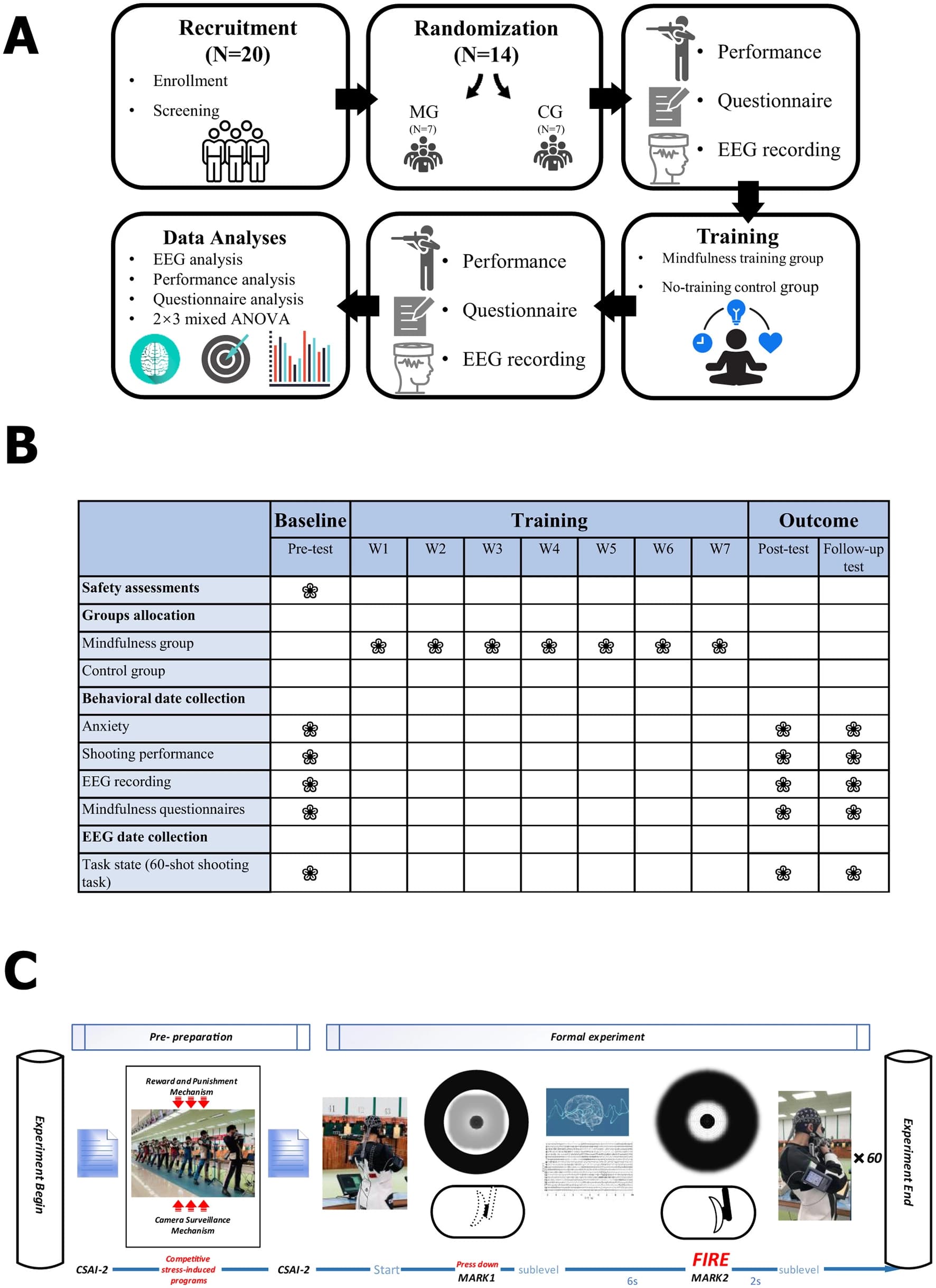
The research used a mixed-methods approach to evaluate a brief, repeated nature-based mindfulness practice in college courses across two separate disciplines. The study looked at four specific outcomes: connectedness to nature, positive affect, negative affect, and mindful attention awareness. That matters because it goes beyond vague “feeling better” claims and tests whether the practice shifts both mood and attention.
One of the classes was an entry-level Environmental Studies course called “Humans & Nature,” taught by the first author. That detail tells you a lot about why sit spot is such a practical teaching tool: it fits naturally in a course already asking students to notice relationships between people and place, but it is simple enough to use beyond environmental studies too. The point is not to turn every class into a meditation seminar. The point is to build a short, structured habit that students can actually repeat.
Why campuses are paying attention now
The student mental health backdrop is hard to ignore. The American Psychological Association reported in 2022 that more than 60% of college students met criteria for at least one mental health problem in the 2020-2021 school year, and nearly three-quarters reported moderate or severe psychological distress in another national survey. A separate body of CDC-linked research, using 26,881 undergraduates at 70 U.S. institutions, found that high stress, loneliness, low flourishing, and serious psychological distress all increased from Fall 2019 to Fall 2020.
Those numbers help explain why small, low-cost practices are getting more attention. Campuses are not just looking for one-time mental health events; they need supports that can live inside courses, residence-life programming, and wellness initiatives without demanding a lot of infrastructure. Sit spot is attractive because it is repeatable, quiet, and easy to scale.
What makes sit spot different from generic mindfulness advice
A lot of mindfulness content fails because it floats away from real life. Sit spot does the opposite: it gives the practice a fixed location, a short time frame, and a natural setting. That combination is exactly what makes it more usable than broad advice about “being present,” especially for students who already have packed schedules.
The broader research record points in the same direction. A 2023 review in the International Journal of Environmental Research and Public Health found that brief nature-based mindfulness interventions appear effective at reducing anxiety among college students, but they are often delivered in isolation and without intentional integration of mindfulness and nature theory. Sit spot addresses that gap by making the nature component part of the method, not just the backdrop.
A 2026 conference poster pushed the idea further by describing sit spot across five courses taught by three instructors. That kind of spread is important because it suggests the practice is not confined to one enthusiastic professor or one lucky class format. It can travel across classrooms if the assignment is clear and the expectations are realistic.
How to adapt it in a class, on campus, or on your own
The 2025 Springer chapter on nature-based teaching activities is useful because it places sit spot alongside two other practices, gratitude in nature and nature journaling, as tools that can get students moving, foster experiential learning, and help them connect theory and application. The chapter also explicitly frames these activities as useful for courses centered on people-environment interactions, self-care, and sustainability. That makes sit spot a natural fit for faculty who want a wellness practice that still serves academic goals.
If you want to adapt it, keep the assignment tight:
- Pick one outdoor location that can be revisited consistently.
- Keep the practice brief, so it is realistic for busy students.
- Repeat it enough times that students can notice change, not just scenery.
- Ask students to track what shifts in attention, mood, and sense of connection to place.
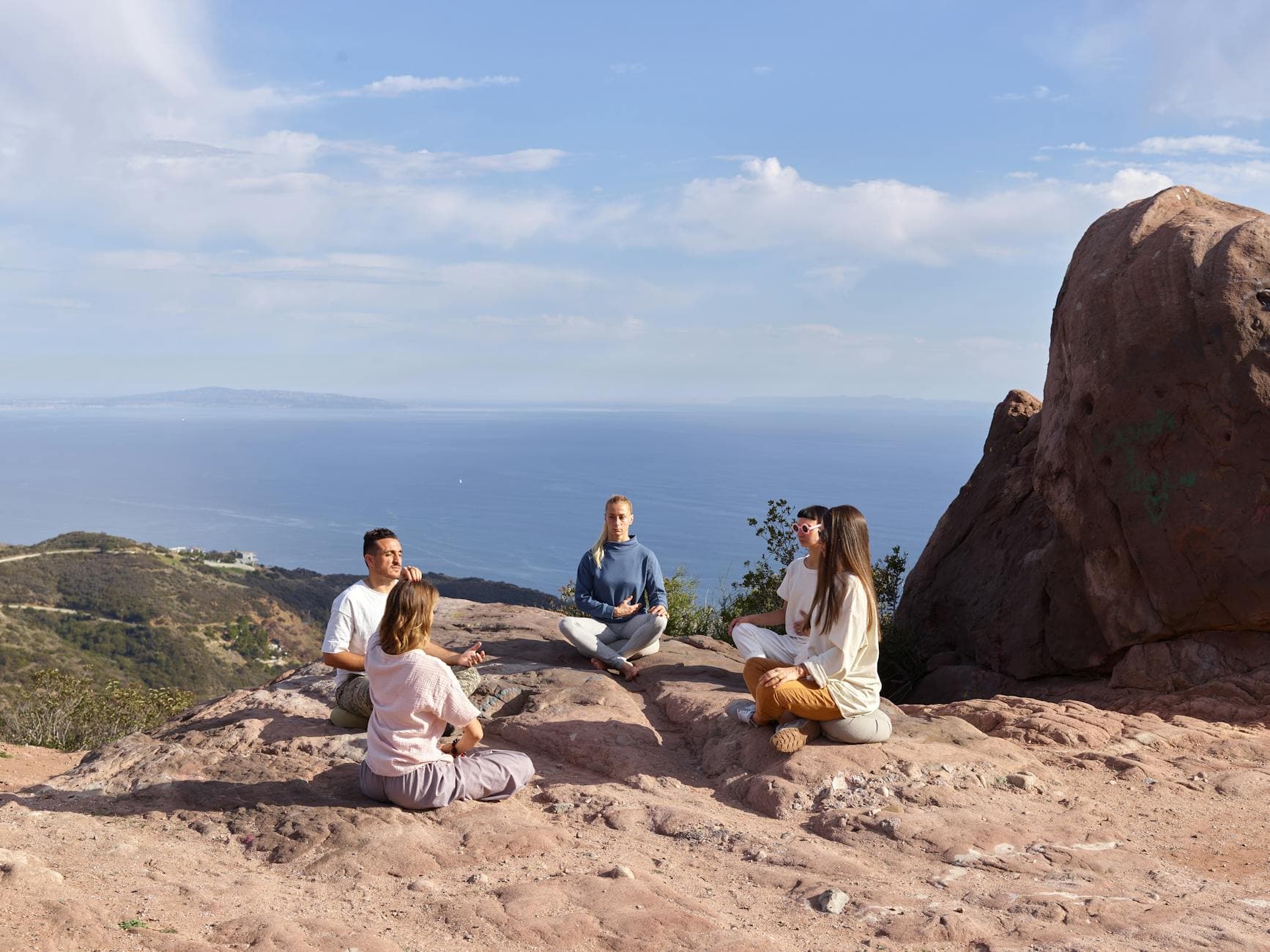
For campus wellness programs, that same structure can be turned into an easy recurring offering. For individual readers, the lesson is even simpler: mindfulness does not have to be sealed inside a cushion, an app, or a silent room. A bench, a patch of grass, a courtyard edge, or a familiar tree line can do the job if you keep returning to it.
The real value of the sit spot approach
The strongest argument for sit spot is not that it promises a dramatic transformation. It is that it solves a common problem in mindfulness practice: making the habit concrete enough to repeat. By pairing attention training with a real outdoor setting, the practice gives students a routine they can return to, and that repetition is where both wellbeing and nature connection have room to build.
That is why this study lands well beyond one classroom. It offers a small, practical model for campuses that need mental health support, environmental connection, and teaching methods students can actually live with.
Know something we missed? Have a correction or additional information?
Submit a Tip