Cedars-Sinai psychiatrist shows gardening as everyday mindfulness practice
A Cedars-Sinai psychiatrist turns gardening into a practical mindfulness reset, backed by trial data, movement-based practices and awe for anxious overload.
When your mind is racing, a plant can be a starting point
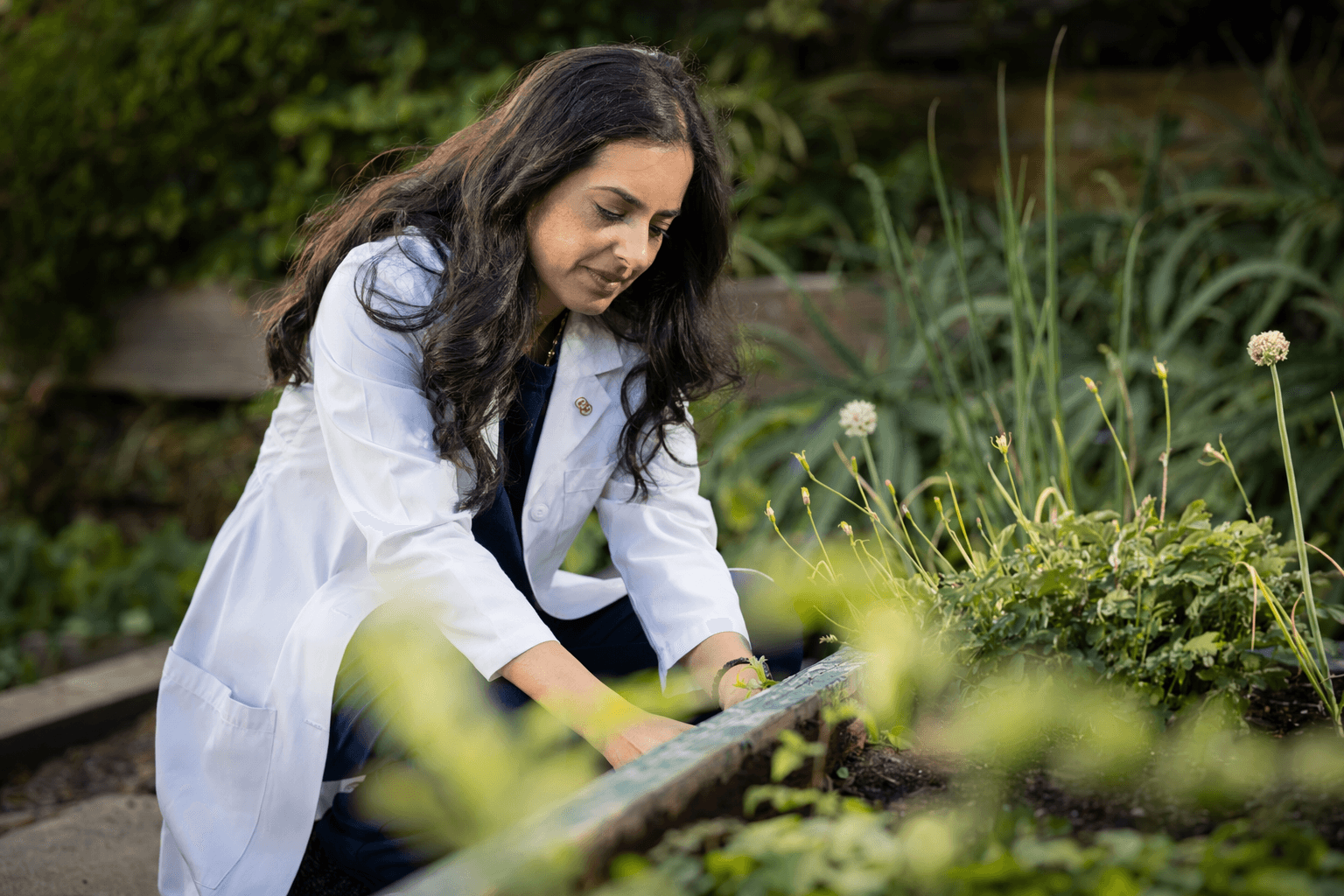
Rebecca Hedrick has turned her own workday into a live demonstration of mindfulness that does not depend on perfect stillness. In her Cedars-Sinai Medical Center office in Los Angeles, more than 60 succulents, shamrocks, four-o’clock flowers and other potted plants are thriving, and she tends at least 60 more at home. As director of Consultation Liaison Services in Psychiatry & Behavioral Neurosciences since May 31, 2020, and an associate professor since January 1, 2021, she is using that routine to make a simple point: mindfulness can look a lot more like gardening than like a silent session on a cushion.
That framing matters because it lowers the barrier for people who feel overwhelmed before they even begin. If formal meditation feels too static, too abstract or too easy to abandon, gardening offers a different entry point: attention on texture, color, movement and care. The practice is not about forcing the mind blank. It is about giving mental chatter something concrete to settle on, which is exactly why a potting tray or a watering can can feel more accessible than a stopwatch and a cross-legged posture.
Why gardening fits anxious minds that hate stillness
Gardening works as an everyday mindfulness practice because it asks for presence in small, repeatable actions. You notice what needs water, what has changed since yesterday, what is opening, what is drooping, and your attention is pulled into the moment through the senses instead of through worry. For people whose anxious overload shows up as restlessness, sensory overload or a constant need to keep moving, that kind of hands-on focus can be easier to sustain than seated breath awareness.
There is also a broader evidence base behind the idea that tending plants can support well-being. A 2024 umbrella review in BMC Public Health synthesized 40 studies and found an overall positive impact of gardening on well-being, quality of life and mental health outcomes, including depression and anxiety. That does not turn every houseplant into a treatment plan, but it does support the practical claim that gardening can do more than decorate a room. It can function as a real, low-friction way to come back to the present.
The structured path: eight weeks of mindfulness-based stress reduction
For readers who want something more formal than a backyard or balcony routine, mindfulness-based stress reduction remains one of the clearest structured options. A widely cited randomized clinical trial in JAMA Psychiatry, known as TAME, enrolled 276 adults with anxiety disorders and recruited participants between June 2018 and February 2020. The trial found that eight weeks of mindfulness-based stress reduction was noninferior to escitalopram for anxiety disorders, which places the practice in unusually strong company for people weighing a non-drug approach.
That comparison is part of why the story lands as more than a lifestyle feature. A 2024 secondary analysis published in JAMA Network Open reported patient-reported anxiety, depression and quality-of-life outcomes from the same trial, reinforcing the picture of mindfulness as a serious clinical option rather than a vague wellness promise. For people whose anxiety feels chronic, persistent or impairing, a defined eight-week program may be the most realistic way in, especially if the goal is not a quick mood boost but a measurable shift in how stress is handled over time.
What mindfulness is doing in the brain
The neuroscience language in this story is intentionally simple, and that simplicity is useful. Mindfulness may strengthen the connection between the prefrontal cortex, which supports planning and regulation, and the amygdala, which is involved in threat response. In plain terms, that means practice may help the brain respond differently to stress rather than just reacting faster to it.
That is an important distinction for anyone hoping meditation will produce instant calm. The better frame is gradual retraining. The mind may still register stress, but the response can become less automatic, less explosive and easier to work with. Gardening, breath awareness and seated meditation can all serve that same goal when they create repeated moments of attention and recovery.
Movement, music and awe widen the doorway
Cedars-Sinai also broadens meditation beyond sitting practice by naming movement-based activities such as tai chi, yoga, running and even playing music as mindful practices when they draw someone fully into the present. That flexibility matters because not every anxious person wants, or can tolerate, stillness at first. Some people regulate best through motion, rhythm and coordination, especially when the body itself feels keyed up.
The institution also says mindfulness, music, breath work and moments of awe may help reduce stress, build resilience and support emotional well-being. That combination gives readers several different ways to approach the same problem. Breath work can steady a tense moment. Music can hold attention when thoughts are scattered. Awe can interrupt a narrowed stress tunnel and create enough spaciousness for the nervous system to reset.
A practical way to choose your entry point
The clearest takeaway from Hedrick’s plant-filled routine is that mindfulness works best when it matches the shape of your overload. Instead of forcing one model of practice, choose the version that fits the day you are actually having.
- If your mind is noisy and your hands need something to do, try gardening or caring for a single plant.
- If you want a defined program with strong evidence behind it, look for an eight-week mindfulness-based stress reduction path.
- If stillness makes you more agitated, use movement, whether that is walking, running, yoga, tai chi or music.
- If stress feels relentless, add breath work or a moment of awe to break the loop.
The most useful part of Hedrick’s example is how ordinary it is. More than 60 plants in an office, at least 60 more at home, and a daily routine built around tending them show that mindfulness does not have to arrive as a polished performance. It can begin with one plant, one breath or one present-moment task, then repeat until the practice feels less like an obligation and more like a way back to yourself.
This article was produced by Prism’s automated news system from verified source data, official records, and press releases, then run through automated quality and moderation checks before publishing. The system is built and supervised by the people who set the standards it runs under. Read our full AI policy.
Did this article answer your question?