Study finds mindfulness and hope are distinct, complementary strengths
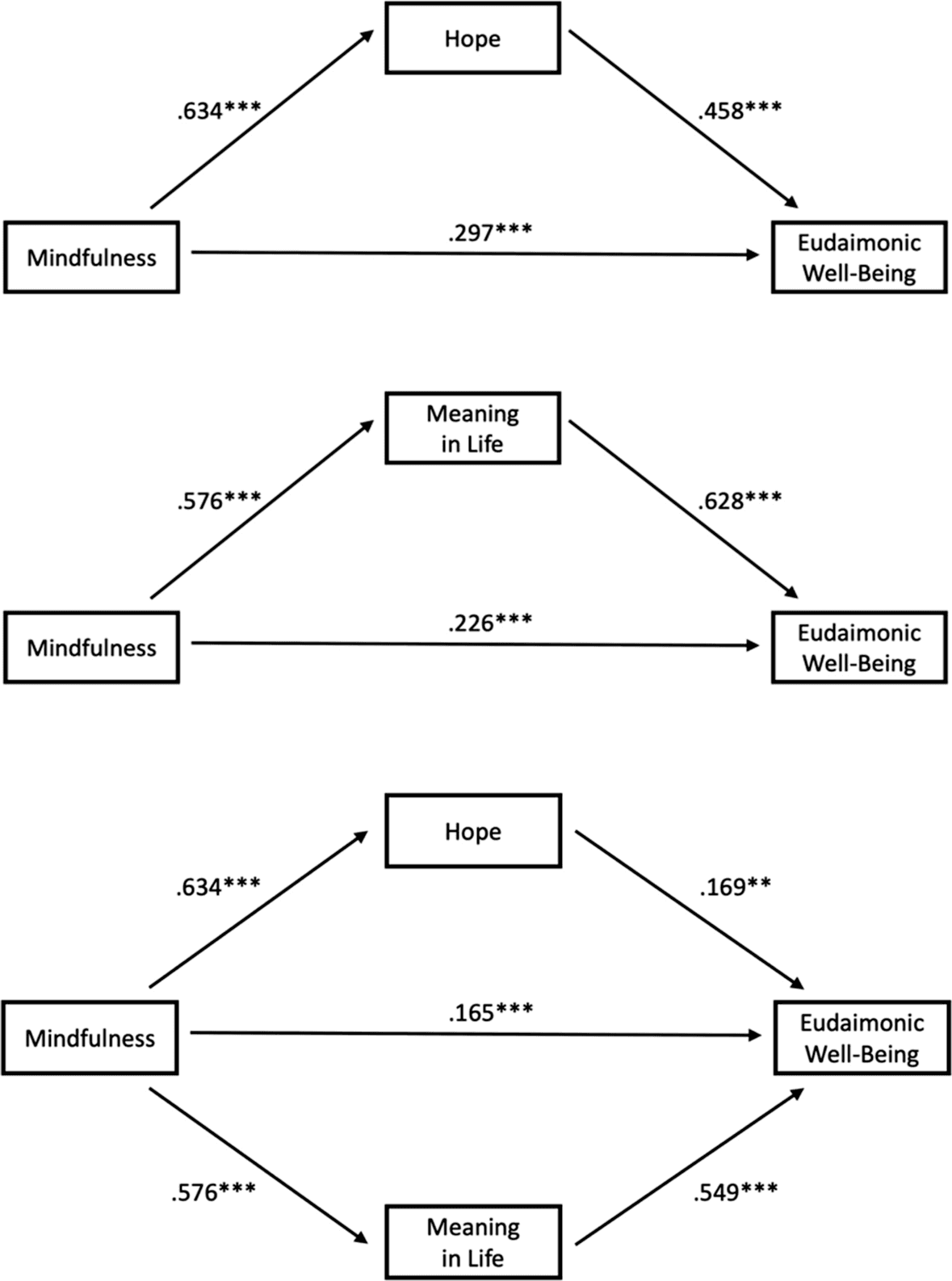
A Santa Clara University study found mindfulness and hope were nearly unrelated, even though both tracked with better well-being in 145 undergraduates.

Mindfulness and hope may both help people stay steady, but a Santa Clara University study found they are not the same mental move. In a survey of 145 undergraduates, the two strengths were each tied to better well-being, yet they were nearly unrelated to each other statistically.
The paper, published in Scientific Reports on April 1, 2026, was titled Mindfulness and hope: distinct yet complementary relationships with psychological well-being. It was written by David B. Feldman, Shauna L. Shapiro and Diane E. Dreher, three Santa Clara University scholars whose work spans hope, mindfulness and compassion.
The sample was a cross-sectional survey of students with a mean age of 18.83. It included 112 women, 32 men and one participant who did not report gender. Researchers measured depression, anxiety, stress, life satisfaction, sense of control and executive functioning, then compared those results with mindfulness and hope scores. The pattern was clear: mindfulness and hope each related independently to psychological well-being, but they were close to zero-correlated with one another.
That distinction matters in a wellness culture that often treats mindfulness like a catch-all answer. The study’s framing makes a sharper point. Mindfulness is present-moment awareness, while hope is the belief that you can set goals and find routes to reach them. One is not a substitute for the other. A person can be grounded in the breath, the body or a difficult moment without giving up future orientation, and a person can stay goal-driven without losing the capacity to notice what is happening right now.
The Santa Clara authors fit that divide neatly. Feldman is a professor of counseling psychology and one of the university’s leading hope researchers. Shapiro is a professor and internationally recognized expert in mindfulness and compassion. Dreher, a professor emerita, has long studied hope. Their paper suggests that resilience is stronger when those skills are allowed to do different jobs instead of being flattened into one vague idea of calm.
That practical split shows up in Santa Clara University’s own wellness resources. The school says brief mindfulness exercises can help students bring attention and presence to class while reducing the physiological effects of stress or anxiety. Its ECP Mindfulness Club offers guided meditation, breathing exercises, gentle yoga postures and group discussion.
The cleanest takeaway is also the most usable: when the nervous system needs settling, start with mindfulness. When the next step needs direction, bring in hope. The study’s message is not that one should replace the other, but that resilience gets more traction when present-moment steadiness and future-facing purpose work together.
This article was produced by Prism’s automated news system from verified source data, official records, and press releases, then run through automated quality and moderation checks before publishing. The system is built and supervised by the people who set the standards it runs under. Read our full AI policy.
Did this article answer your question?