Mindfulness-based support eases distress for couples facing pregnancy loss
This trial tests mindfulness where grief is shared: couples facing TOPFA. It asks whether partner-centered support can ease distress after one of the hardest pregnancy outcomes.
A couple-centered use case for mindfulness
The most striking thing about this study is not that it uses mindfulness, but where it uses it. This is mindfulness for couples facing termination of pregnancy for fetal abnormalities, or TOPFA, a setting shaped by grief, guilt, anxiety and relationship strain rather than ordinary day-to-day stress. By making the intervention dyadic, the researchers are treating the couple as the unit of care, which fits a loss that is usually shared, negotiated and carried together.
That shift matters. Parents in TOPFA are not just coping with an upsetting diagnosis, they are also making medical decisions, absorbing uncertainty and trying to stay connected to each other while the emotional ground keeps moving. A mindfulness-based couple-centered intervention tries to create enough steadiness for both partners to stay present with what is happening, rather than pulling apart under pressure.
How the trial is structured
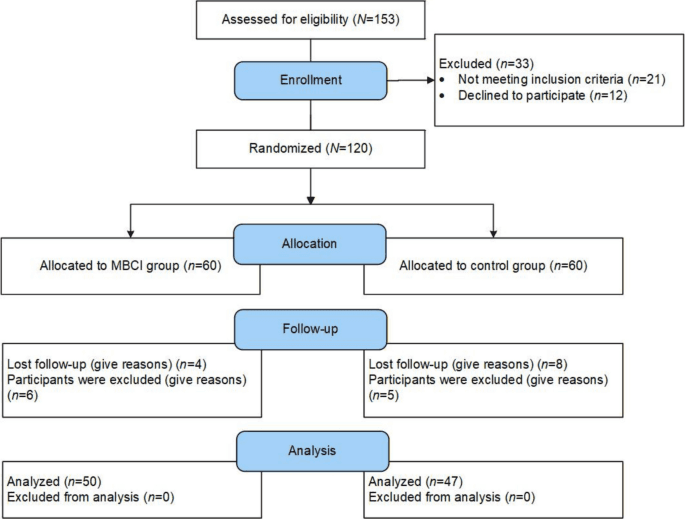
The protocol for the randomized controlled trial is built around 124 couples experiencing TOPFA. One group receives mindfulness-based couple-centered intervention plus routine psychological care, while the other receives routine psychological care alone. The study measures outcomes at baseline, immediately after the intervention and again 42 days postpartum, which gives the team a window into both short-term response and early aftercare.
The outcomes are practical and clinically familiar: anxiety, depression, mindfulness level and family support. That combination tells you exactly what the team is trying to capture. They are not only asking whether people feel calmer in the room, but whether the intervention helps partners support one another more effectively when the loss has already changed the shape of family life.
The protocol also adds weekly mindfulness exercise feedback forms and semi-structured interviews with intervention participants. That gives the study a second layer beyond symptom scores. Weekly feedback can show whether the practices are actually getting used in daily life, while the interviews can reveal how couples experience the intervention when the topic is this intimate and this painful.

Why the couple-centered design fits TOPFA
A couple-centered model makes particular sense in China, where physicians are required to explain TOPFA to both partners and provide medical advice on whether to terminate the pregnancy. That clinical structure already recognizes that the decision and its aftermath are shared. A mindfulness intervention built for one partner alone would miss part of the room.
The protocol also describes TOPFA as a significant global healthcare challenge, and notes that parents commonly face prolonged grief, feelings of inadequacy, persistent guilt and symptoms of PTSD. Those details help explain why a mindfulness program here is being framed as support, not self-care theater. It is meant to help people regulate distress and stay connected while navigating a form of bereavement that can arrive inside a medical setting and linger long after discharge.
What the wider evidence base looks like
The trial is entering a small and still developing field. A 2025 scoping review found only 12 articles that met its criteria on psychological interventions delivered antenatally after fetal abnormality diagnosis. Most of those interventions were hospital-based and individually delivered, and mindfulness was only one approach among several, alongside cognitive behavioural therapy, acceptance and commitment therapy and counselling.
That makes the current trial notable for more than its topic. It is part of a literature that is still narrow, and it pushes beyond the usual individual format toward a relational one. In other words, the study is not just asking whether mindfulness works. It is asking whether mindfulness can be adapted to a couple’s shared emotional reality in one of the most difficult clinical contexts imaginable.
Why support after TOPFA has been hard to standardize
An earlier support trial registered on ClinicalTrials.gov was withdrawn before anyone was enrolled, which is a reminder of how underdeveloped this space has been. That withdrawn study explicitly noted that the psychological consequences of TOPFA can be intensified by shame, guilt and social isolation, and that support after leaving hospital is often limited.
That gap is part of why standardized bereavement pathways matter. The National Bereavement Care Pathway now includes a dedicated TOPFA bereavement pathway, led by Sands in collaboration with bereaved families, other charities and Royal Colleges across the nations. The pathway is meant to improve care and reduce variability for families after pregnancy loss or baby death, which aligns closely with the logic of a couple-centered mindfulness intervention: both are trying to reduce the randomness of support at a moment when families need something dependable.
The larger clinical picture
The background to all of this is bigger than one trial site. Congenital anomalies and stillbirth remain major causes of newborn death and traumatic pregnancy outcomes worldwide, which is why TOPFA care sits at the intersection of obstetrics, bereavement care and mental health. The protocol’s emphasis on mindfulness, family support and follow-up is a response to that overlap.
For clinicians, the practical appeal is clear: this is a nonpharmacological option that can be integrated into reproductive health services without pretending that grief is a simple problem to solve. For mindfulness practitioners, it is a reminder that the method can be shaped for situations where grounding, communication and mutual support matter as much as quieting the mind.
The clearest takeaway is that TOPFA care works best when it stops treating distress as an individual burden and starts treating it as a couple’s lived experience. In that kind of setting, mindfulness is not a generic wellness add-on. It becomes a way for two people to stay present to the same loss, together, long enough to support each other through it.
This article was produced by Prism’s automated news system from verified source data, official records, and press releases, then run through automated quality and moderation checks before publishing. The system is built and supervised by the people who set the standards it runs under. Read our full AI policy.
Did this article answer your question?