AAP urges schools to protect recess for learning and health
Pediatricians said recess should be protected as part of the school day, warning that some children get 10 minutes or less while obesity and stress remain widespread.
The American Academy of Pediatrics urged schools to treat recess as a health and learning necessity, not a spare block to be trimmed when schedules tighten or discipline is needed. Its new policy statement, published May 11, 2026 in Pediatrics, marked the academy’s first major new recess guidance in 13 years and said students need regular breaks from concentrated instruction to stay efficient, focused and emotionally steady.
The statement, titled The Crucial Role of Recess in School, updated the academy’s 2013 position and was authored by Robert Murray, Catherine Ramstetter, Daniel Woolridge, Charlene Woodham Brickman and the AAP Council on School Health. It described recess as a temporary suspension of academic cognitive effort that helps maintain efficiency, concentration and morale, while also supporting stress management, prosocial development, the teaching-learning environment and children’s mental health. The academy said the need is not limited to elementary school, but applies to students of all ages.
Robert Murray said the academy has long supported free play, but that recess has been increasingly threatened by the push for higher test scores and by school practices that take away recess as punishment. He said it has a “very powerful benefit” when it is used well. The new policy said recess should never be withheld for academic or punitive reasons, especially since the students who struggle most with behavior or grades are often the ones who need breaks most.
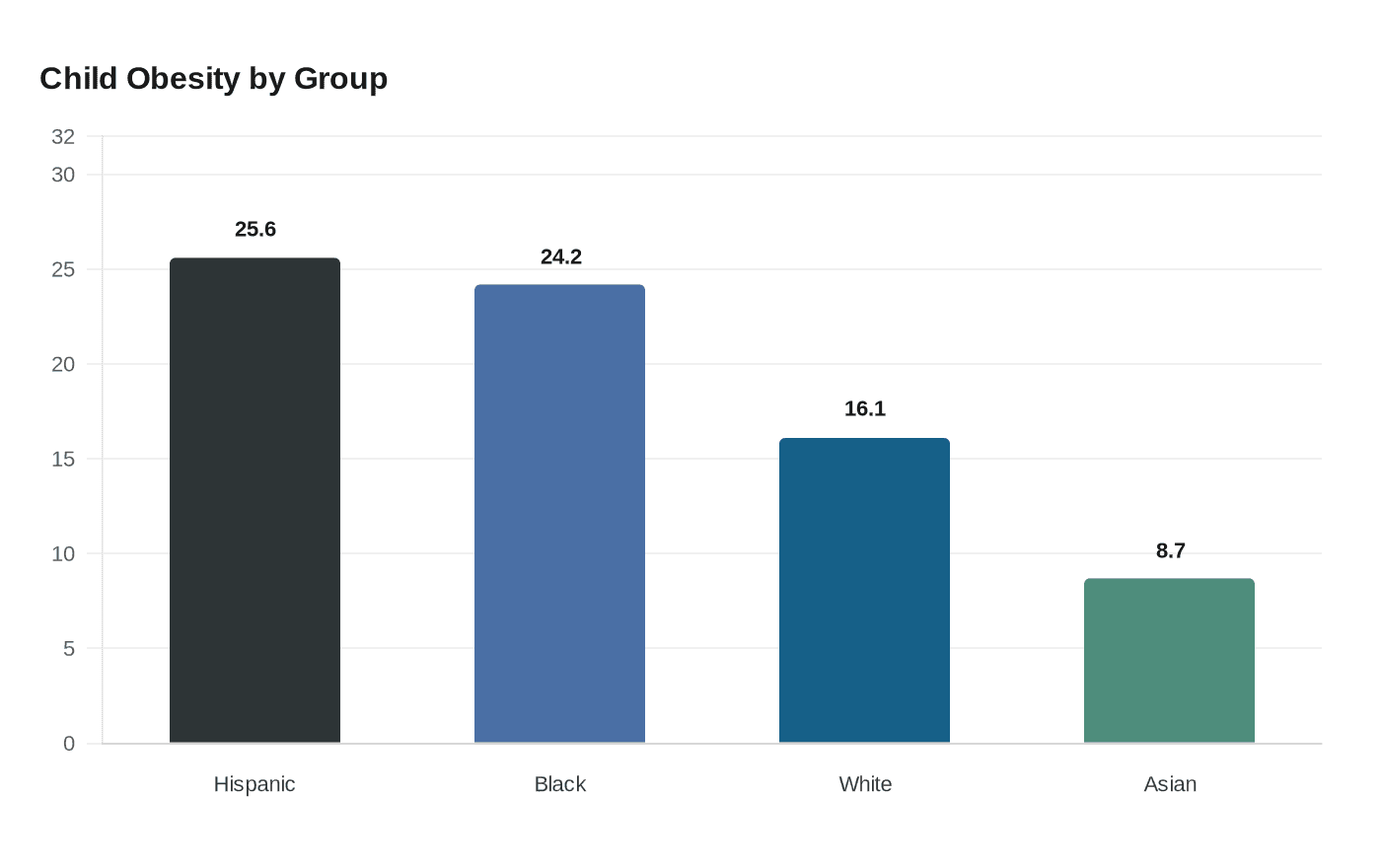
The public health case is just as strong. The Centers for Disease Control and Prevention says obesity affects nearly 1 in 5 young people ages 6 to 19 in the United States, with rates of 20.3% for ages 6 to 11 and 21.2% for ages 12 to 19 in 2017-2018. The CDC also reports higher obesity rates among children ages 2 to 19 who are Hispanic, 25.6%, and Black, 24.2%, compared with White children at 16.1% and Asian children at 8.7%, underscoring how school-based movement opportunities can affect equity.
Advocates have warned for years that recess has been squeezed out. The academy said some children in large urban schools may get 10 minutes or less because of scheduling pressures or punishment practices. Springboard to Active Schools has said recess is a low-cost way to get students moving and helps schools reach the recommended 60 minutes of daily physical activity. In Washington state, SB 5257 requires at least 30 minutes of daily recess for elementary school children and bars schools from withholding it as punishment, a measure backed by the King County Play Equity Coalition and more than 100 organizations. The academy also tied recess to Article 31 of the United Nations Convention on the Rights of the Child, which says every child has the right to rest, relax and play.
This article was produced by Prism’s automated news system from verified source data, official records, and press releases, then run through automated quality and moderation checks before publishing. The system is built and supervised by the people who set the standards it runs under. Read our full AI policy.
Did this article answer your question?