Phoenix woman says Instagram tattoo led to sepsis, two surgeries, hospitalization
A Phoenix woman says a $200 Instagram tattoo deposit ended with sepsis, two surgeries and a week in the hospital after the session was done in a shipping container.
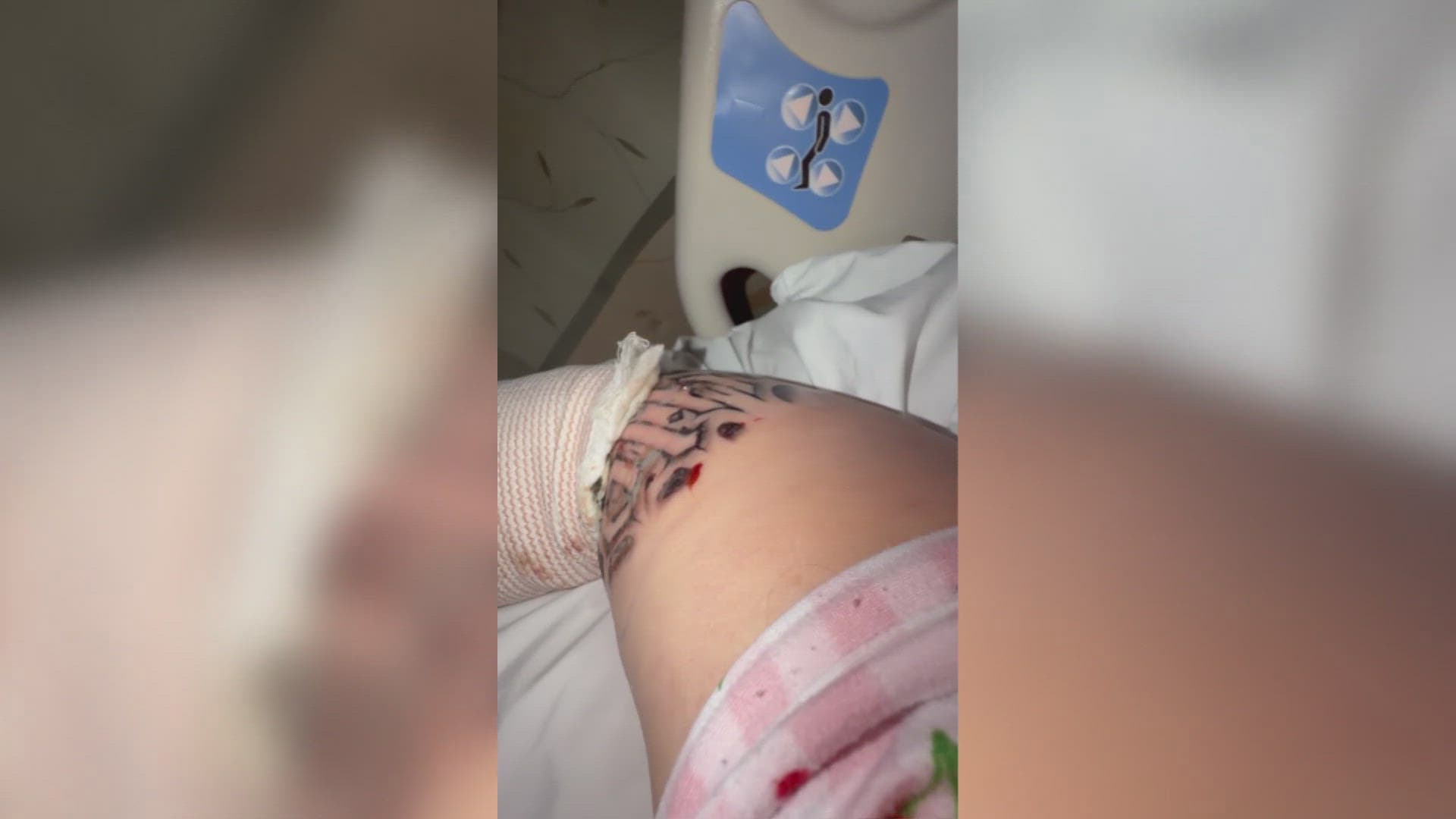
Stephanie Roberts says a tattoo she found through Instagram turned into a medical emergency that sent her to the hospital for a week and cost her two surgeries. The Phoenix woman said she chose an artist who goes by RubyGinks after seeing what looked like professional work online, and booked a Virgin Mary design that ran from her wrist to her elbow.
Roberts said she believed she was heading to a studio, not a makeshift workspace. After paying a $200 deposit and arriving for the appointment, she said she learned the artist was working out of a shipping container built by her father. She went ahead with the tattoo, a decision that now sits at the center of a broader question about how much protection consumers have when beauty and body-art services are arranged through social media rather than licensed storefronts.
Days later, Roberts said her arm became intensely red and felt like a burn. It blistered and swelled, and she later developed chills, fever and vomiting before admitting herself to the hospital. Doctors told her she had compartment syndrome, cellulitis and sepsis. Roberts said the swelling in her hand turned it purple and cut off circulation.
Dr. Frank Lovecchio, a Valley Wise Health emergency physician, said sepsis is the body’s overwhelming and potentially deadly response to infection. He also said compartment syndrome can threaten blood flow and nerves and may cause permanent damage if it is not treated quickly. In Roberts’ case, the infections followed a procedure that broke the skin and created a path for germs to enter.
Federal health officials have long warned that tattoos and permanent makeup can carry risks including infections and allergic reactions. The Centers for Disease Control and Prevention has documented tattoo-associated infections linked to contaminated ink and nonsterile water, and recommends that only sterile ink products and sterile water be used with proper hygienic practices. Even when a shop looks professional, experts say infection can still happen, but the danger rises when equipment is not properly sterilized or aftercare falls short.
The case points to a larger enforcement problem as tattooing and other beauty services increasingly move through informal online markets. Tattoo popularity continues to grow, with about 3 in 10 Americans having at least one tattoo, making questions of licensing, sanitation and workplace oversight more urgent for customers who may have little way to verify what is happening behind the post or the portfolio.
This article was produced by Prism’s automated news system from verified source data, official records, and press releases, then run through automated quality and moderation checks before publishing. The system is built and supervised by the people who set the standards it runs under. Read our full AI policy.
Did this article answer your question?