Aberfan survivor meets great-grandson of caretaker who saved him
A survivor pulled from Aberfan’s rubble met the caretaker’s great-grandson during a school visit, tying a 1966 catastrophe to the families still carrying its memory.
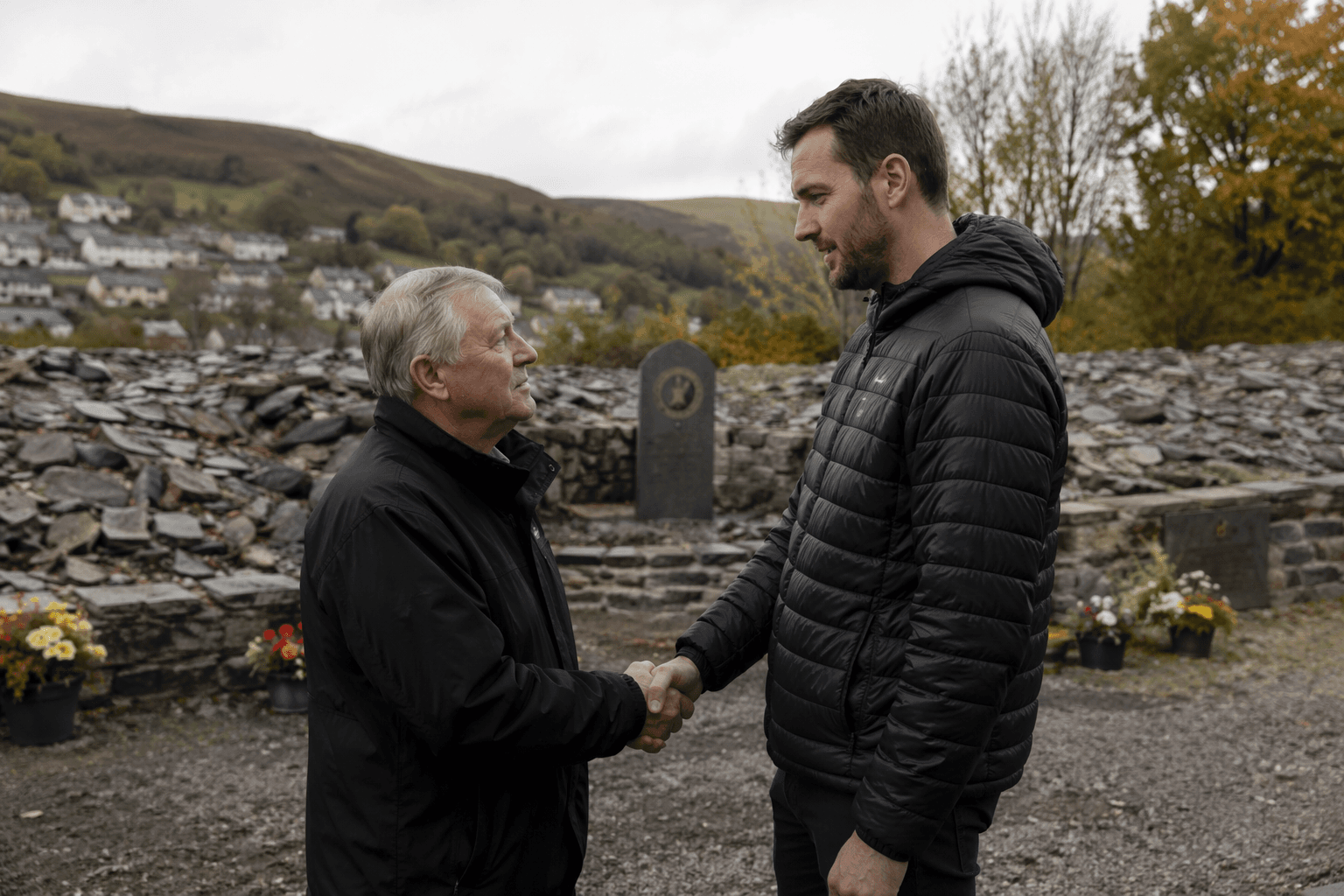
A survivor of the Aberfan disaster has met the great-grandson of the caretaker who dragged him from the rubble, a chance encounter during a school visit that showed how the village’s trauma still passes from one generation to the next.
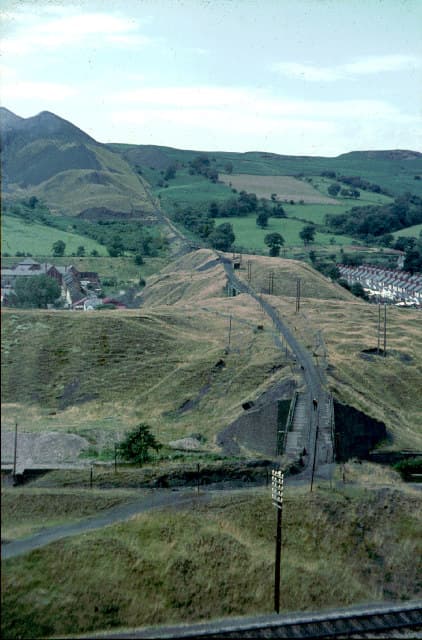
That meeting carries the force of the disaster itself. On 21 October 1966 at 9.13am, Tip No. 7 gave way above Aberfan and sent about 150,000 tonnes of coal waste down the mountainside. Pantglas Junior School and nearby houses were engulfed in minutes. More than 200 children and nine teachers were in the school that morning; 116 children and 28 adults died, 144 victims in all. It remains one of the worst industrial tragedies in British history.
Aberfan’s grief was never confined to that morning. The Aberfan Disaster Tribunal was set up within days and chaired by Lord Justice Edmund Davies, but the aftermath deepened the sense of betrayal in the village, where the disaster fund and the political response became part of the wound. The memory of the dead was fixed not only in official reports, but in the daily life of the community that refused to let the story fade.
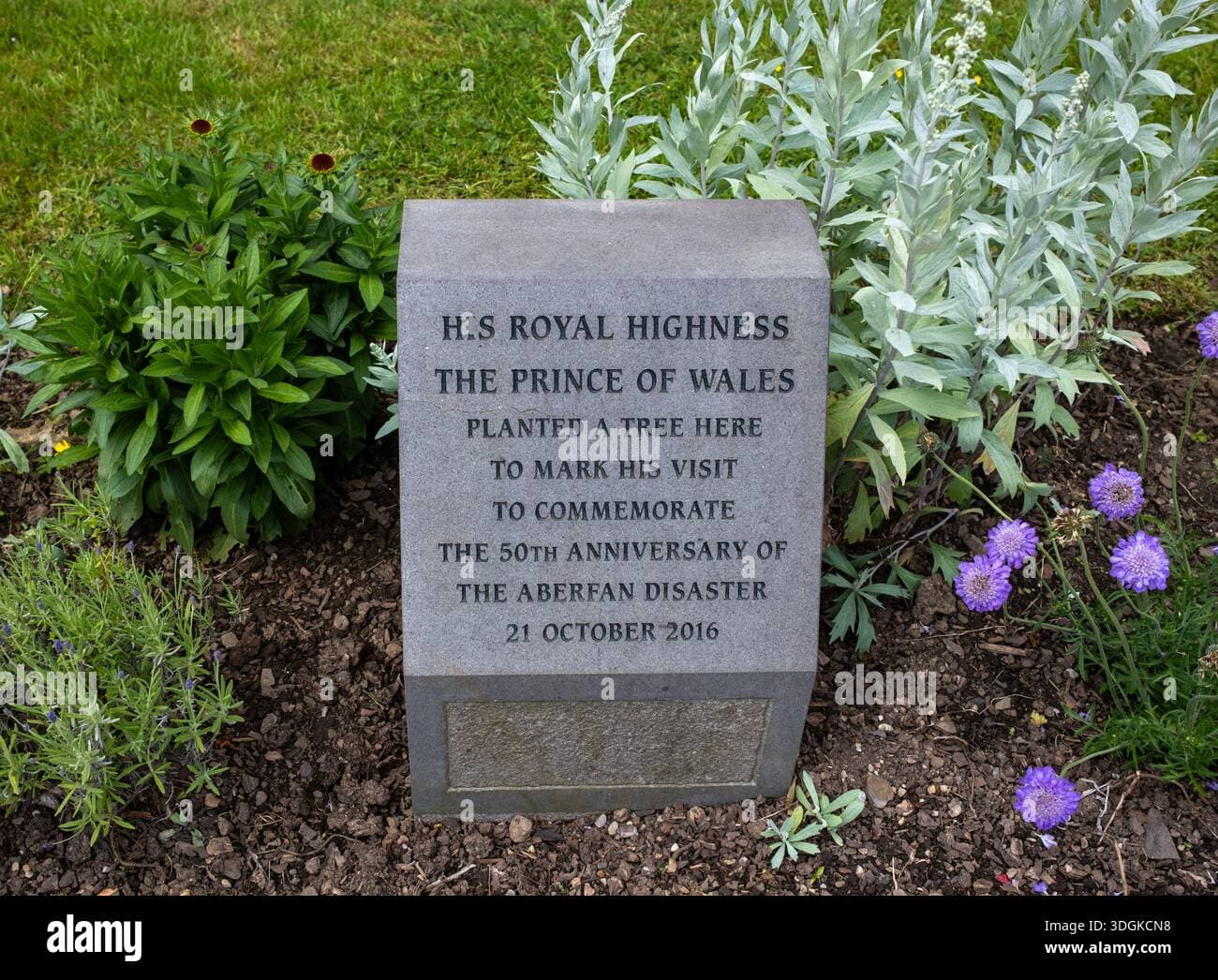
Today, the memorial garden stands on the site of the former school, and it remains one of the clearest symbols of how Aberfan remembers. In April 2023, the Prince and Princess of Wales were guided around the garden by David Davies, a survivor who was eight when he was seriously injured in the disaster. Queen Elizabeth II also visited Aberfan in 2012, when she opened Ynysowen Community Primary School during her Diamond Jubilee tour of Wales.
The village’s memory work has reached beyond ceremonies and royal visits. The Ynysowen Male Voice Choir was founded in 1968, in the aftermath of the disaster, part of the way local people turned loss into continuity. That is what made the meeting between the survivor and the caretaker’s great-grandson so striking: it was not just a reunion of two families, but a reminder that Aberfan’s history has been carried forward in schools, in public spaces and in the people who still tell it.
This article was produced by Prism’s automated news system from verified source data, official records, and press releases, then run through automated quality and moderation checks before publishing. The system is built and supervised by the people who set the standards it runs under. Read our full AI policy.
Know something we missed? Have a correction or additional information?
Submit a Tip