ACC Unanimously Approves Springerville, Coronado Coal Unit Conversions to Natural Gas
The ACC voted unanimously to allow conversions at Springerville and Coronado, keeping 1,500 MW and 821 MW of generation online and aiming to preserve jobs in southern Apache County.
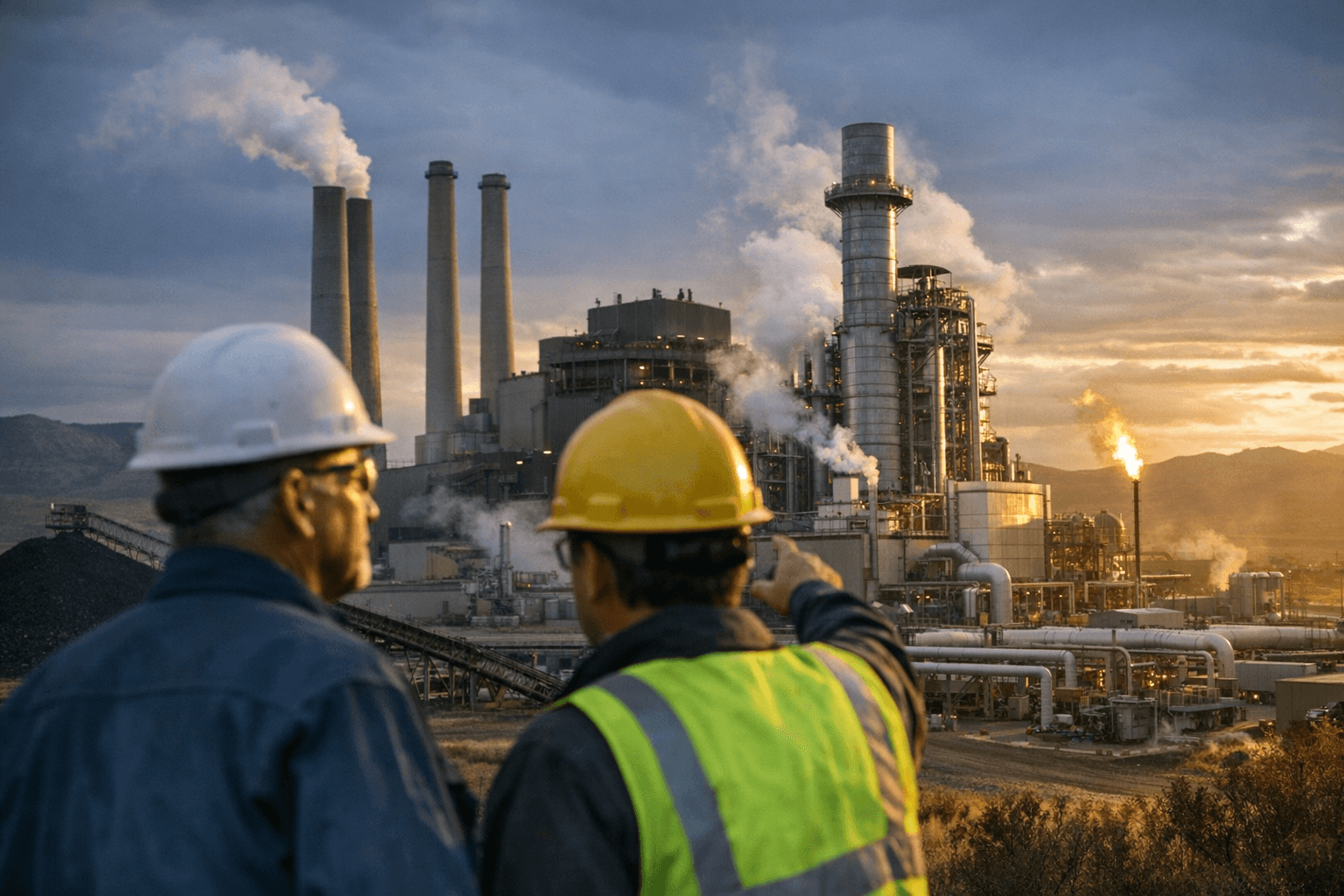
The Arizona Corporation Commission’s unanimous decision to approve conversions of coal-fired units at the Springerville Generating Station and the Coronado Generating Station will keep major power sources online in Apache County and support local jobs and grid reliability. The Springerville facility totals 1,500 megawatts and Coronado 821 megawatts, and regulators signed off on utility plans that officials say will extend plant lifetimes rather than force retirements under recent federal rules.
At Springerville near the Arizona-New Mexico border, Tucson Electric Power owns Units 1 and 2 and sought permission to convert those two coal boilers to burn natural gas. Springerville also houses Unit 3, operated by Tri-State Generation and Transmission Association, which plans to retire Unit 3 in 2031 and replace that capacity with renewable energy and battery storage, and Unit 4, owned by Salt River Project, which SRP intends to convert to gas. TEP previously scheduled retirements for Units 1 and 2 in 2027 and 2032, and TEP projects a natural gas pipeline will be in place by 2029 to enable gas firing by 2030.

TEP provided two differing cost figures in regulatory materials and public statements: the utility’s application lists about $170 million for converting Units 1 and 2, while TEP’s public remarks in the ACC meeting referenced roughly $200 million. TEP has also said the transformation will cut carbon emissions by 40 percent. A filing included the fragment, "The utility said about $450 million in upgrades would have been needed to ..." with the remainder of the sentence truncated in available materials.
At Coronado near St. Johns, SRP is seeking to convert its two coal-fired units by 2029 as part of a broader 20-year plan with an estimated $1.1 billion investment. SRP has argued that conversion would be about $300 million cheaper than building a new natural gas plant and far less expensive than a full lithium-ion battery replacement, which SRP estimated at roughly $2.3 billion. SRP says Coronado accounts for about 10 percent of its peak demand and produces enough electricity to power more than 150,000 homes.
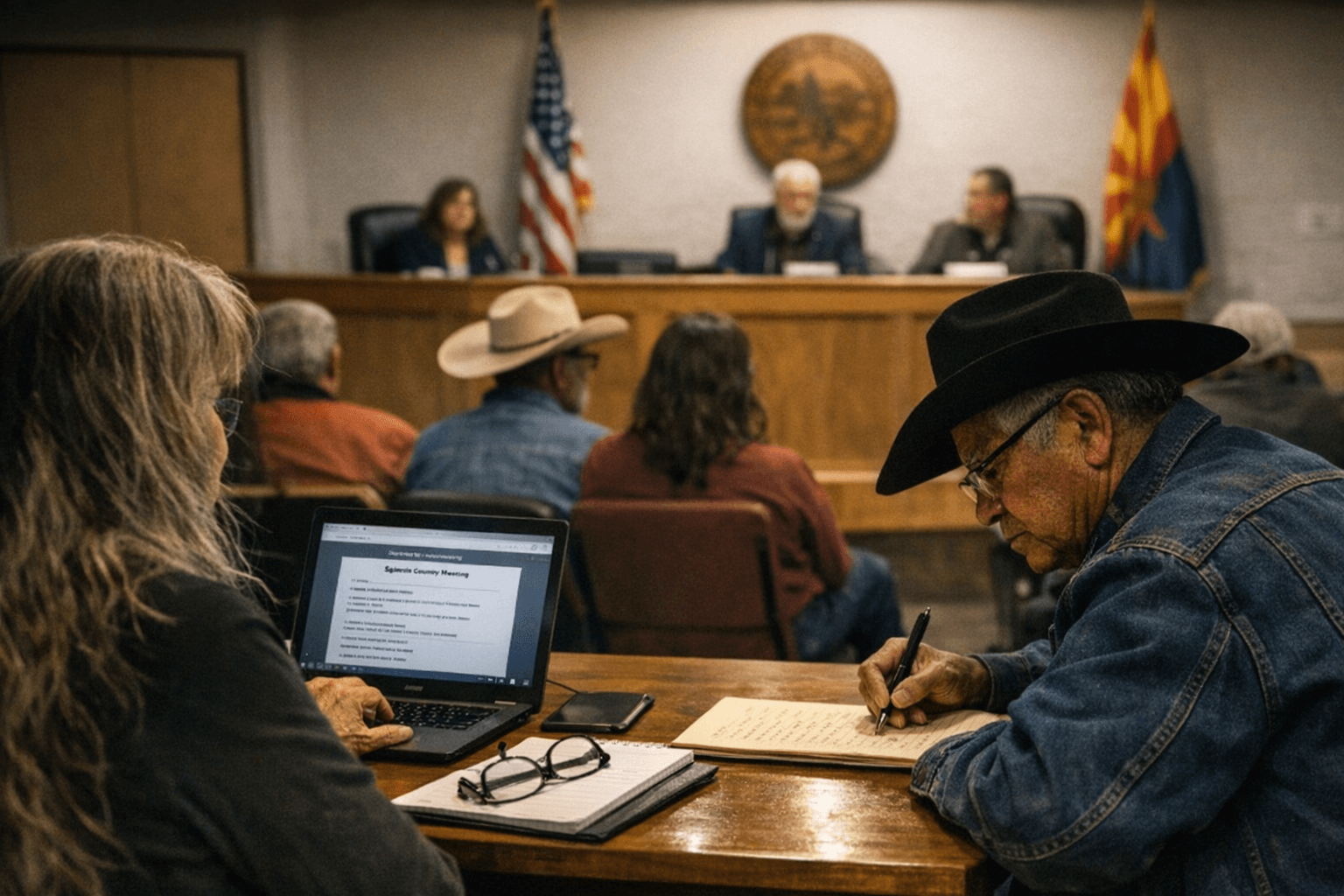
ACC Commissioner Kevin Thompson framed the decisions in community terms: "These plants are cornerstones of their local communities, and once converted to natural gas, will become a key pillar of long-term grid reliability versus being seasonally operated generating stations." Commissioners emphasized that approvals aim to avoid seasonal operation, preserve steady generation and protect the workforce in southern Apache County.
Regulatory and logistical hurdles remain: the commission’s approval establishes the regulatory path, but pipeline permitting, final project filings and precise cost recovery terms must be settled before construction. Tri-State’s separate plan to retire Unit 3 in 2031 shifts part of Springerville’s long-term resource mix toward renewables and storage, while SRP’s June 2025 internal sign-off set the Coronado timeline in motion. With ACC sign-off, utilities and county officials now move toward permitting, pipeline construction and the detailed project schedules that will determine whether conversions are completed by late 2029 for Coronado and by early 2030 for Springerville units.
Know something we missed? Have a correction or additional information?
Submit a Tip