Administration tells immigration officers to weigh pro-Palestinian protests negatively
Immigration officers were told to treat pro-Palestinian protests and criticism of Israel as “overwhelmingly negative” factors in immigration cases.
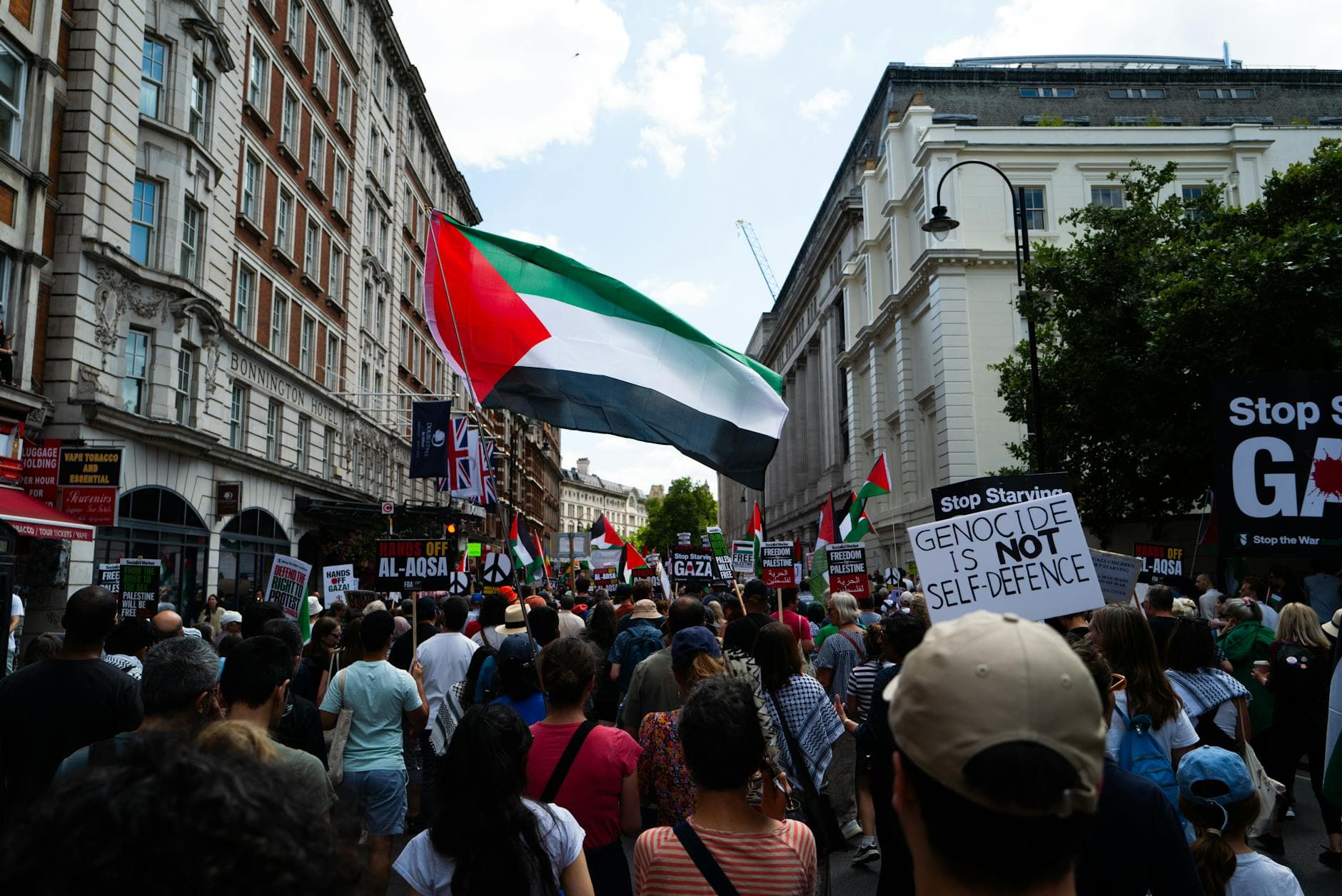
The administration told immigration officers to treat participation in pro-Palestinian protests and criticism of Israel as “overwhelmingly negative” factors in immigration adjudication, pushing political speech into decisions that can determine whether a person remains in the United States.
That shift matters because it does not target only people accused of violence or other misconduct. It turns lawful protest, the sort of activity that ordinarily sits at the center of public debate, into something that can weigh against an applicant in a system built on discretion. When an officer is instructed to see a form of speech as a negative factor, the effect can ripple through visa cases, green-card applications and other immigration decisions even when there is no arrest, conviction or allegation of wrongdoing.
The reach of the guidance extends beyond the small number of applicants who may face an interview in the coming days. Students who joined campus demonstrations, workers who spoke out at rallies and other noncitizens who criticized Israeli policy can all be pulled into the same risk calculation. That is what makes the policy a civil-liberties test case: it invites officers to treat dissent itself as relevant evidence, and it leaves immigrants guessing which forms of lawful expression might later be used against them.
The broader consequence is a chilling effect that can spread well past immigration offices. People who are not citizens may decide to skip a march, mute a social media post or avoid political conversation altogether if they believe criticism of Israel or support for Palestinian rights could complicate their future in the country. In that sense, the policy does more than alter an internal rulebook. It signals that speech about Israel and Palestine can carry real immigration costs, and that the line between protest and penalty has become much thinner.
This article was produced by Prism’s automated news system from verified source data, official records, and press releases, then run through automated quality and moderation checks before publishing. The system is built and supervised by the people who set the standards it runs under. Read our full AI policy.
Did this article answer your question?

