Adobe approves $25 billion buyback to reassure investors amid AI pressure
Adobe approved a $25 billion buyback through 2030 as its stock slid about 30% this year, betting cash returns can calm AI-era doubts.
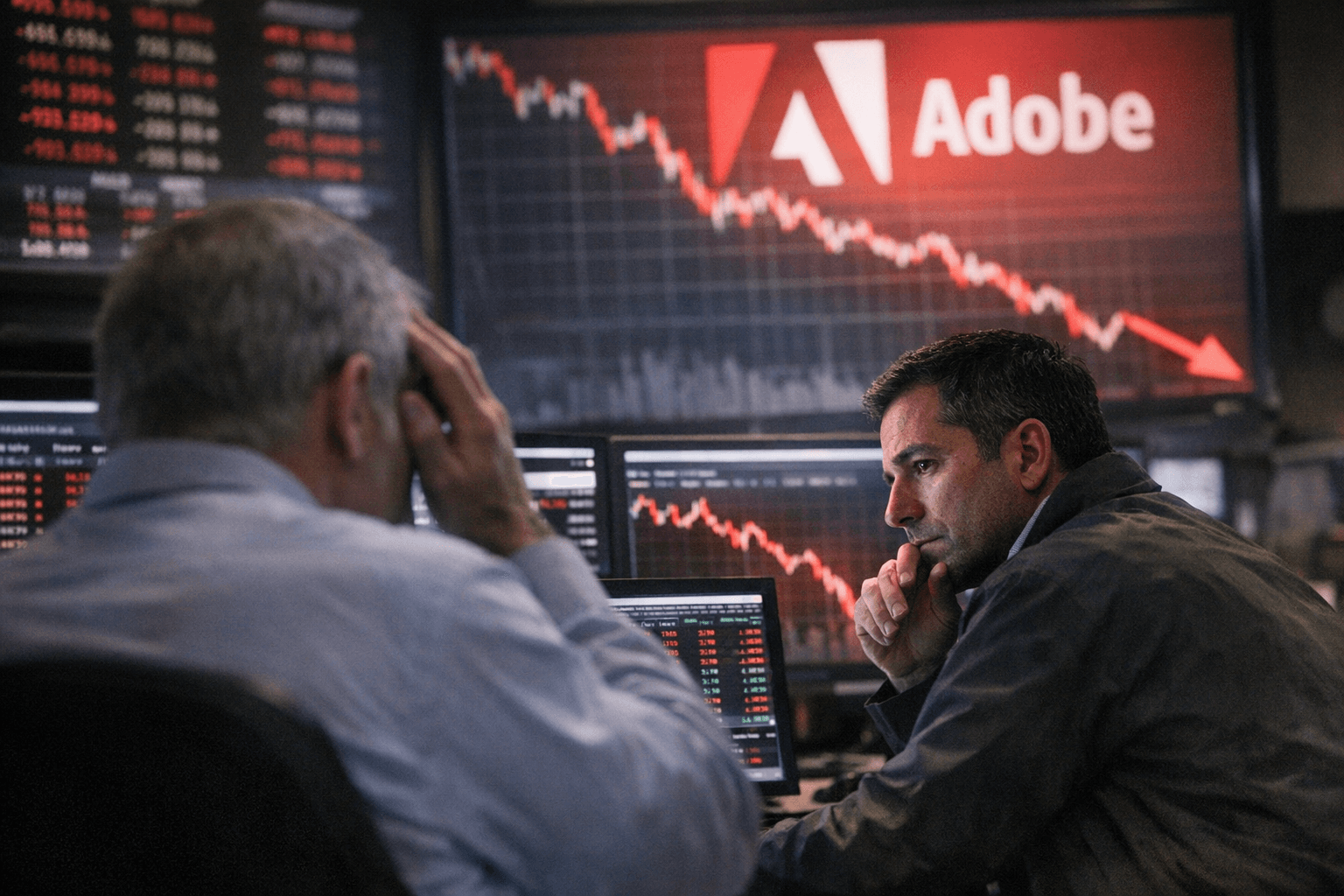
Adobe’s board approved a new stock repurchase authorization of up to $25 billion through April 30, 2030, a move meant to blunt investor anxiety at a moment when AI tools are reshaping creative and marketing software faster than many companies can adapt. The program is designed to reduce dilution from stock issuances and lower share count over time, and Adobe said it may buy shares in the open market or through structured repurchase agreements with third parties.
The market’s first reaction was cautious but positive. Adobe shares rose about 2% in extended trading after the announcement, even though the stock had already fallen roughly 30% this year as investors questioned whether generative and agentic AI systems could erode demand for Adobe’s long-established products. Dan Durn, Adobe’s chief financial officer, framed the repurchase plan as a direct expression of confidence in the company’s robust cash flow and long-term value.
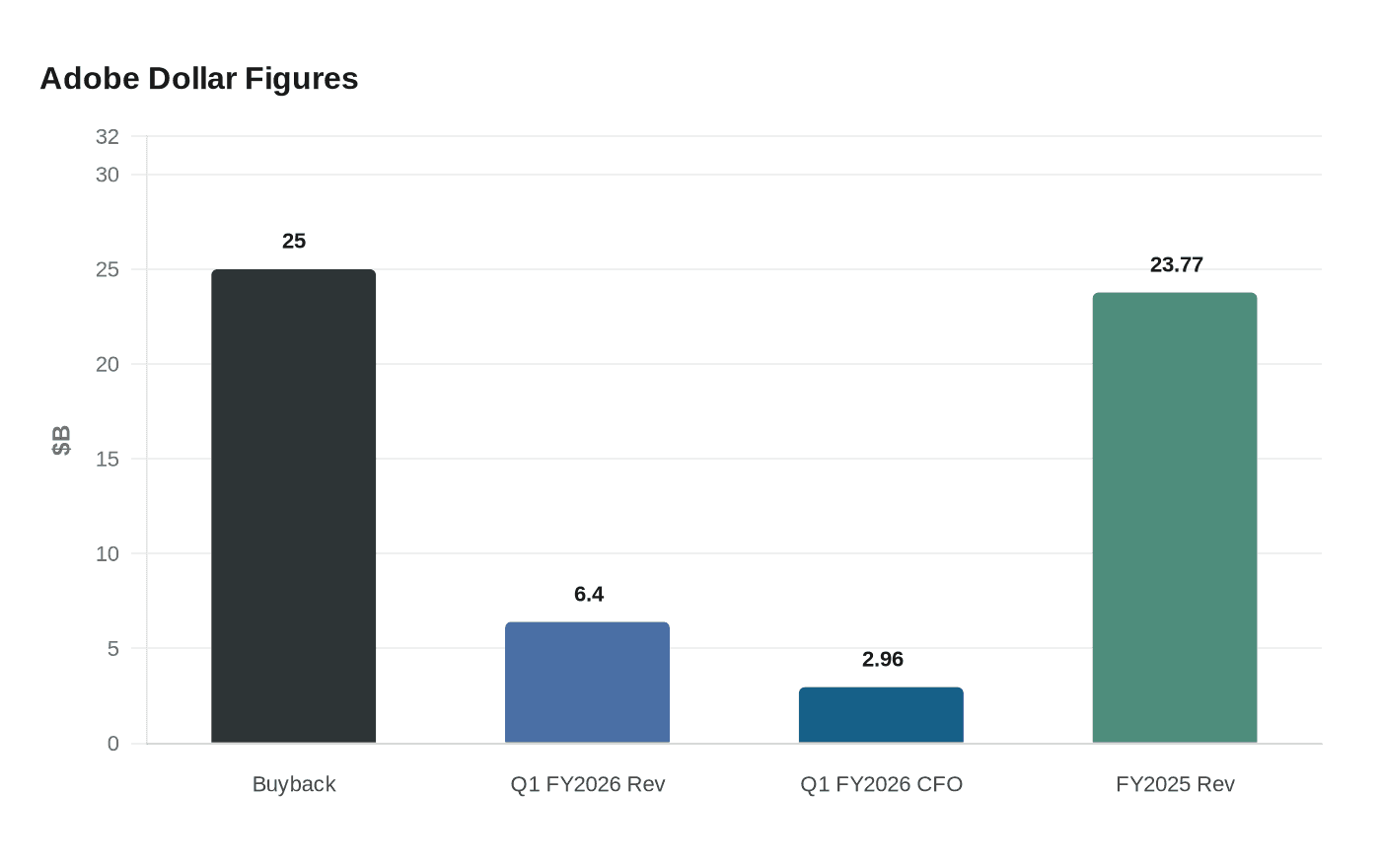
That confidence rests on numbers Adobe has been emphasizing in recent earnings reports. In the first quarter of fiscal 2026, the company reported record revenue of $6.40 billion and operating cash flow of $2.96 billion. Adobe also said AI-first annual recurring revenue more than tripled year over year, a key sign that the company is trying to turn its own AI push into measurable business momentum. In fiscal 2025, Adobe posted record revenue of $23.77 billion and non-GAAP earnings per share of $20.94, while repurchasing about 7.2 million shares in the fourth quarter alone.
The company is pairing the buyback with a broader AI pitch. At Adobe Summit in Las Vegas on April 21, 2026, Adobe introduced Adobe CX Enterprise, which it described as an end-to-end agentic AI system for customer experience orchestration. That launch followed a new suite of AI products aimed at automating and personalizing digital marketing functions, underscoring Adobe’s effort to become more deeply embedded in AI workflows rather than displaced by them.
Still, the competitive backdrop is tightening. Anthropic’s recent design-oriented product added to fears that creative software is being redefined by AI copilots and autonomous tools. Adobe is also managing a leadership transition after longtime chief executive Shantanu Narayen decided to exit the role in March, a shift that has raised the stakes for proving that the company can convert AI adoption into durable growth. The buyback gives Adobe another lever to support its valuation, but investors will keep watching whether cash returned to shareholders is matched by enough innovation to defend the core business.
This article was produced by Prism’s automated news system from verified source data, official records, and press releases, then run through automated quality and moderation checks before publishing. The system is built and supervised by the people who set the standards it runs under. Read our full AI policy.
Did this article answer your question?

