Trump extends Iran ceasefire, keeps Hormuz blockade amid stalled talks
Oil rose as Trump stretched the Iran ceasefire but kept the Hormuz blockade in place, keeping fuel and inflation risks alive.

Uncertainty over U.S.-Iran talks jolted oil markets before any diplomatic breakthrough or collapse, with traders bracing for higher gasoline costs if the Strait of Hormuz stays effectively shut. The market reaction showed how quickly ceasefire signals can ripple from Washington into household budgets.
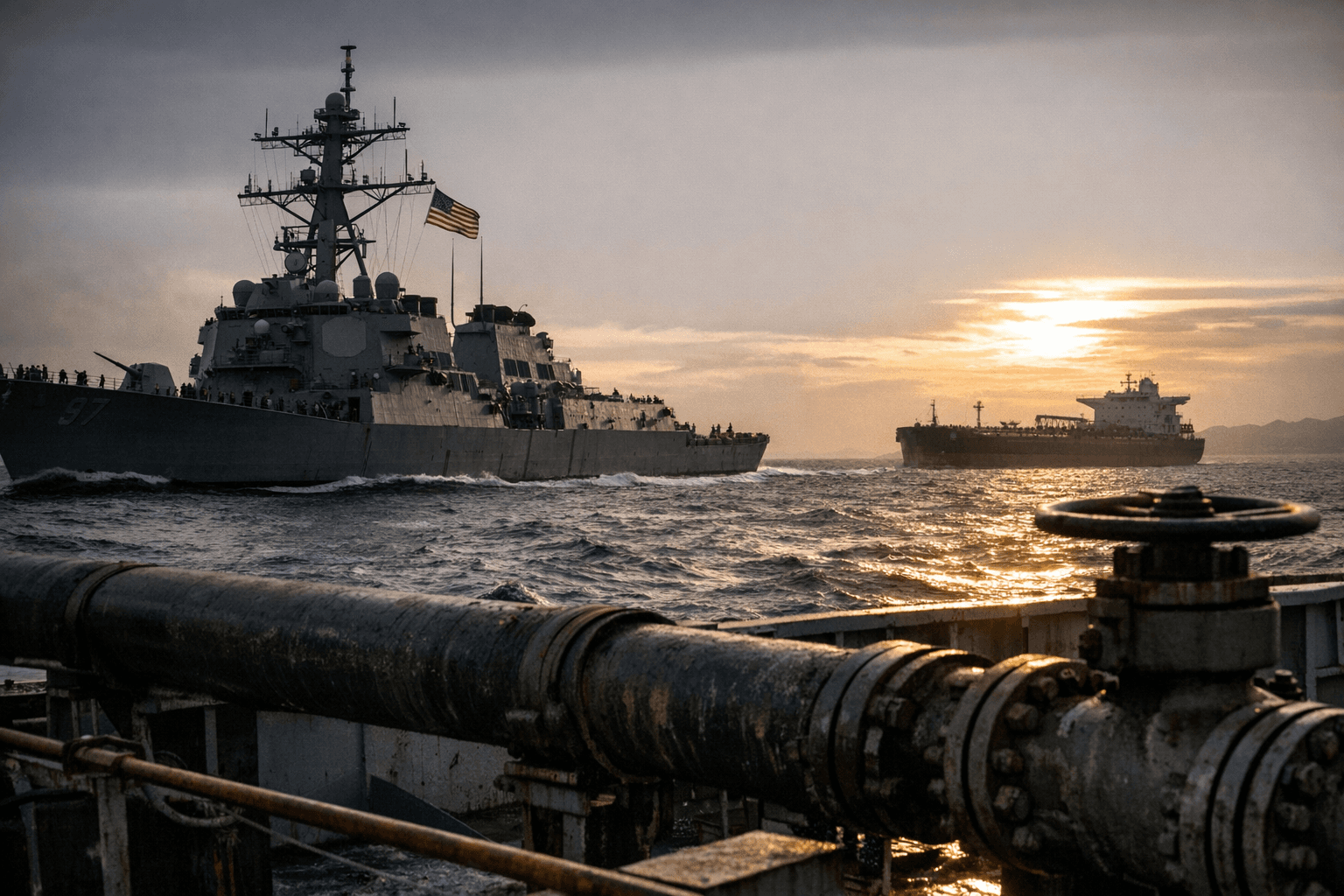
Donald Trump said on April 21 that the United States would extend its ceasefire with Iran rather than let it expire on Wednesday, April 23, after Pakistan asked him to hold off and wait for a “unified proposal” from Iranian leaders and representatives. He also said the U.S. would keep its naval blockade of the Strait of Hormuz in place until talks were submitted and concluded, even as he suggested Iran’s government was “seriously fractured.”
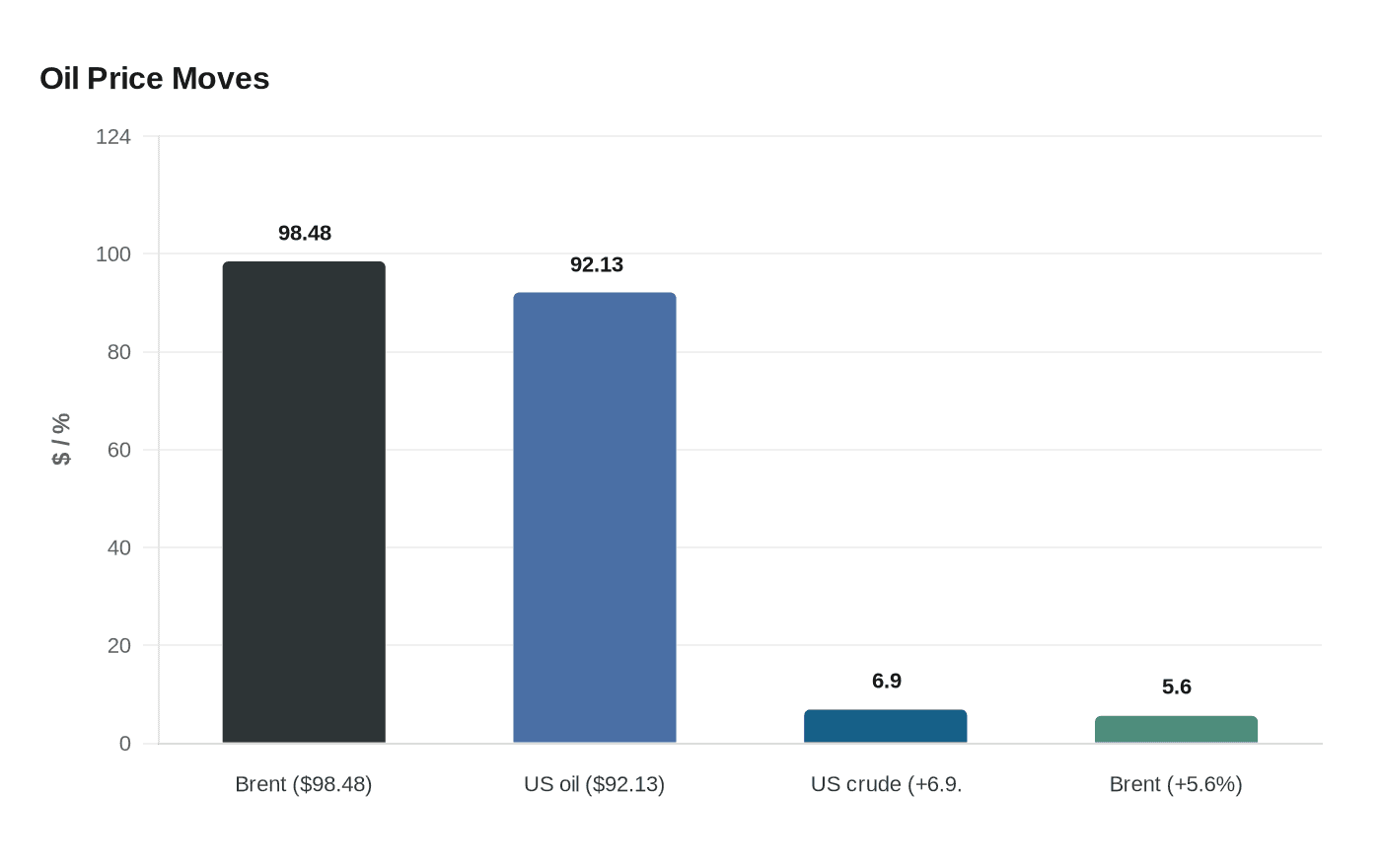
The shift came after Trump had earlier said he did not want to extend the truce and expected the U.S. to resume bombing if negotiations failed. By Tuesday, oil traders had pushed Brent crude futures to $98.48 a barrel and U.S. oil to $92.13, a sharp reminder that diplomatic ambiguity matters to energy prices long before any formal deal is signed or abandoned.
The strait is one of the world’s most important energy arteries, carrying roughly 20% of global oil. That makes even a partial threat to shipping there a market-moving event, especially when it follows the U.S. seizure of an Iranian cargo ship over the weekend, which Reuters reported helped trigger the latest spike. Earlier that session, U.S. crude had risen 6.9% to $89.61 a barrel and Brent had climbed 5.6% to $95.48 as investors priced in the risk that the ceasefire would not hold.
Pakistan has been trying to keep talks alive. Shehbaz Sharif and Field Marshal Asim Munir asked Trump to hold off on new strikes, according to reporting cited by TIME, and Islamabad was expected to host the next round of discussions. But the path forward remained clouded by mixed signals. Iranian Foreign Ministry spokesperson Esmail Baghaei said no final decision had been made on attending talks because of “contradictory messages” from Washington, while parliament speaker Mohammad Bagher Ghalibaf said Tehran would not accept negotiations “under the shadow of threats.”
The stall in diplomacy has left traders focused on one question: whether the Strait of Hormuz remains open enough to move oil freely. As long as the answer is unclear, crude prices are likely to stay elevated, and the pressure can flow quickly into fuel costs, shipping rates and broader inflation.
Know something we missed? Have a correction or additional information?
Submit a Tip