Redwood Materials restructures teams as energy storage business surges
Redwood Materials is reshuffling teams as its storage unit becomes its fastest-growing business, capped by a 10-megawatt-hour Rivian battery project in Illinois.
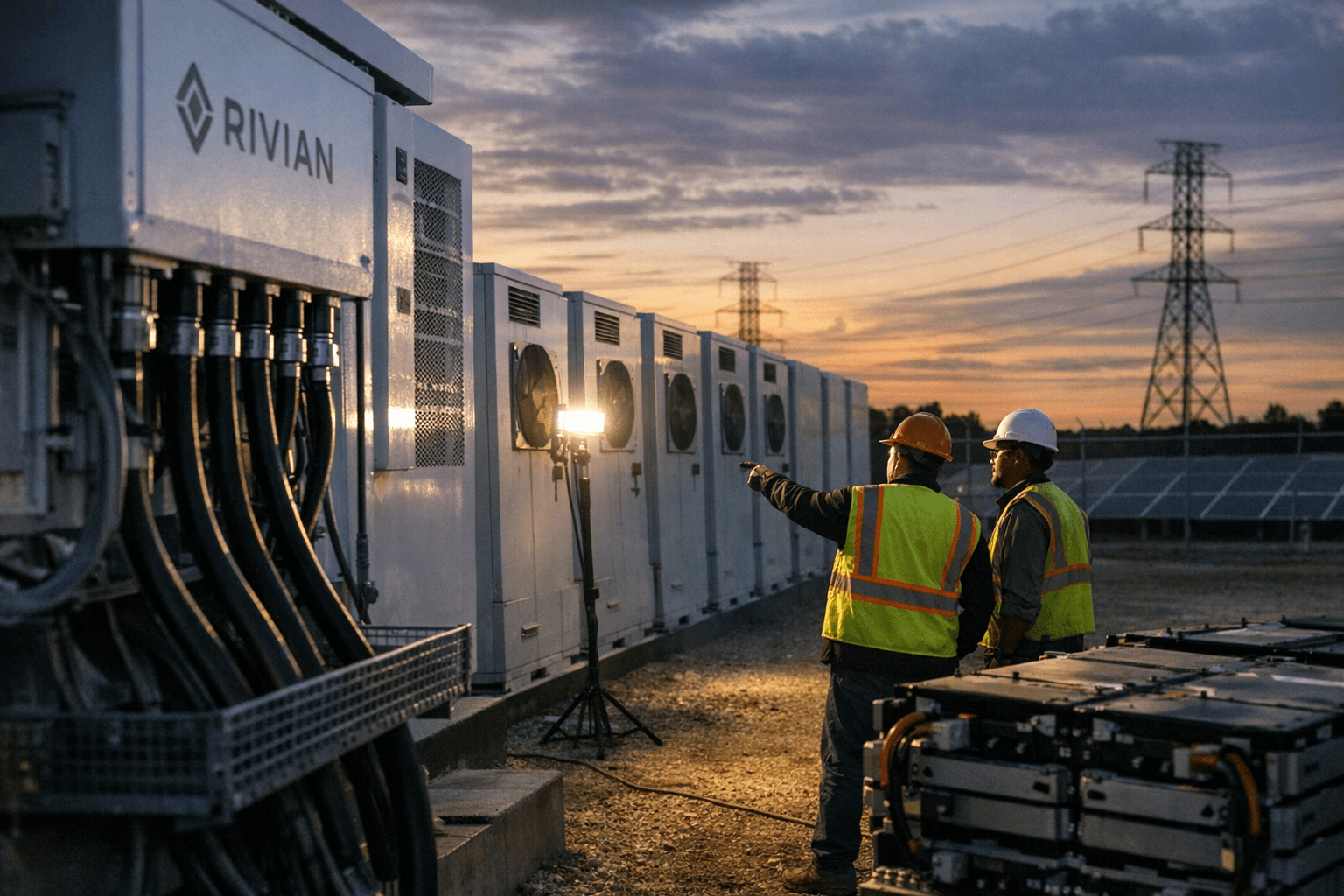
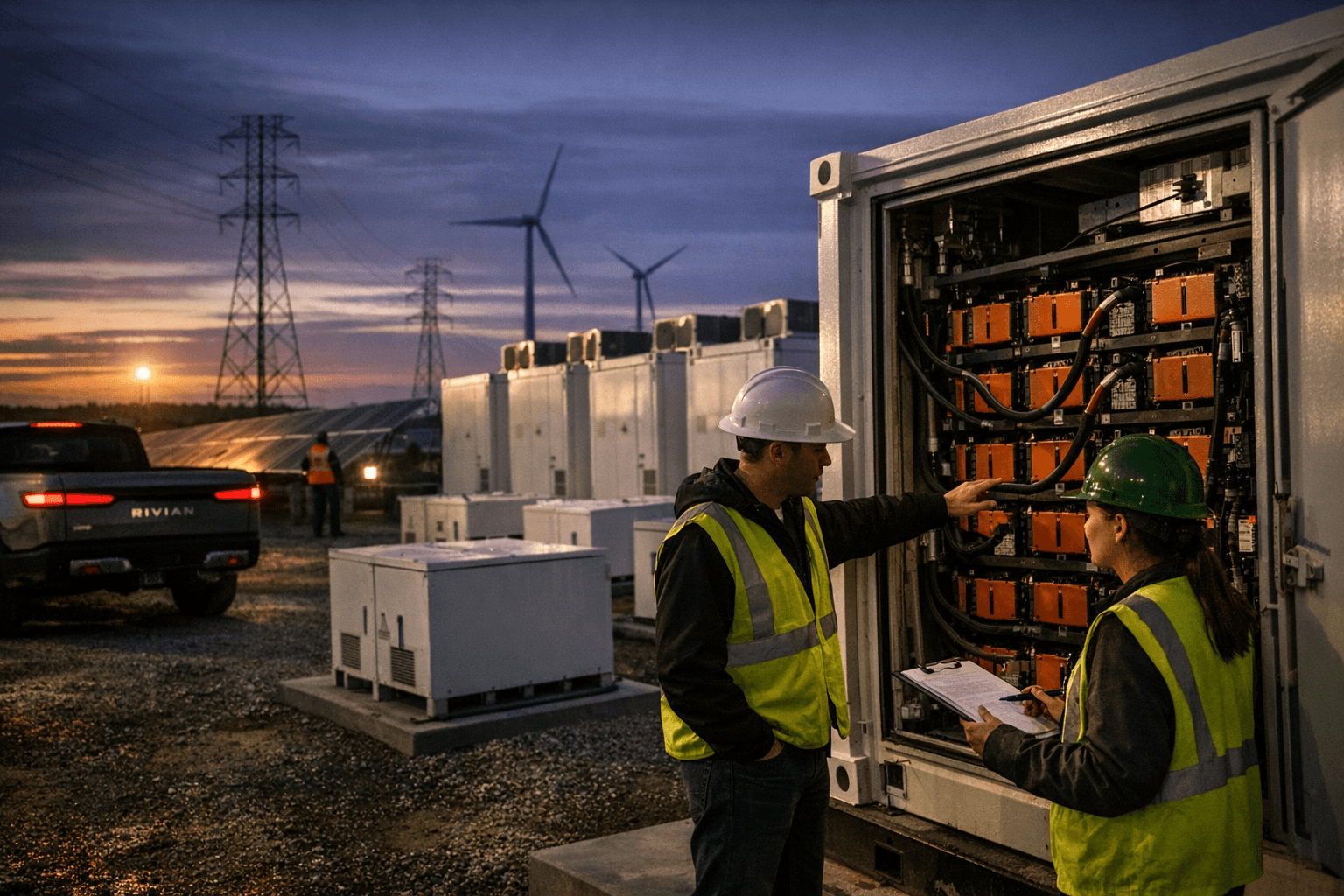
Redwood Materials is restructuring some teams as its energy-storage business surges, a sign that the battery company is leaning harder into grid infrastructure and away from a strategy centered only on electric vehicles. The clearest marker came with a new Rivian partnership on April 14, when Redwood and Rivian announced a 10 megawatt-hour storage system at Rivian’s Normal, Illinois, factory using more than 100 second-life battery packs to cut peak-demand costs and bolster grid reliability.
That project fits into a broader shift that Redwood has been telegraphing for months. The company said on February 19 that it had quadrupled its San Francisco research and development footprint to support Redwood Energy, which it described as the fastest-growing part of the business. Redwood said the lab had opened less than a year earlier, underscoring how quickly the storage push has scaled from an internal bet into a major operating line.
Redwood’s finances have followed the same arc. In January, the company finalized a $425 million Series E financing round, up from the $350 million it had previously announced, with Capricorn, Goldman Sachs Alternatives and Google among the investors. Redwood has also said publicly that it launched Redwood Energy in 2025 and deployed the largest microgrid in North America powered by second-life batteries, a pitch aimed squarely at utilities, data centers and other customers that need dispatchable power.
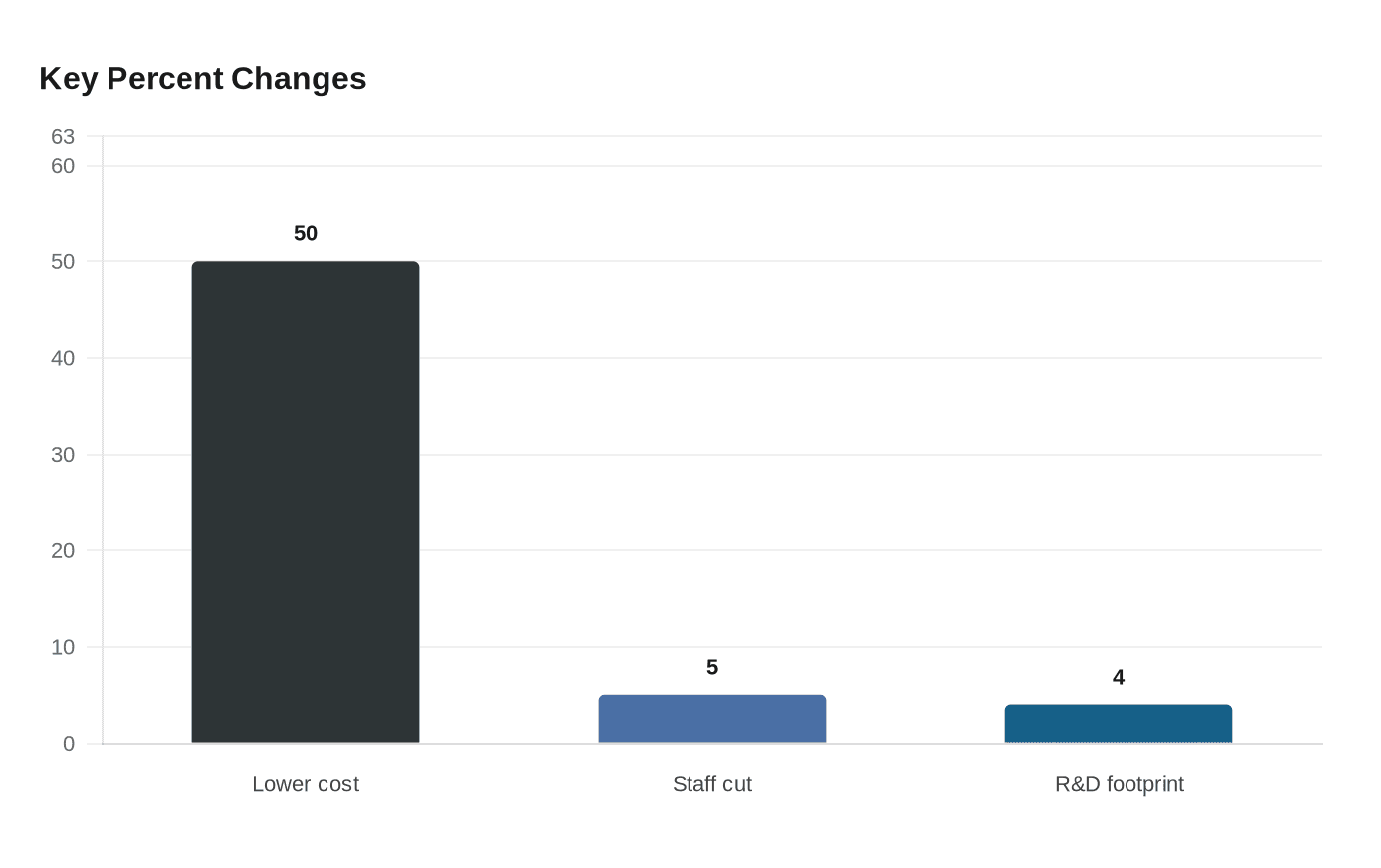
The economic logic is straightforward. Redwood says its storage systems can come in at up to 50 percent lower total installed cost than legacy systems and can typically be deployed within six to 12 months, a timeline that is far faster than many new generation projects. In March, the company said its systems met the latest UL fire-and-explosion testing standard and aligned with the 2026 edition of NFPA 855, two checkpoints that matter for large-scale adoption and permitting. Redwood has also signed a non-binding memorandum of understanding with GM to accelerate storage deployments using both new U.S.-manufactured GM batteries and second-life GM EV packs.
The restructuring adds another layer to Redwood’s workforce story. In November 2025, the company cut around 5 percent of staff after its $350 million raise, when it was valued at about $6 billion. Now the company’s hiring, capital spending and product road map are tracking a market in which utilities, grid operators and data-center developers may be proving faster-growing customers than automakers, with the ripple effects likely to shape battery jobs, federal industrial policy and the U.S. supply chain well beyond one company.
This article was produced by Prism’s automated news system from verified source data, official records, and press releases, then run through automated quality and moderation checks before publishing. The system is built and supervised by the people who set the standards it runs under. Read our full AI policy.
Did this article answer your question?