Adobe makes a comeback, blending ancient earth and 3-D printing
Adobe is moving from heritage sites into new museums and digital-fabrication labs, as builders test whether earth can answer climate and housing pressures.
Why adobe is back in the conversation
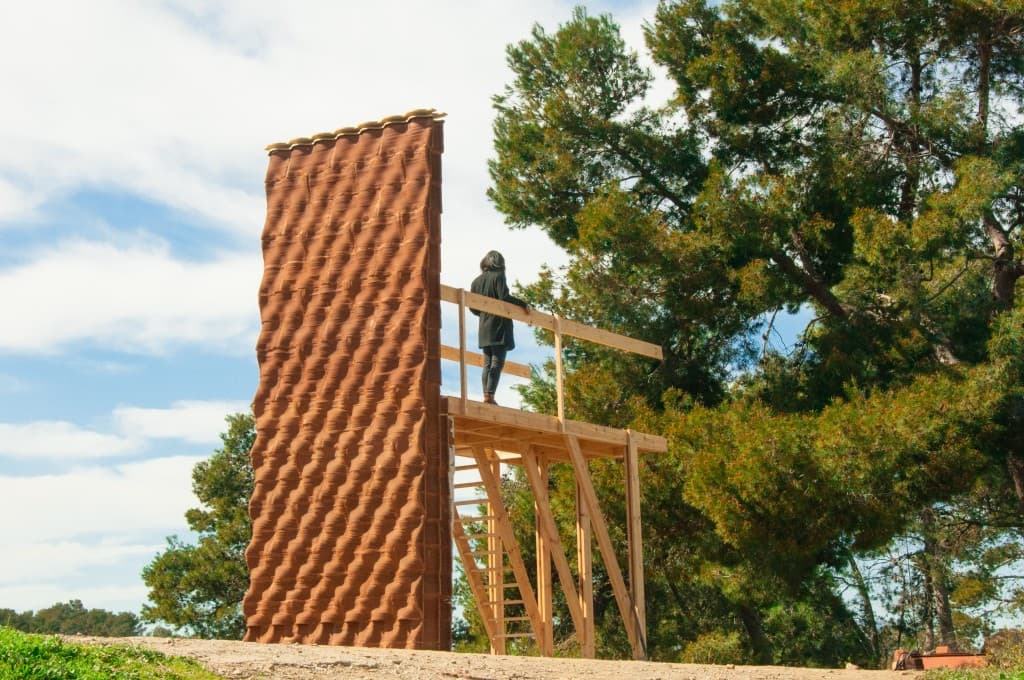
Adobe is moving from heritage sites into new museums and digital-fabrication labs as builders look for alternatives that feel more local, more expressive and, in some cases, more practical than conventional materials. The appeal is simple: adobe begins with earth, often the very ground beneath a project, and that makes it fit a building culture increasingly shaped by climate concerns, housing costs and the search for materials with a smaller footprint.
That revival is not happening in one lane alone. It shows up in preservation circles, in architecture schools, in museum commissions and in experimental studios that are now treating mudbrick as a platform for new technology rather than a relic of the past. What makes the moment notable is that adobe is no longer being discussed only as regional heritage, but as a material with design, economic and environmental implications.
A material with deep roots and real staying power
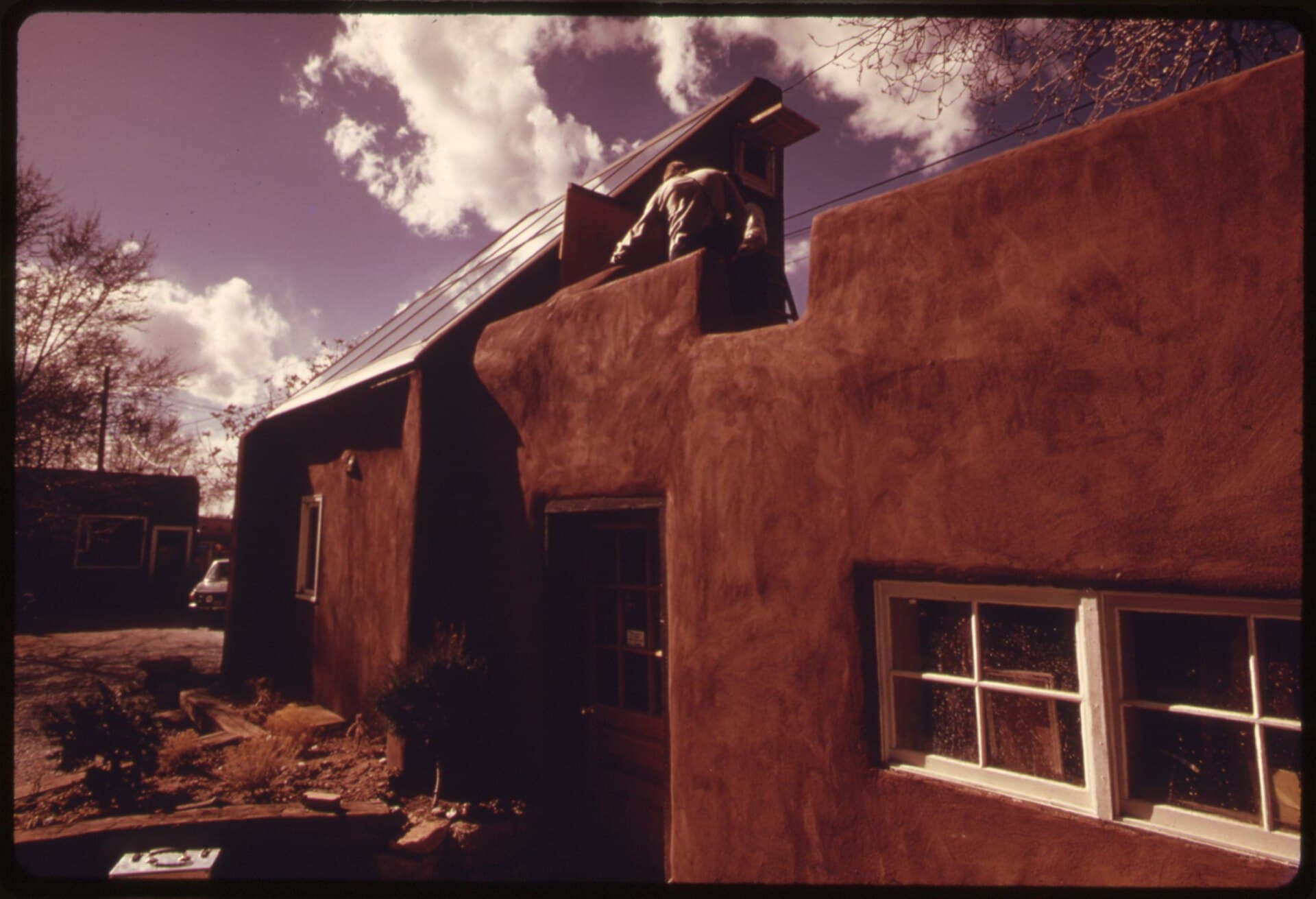
New Mexico offers the clearest evidence that adobe never really disappeared. A 1982 circular from the New Mexico Bureau of Mines & Mineral Resources described Taos Pueblo as a five-story adobe structure and the oldest continuously occupied adobe structure in the United States, at roughly 900 years old. That is not just a historical footnote. It is proof that earthen architecture can endure for centuries when it is maintained, adapted and understood as a living building system.
The state has also kept the practical knowledge alive. New Mexico State University publishes instructional material on making adobe bricks, a reminder that adobe is still taught not only as a preservation subject, but as a usable construction method. That matters because the renewed interest in earth building is not built on nostalgia alone. It rests on a surviving body of knowledge, from brick making to repair techniques, that makes the material intelligible to a new generation.
From preservation movement to building movement
Organizations such as Adobe in Action and the Earthbuilders’ Guild are helping move adobe beyond one-off preservation into a broader earthen-building movement. They present adobe alongside rammed earth and compressed earth block construction, which expands the conversation from a single historic technique to a family of methods that share the same basic logic: build with earth, shape it carefully and let local materials do much of the work.
Adobe in Action’s Earth USA conference shows how organized that movement has become. The 2024 gathering drew about 180 attendees from 15 countries, a small but meaningful international footprint for a specialty construction field. Earth USA 2026 is scheduled for September 18-20, 2026 in Santa Fe, New Mexico, and the conference’s continued growth suggests that adobe’s revival is no longer confined to a few regional advocates. It is becoming a network of builders, preservationists, designers and researchers.
Why museums and major commissions are paying attention
The new interest in adobe is especially visible in institutions that want architecture to do more than enclose space. In 2025, the Georgia O’Keeffe Museum broke ground on a $75 million expansion in Santa Fe that includes a new 54,000-square-foot campus, and the museum says the project will feature an adobe structure. That is a significant signal: adobe is being chosen not only for historic districts or small custom houses, but for a major cultural investment with long-term visibility.
A similar logic is at work far beyond New Mexico. Zaha Hadid Architects announced in 2025 that the Asaan Museum in Diriyah, Saudi Arabia, would be the firm’s first adobe building. The project is planned to use local clay and reference vernacular Najdi architecture, linking a globally known design practice to regional building traditions. In both cases, adobe is functioning as a statement of place, identity and continuity, not just as a material choice.
Where 3-D printing changes the equation
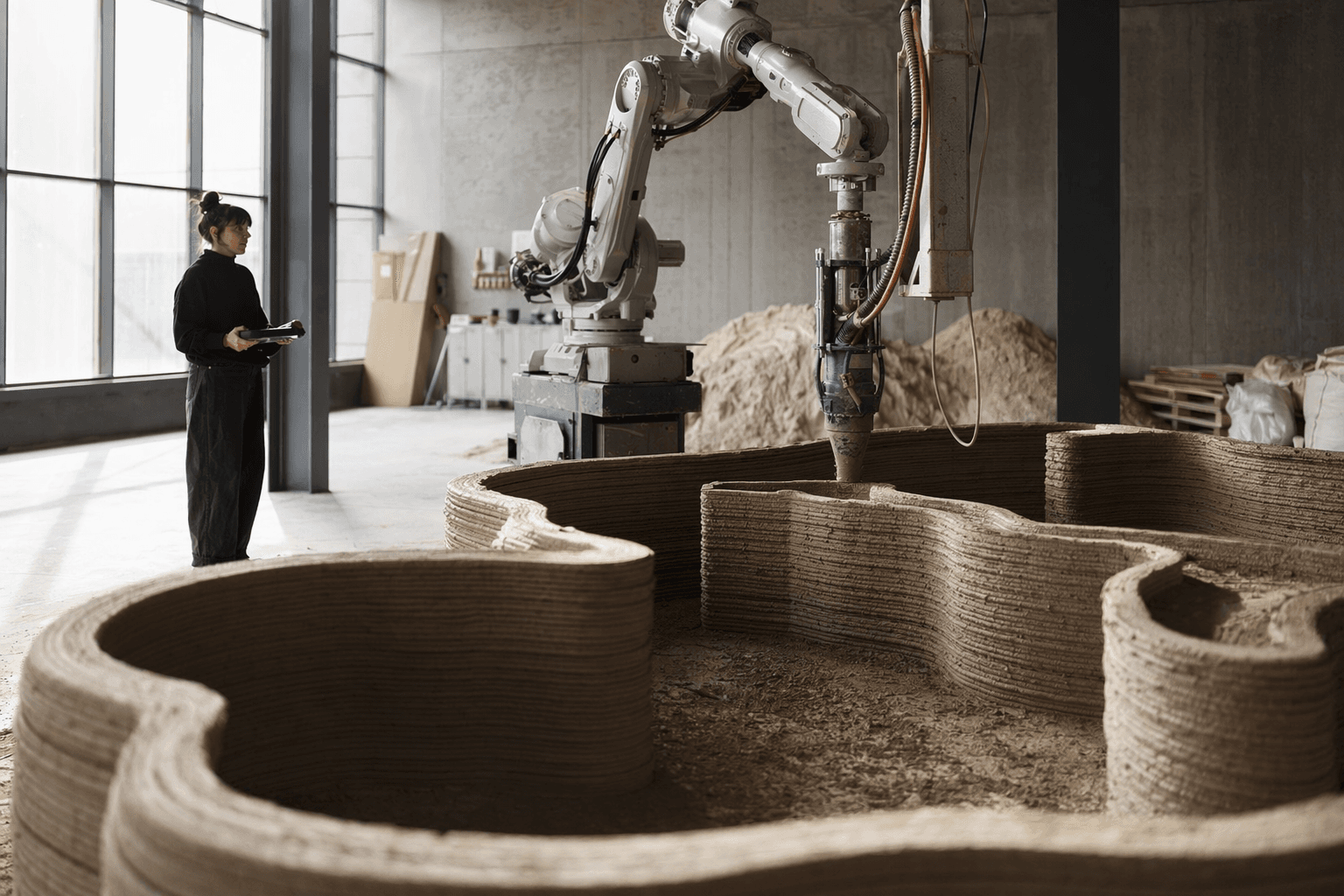
One of the most intriguing parts of adobe’s comeback is the way it is being paired with digital fabrication. Ronald Rael, a professor of architecture at the University of California, Berkeley and co-founder of Emerging Objects, has become a leading figure in this space. His work explores 3-D-printed adobe components, and both his university and studio describe that effort as part of a broader push to bring new life to one of the world’s oldest building materials.
That combination matters because 3-D printing can make earth-based construction feel less artisanal and more repeatable. It opens the door to components that are precisely shaped, potentially easier to assemble and more adaptable to contemporary design. At the same time, the technology does not erase adobe’s core realities: it still depends on material sourcing, skilled construction and thoughtful building design. Digital tools may improve the process, but they do not turn earthen architecture into a plug-and-play industrial product.
Can adobe solve modern housing and sustainability pressures?
The strongest case for adobe is that it answers several problems at once. It offers local sourcing, visual distinctiveness and a construction language that resonates with climate-conscious design. It also connects directly to the housing conversation, where builders and homeowners are increasingly interested in materials that can lower dependence on long supply chains and support more site-specific construction.
Still, the evidence points to a material that is growing first in culturally anchored and design-forward projects, not in mass-market housing. The presence of major museums, high-profile architects, university research and international conferences shows momentum, but it also shows where that momentum is concentrated. Adobe is scaling through expertise and ambition, not yet through volume.
That is why the revival feels so interesting: it is not a simple return to the past. It is a test of whether an ancient material can be adapted to modern demands without losing the qualities that made it endure in the first place. For now, adobe looks less like a universal fix than a serious, increasingly sophisticated option, one that could shape sustainable architecture at the margins and perhaps, over time, at a much larger scale.
This article was produced by Prism’s automated news system from verified source data, official records, and press releases, then run through automated quality and moderation checks before publishing. The system is built and supervised by the people who set the standards it runs under. Read our full AI policy.
Did this article answer your question?