ElliQ robot helps older adults fight loneliness and stay engaged
ElliQ’s strongest promise is connection, not replacement. The real test is whether a robot can ease loneliness without distracting from the human care older adults still need.
A robot steps into the care gap
A week before ElliQ arrived, a neurologist told one family they needed to rebalance a mother’s life. Her Parkinson’s medication was losing effectiveness, and with it she had begun to drop the routines that help stabilize the disease: exercise, social contact, and the hobbies that kept her engaged.
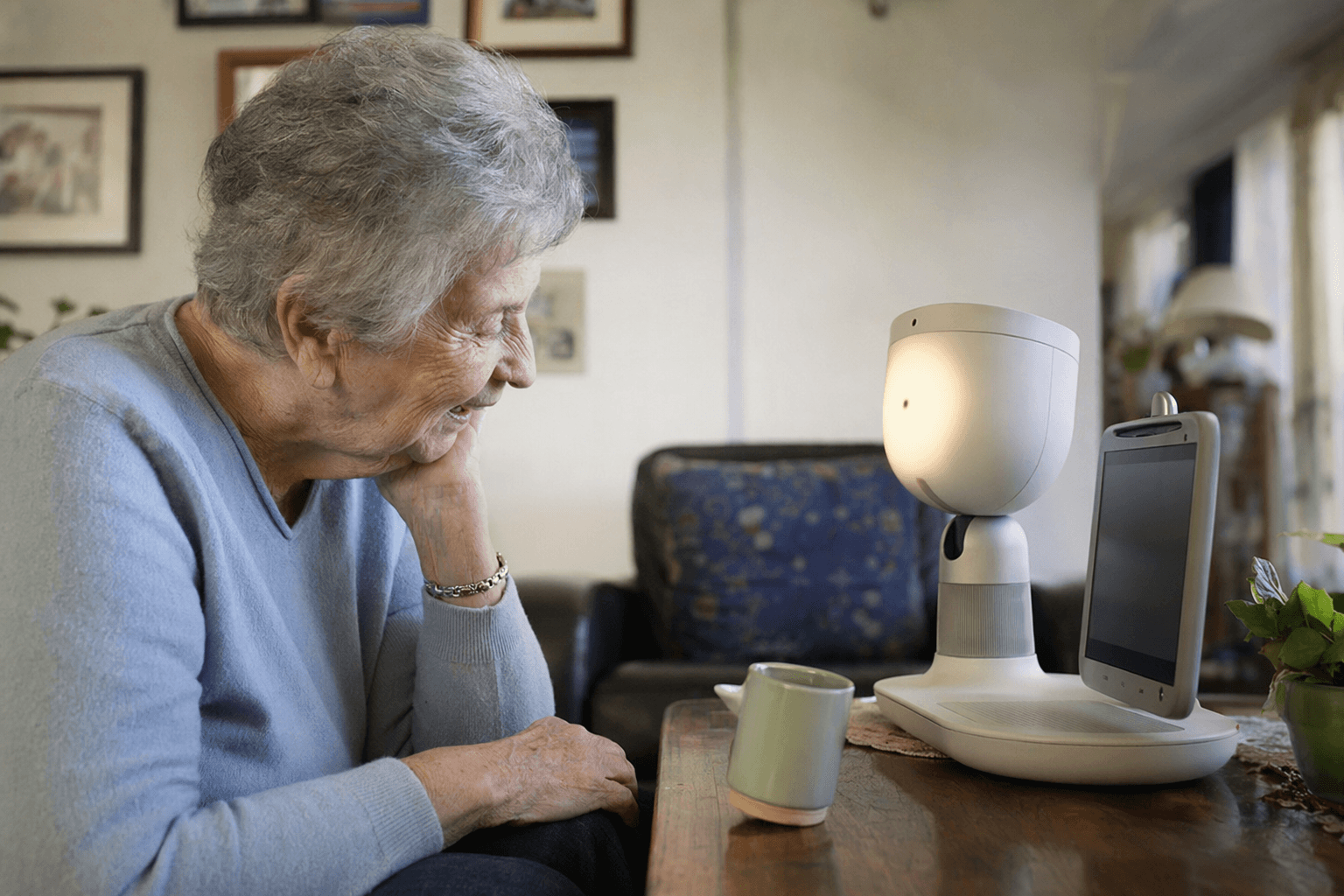
That is the opening question around companion robots for older adults. ElliQ is designed to spark conversation, suggest activities, remember preferences, and keep wellness routines moving, all in service of aging in place. The harder question is whether that kind of digital companionship can genuinely reduce isolation and caregiver strain, or whether it is only a clever patch for a shortage of human support.
Why loneliness is now treated as a health issue
The case for tools like ElliQ begins with a public health problem that is no longer treated as soft or subjective. The Centers for Disease Control and Prevention says social isolation and loneliness put people at risk for serious mental and physical health conditions. In older adults, that risk can show up not just as sadness, but as worsening health, lower resilience, and a cycle that makes self-care harder.
That warning matters because loneliness is not only emotional. Research on ElliQ has linked loneliness in older adults with morbidity, frailty, cognitive decline, and mortality. The broader pandemic-era context intensified attention on aging alone at home, especially for people who live with chronic illness, reduced mobility, or shrinking social circles.
What ElliQ is built to do
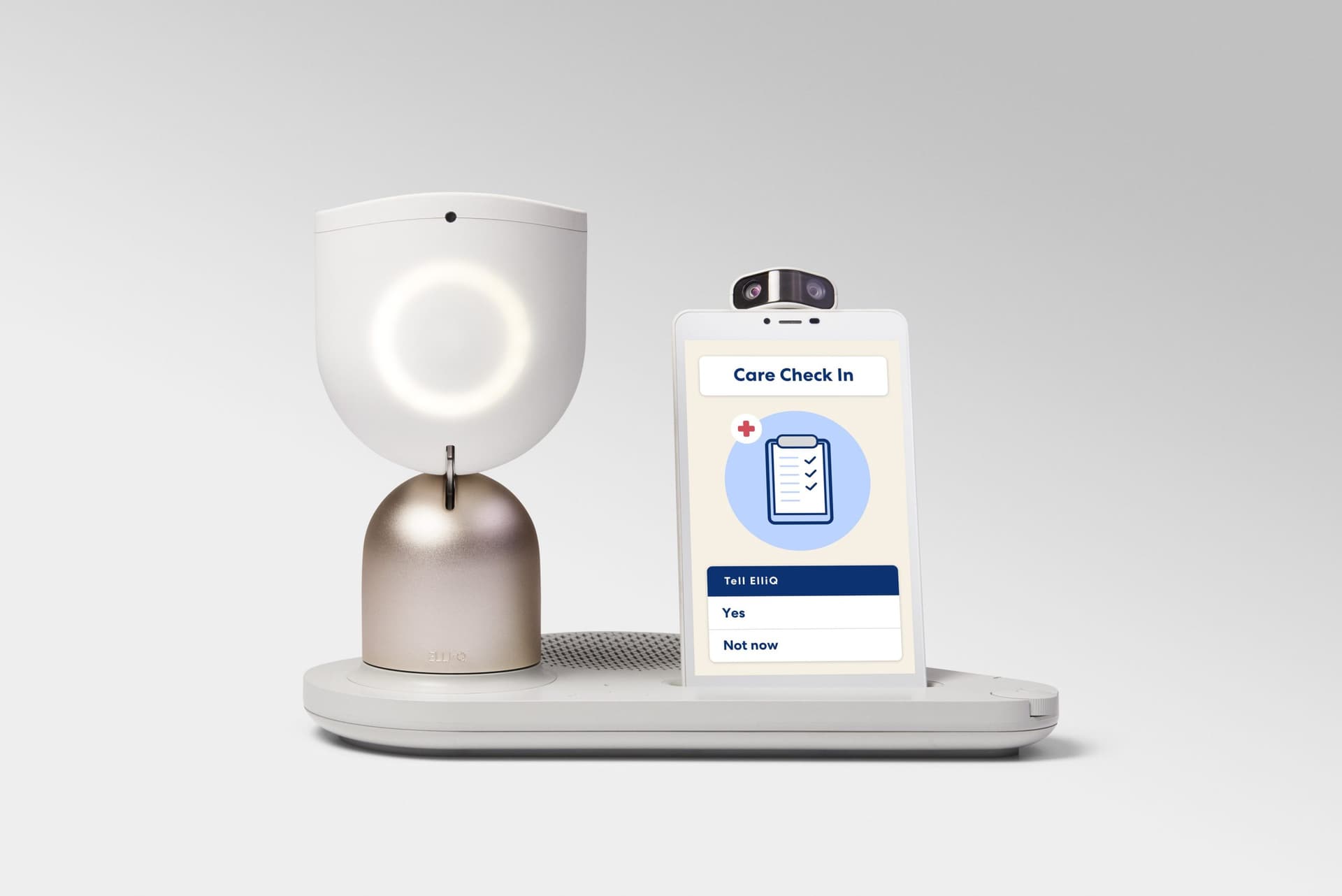
Intuition Robotics launched ElliQ commercially on March 15, 2022, after more than five years of research and beta testing with older adults. The company later introduced ElliQ 3 on January 9, 2024, saying the new model is 1.3 pounds lighter and has a 36% smaller footprint than the original. That smaller design matters in homes where every inch of counter or table space has to earn its keep.
The device is meant to do more than chat. A 2024 paper says ElliQ can support conversation, music, video calls, well-being assessments, stress reduction, cognitive games, and health reminders. State and company partners also say it can guide wellness goals, remember what users say, and help support calls or messages to family members and caregivers. In that sense, it functions less like a toy and more like a daily prompt for routine, connection, and follow-through.
What it can change in daily life
For an older adult whose world has narrowed, that mix of functions can matter in practical ways.
- It can initiate interaction instead of waiting for the user to reach out.
- It can prompt movement, reminders, and simple activities that support routine.
- It can help connect the user to family and caregivers through calls or messages.
- It can encourage engagement that is social, physical, and mental, not just passive entertainment.
Those features help explain why ElliQ has attracted attention from health systems and public agencies looking for ways to support aging in place. A 2024 review article says the robot has been deployed by 15 U.S. government agencies, which suggests the interest is not limited to private households.
What the New York pilot found
The strongest real-world evidence in the material comes from New York State Office for the Aging, which has piloted ElliQ with Intuition Robotics as a proactive AI care companion for older adults. As of August 1, 2023, the agency said more than 800 New Yorkers had participated.
Its reported engagement numbers were striking. Users interacted with ElliQ more than 30 times per day, six days a week, and more than 75% of those interactions were tied to social, physical, and mental well-being. The agency also reported a 95% reduction in loneliness among older adults using the device, a figure that has helped drive continued interest in the program.
Later, the state said approximately 900 units were being made available to older adults in participating counties. That expansion matters because it shifts ElliQ from a small pilot into a broader public program, where the key policy question becomes who gets access, how it is funded, and whether the gains hold outside a managed trial.
The measure that matters most
The pilot numbers point to a promising pattern, but they also show what still needs scrutiny. High interaction counts tell us users are engaging with the device often, and the loneliness reduction suggests some older adults experience meaningful benefit. What the figures do not settle is whether those gains come from the robot itself, the structure it adds to the day, or the broader attention that often surrounds a pilot program.
That distinction is important for caregivers and policymakers. If ElliQ is most effective as a cue to call a family member, take a walk, or follow a wellness routine, then it may be helping to coordinate human care rather than replace it. If so, it is a support tool, not a substitute.
The policy question beneath the promise
The central care-gap issue is not whether a robot can talk. It is whether a robot can soften the effects of social isolation in a system where many older adults do not get enough human contact in the first place. For families strained by chronic illness, distance, or limited time, that can be meaningful. For health systems under pressure, it can look like a scalable intervention.
But public health policy has to ask more than whether something works in a pilot. It has to ask who pays, who is left out, how privacy is protected, and whether technology is being used to extend care or to rationalize its absence. Those questions sit directly underneath ElliQ’s appeal, especially when loneliness itself is already recognized as a health risk.
What ElliQ represents now
ElliQ is best understood as a sign of where aging-care technology is headed: toward devices that do not just remind people what to do, but try to keep them company while they do it. The commercial launch in 2022, the lighter and smaller ElliQ 3 in 2024, and the growing use by public agencies all show that the idea has moved beyond novelty.
Still, the story is not really about a robot winning a contest against loneliness. It is about whether a machine can support the fragile routines that keep older adults connected, while communities and health systems decide how much human care they are willing to provide alongside it.
This article was produced by Prism’s automated news system from verified source data, official records, and press releases, then run through automated quality and moderation checks before publishing. The system is built and supervised by the people who set the standards it runs under. Read our full AI policy.
Did this article answer your question?