Afghan women turn to entrepreneurship as Taliban restrictions deepen
With schools closed and formal jobs scarce, Afghan women are building businesses to survive, even as debt, escorts and edicts keep their freedom brittle.
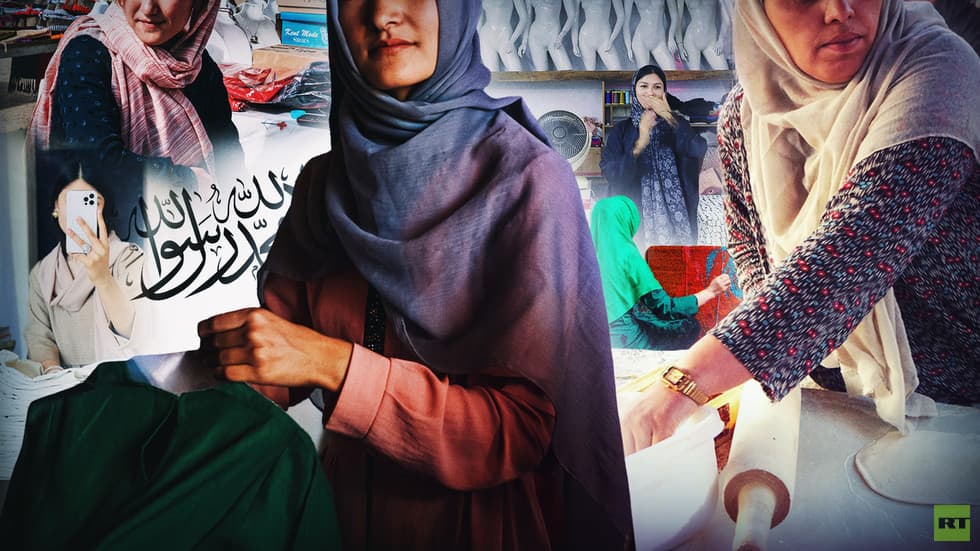
Afghan women are turning to entrepreneurship because many of the other doors to income have been shut. Since the Taliban took power in August 2021, girls have been barred from secondary school, women were later excluded from university in December 2022, and millions of young women have been pushed out of classrooms and into an economy where formal work has nearly disappeared.
The scale of the squeeze is stark. UNESCO says Afghanistan is the only country in the world that systematically denies girls and women access to secondary and higher education, and estimates that 2.2 million adolescent girls are shut out of secondary classrooms. UN Women says the Taliban has issued more than 70 decrees restricting women’s and girls’ rights since 2021, while its 2024 country profile says the regime has dismantled much of the legal and institutional infrastructure that had supported women’s rights between 2001 and 2021. In UN Women consultations, 98% of surveyed women said they had limited or zero influence over community decisions. The World Bank put female labor force participation in Afghanistan at 5.1% in 2025.
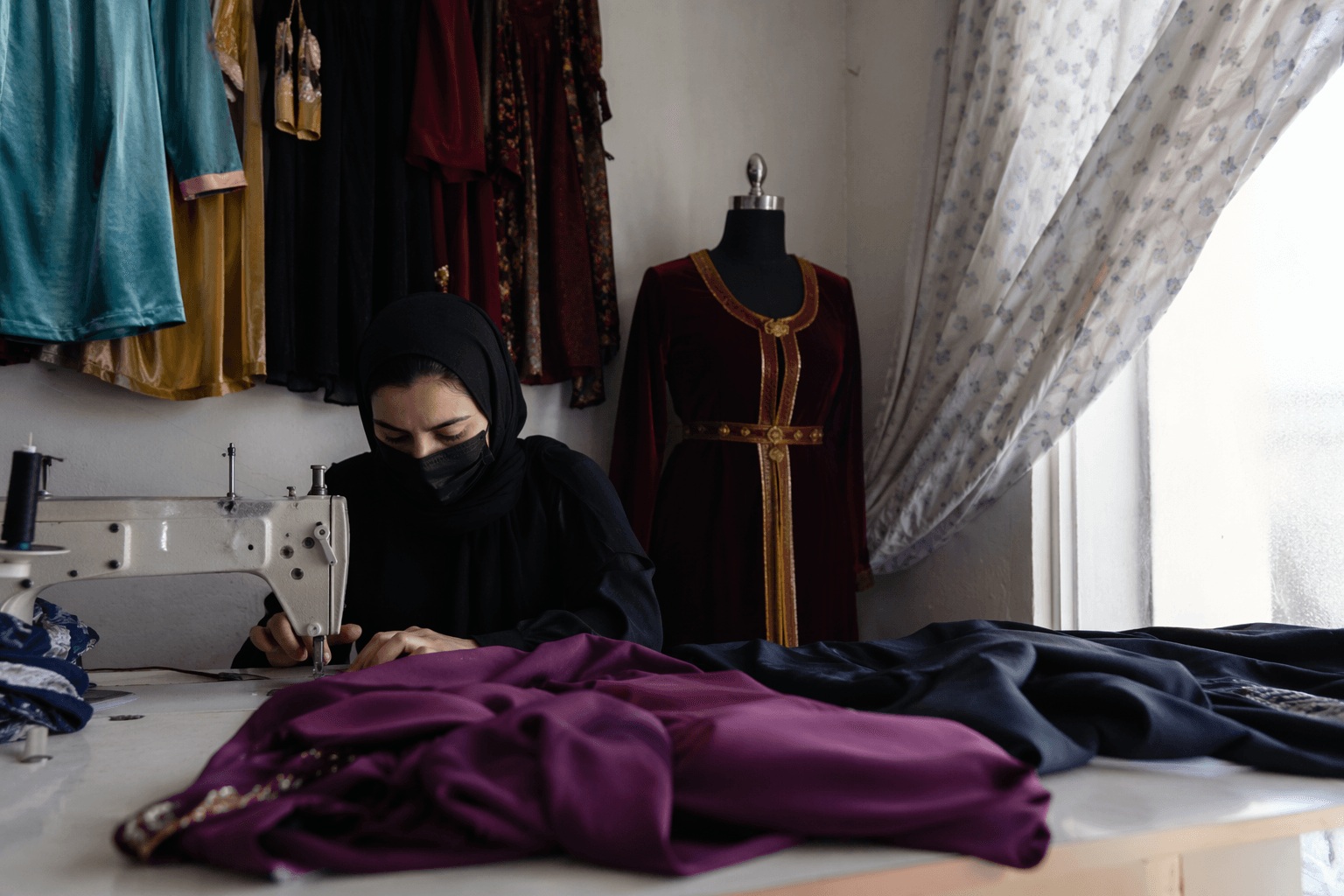
That leaves business ownership as one of the few remaining ways to earn money and preserve a measure of independence. UNDP’s 2024 survey found that 80% of women-led enterprises relied on business revenue as their primary source of income, while 41% of surveyed women entrepreneurs were already in debt. Access to credit remained vanishingly small: only 5% had received loans through banks or microfinance institutions. Mobility is another constraint. UNDP found that 73% of surveyed women said they could not travel even to local markets without a mahram, a male escort, turning something as basic as sourcing supplies or selling goods into a negotiation with the Taliban’s rules.
Even so, the sector has become a lifeline for households and other women. UNDP said women-run businesses create jobs for women and estimated that its support and that of partners had helped 75,000 micro and small businesses, benefiting more than 4.5 million Afghans. The broader economic cost of excluding women from education is also mounting: UNESCO says the suspension of women’s higher education could cost Afghanistan up to US$9.6 billion in lost potential by 2066. For many Afghan women, entrepreneurship is not a slogan about empowerment. It is a narrow route to survival in a country where legal rights have shrunk, movement is monitored, and the future has been priced out of reach.
This article was produced by Prism’s automated news system from verified source data, official records, and press releases, then run through automated quality and moderation checks before publishing. The system is built and supervised by the people who set the standards it runs under. Read our full AI policy.
Know something we missed? Have a correction or additional information?
Submit a Tip