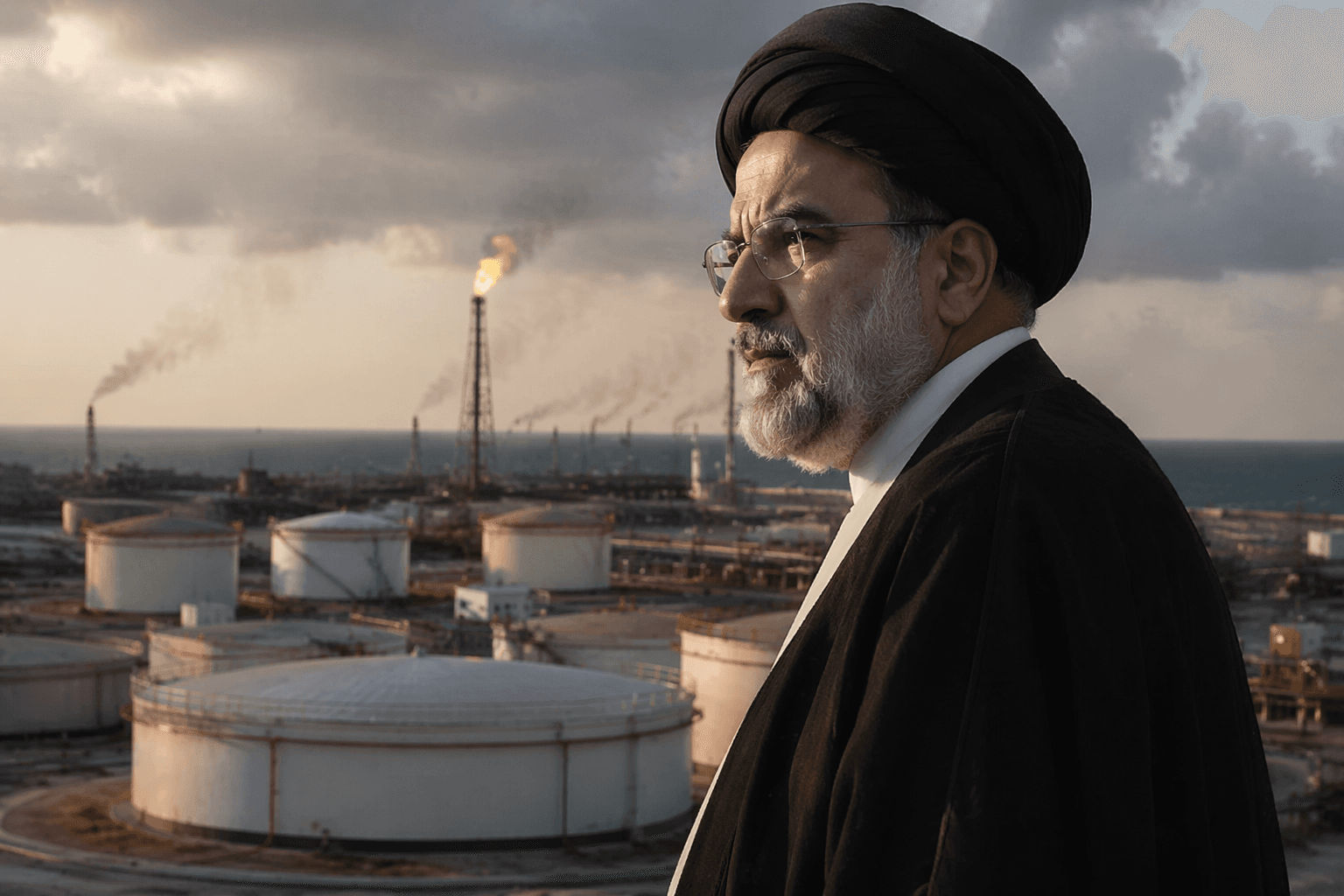
Afghanistan claims airstrikes on militant hideouts in Pakistan provinces
Afghanistan said it struck militant hideouts in Balochistan and Khyber Pakhtunkhwa, while Pakistan denied the claim and said it shot down a drone.
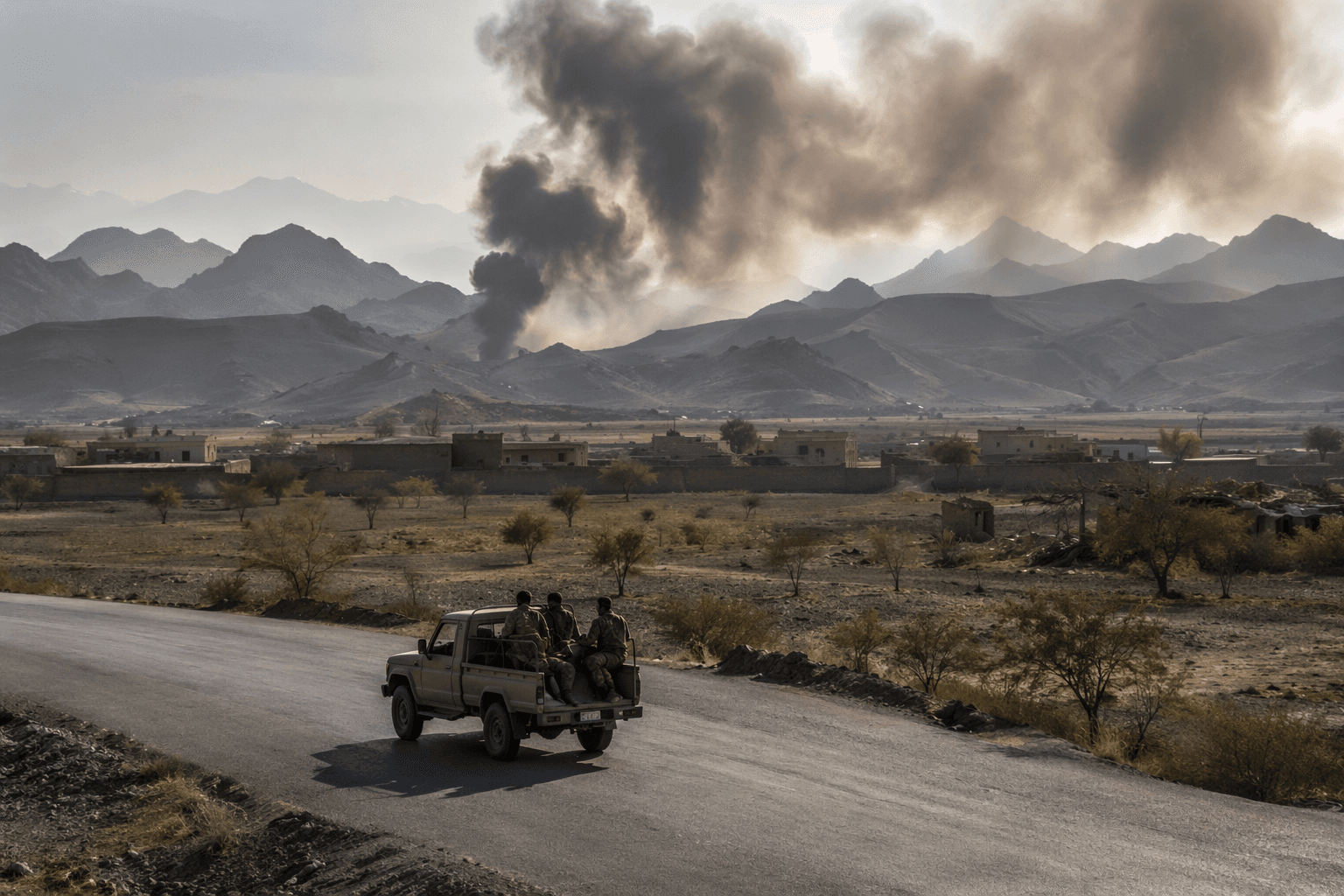
A disputed Afghan claim of strikes on militant hideouts in Pakistan sharpened an already volatile border standoff, with Kabul and Islamabad again trading accusations over who is harboring armed groups. The Taliban defense ministry said it targeted “ISIS” or Daesh hideouts in Balochistan and Khyber Pakhtunkhwa, but it did not say whether the operation used aircraft, drones or another method. Pakistan’s information ministry rejected the account and said a rudimentary drone entered Pakistani airspace and was shot down in the Shinko area of Khyber District.
The exchange mattered because the two neighbors have spent months warning that cross-border militancy is no longer a background grievance but a direct national security threat. Afghanistan’s message, posted publicly on X, signaled a willingness to project force across the frontier and accuse militants of using Pakistani territory as a base. Pakistan has repeatedly denied that it shelters such groups, and it has often made the same accusation in reverse against Kabul, turning militant sanctuaries into one of the most persistent disputes between the two governments.
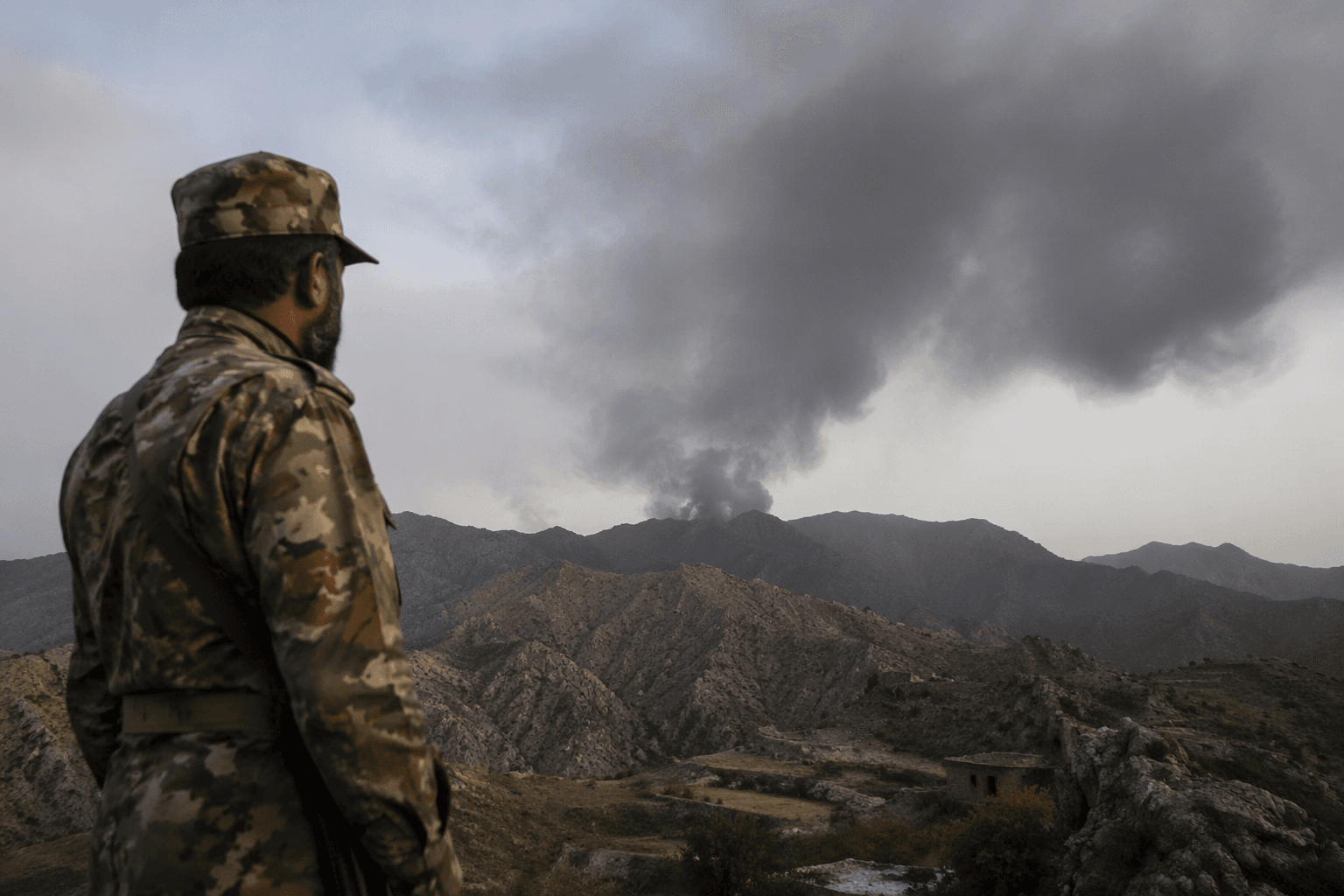
The latest clash of claims came only days after Pakistan said it carried out “precise and calibrated” strikes inside Afghanistan on June 10 and killed 26 militants. Afghan authorities said those strikes killed at least 13 civilians, including children, and wounded 14 others. That back-and-forth has deepened fears that each round of retaliation is widening the conflict rather than containing it. Even without casualty figures attached to the Afghan claim, the messaging alone suggested that both sides were trying to show resolve to domestic audiences while refusing the other’s account.
The broader risk is that each disputed strike becomes a test of credibility, not just military capability. UNAMA said on March 3 that it had recorded at least 146 civilian casualties in Afghanistan from the late evening of February 26 to March 2, including 42 killed and 104 injured. It later said 372 civilians were killed and 397 injured in cross-border violence in Afghanistan during the first three months of 2026. Those numbers show how quickly border violence has become a humanitarian crisis as well as a security one, with civilians again paying the price when aircraft, drones or shelling enter the picture.
The confrontation also underscored how fragile outside diplomacy remains. Reuters reported in March that Chinese mediation, including a message from Xi Jinping, helped ease the worst fighting between Pakistan and Afghanistan since the Taliban returned to power in 2021. If the current exchange escalates further, the warning signs will be familiar: more claims of strikes on either side of the border, sharper casualty disputes, new drone interceptions, and a diplomatic freeze that leaves Balochistan, Khyber Pakhtunkhwa, Khost, Paktika and Kunar closer to another cycle of retaliation.
This article was produced by Prism’s automated news system from verified source data, official records, and press releases, then run through automated quality and moderation checks before publishing. The system is built and supervised by the people who set the standards it runs under. Read our full AI policy.
Know something we missed? Have a correction or additional information?
Submit a Tip