African bodies and allies reject Israel recognition of Somaliland
Israel’s Dec. 26 recognition of Somaliland provoked an immediate and concerted backlash from Somalia, the African Union, IGAD and a coalition of more than 20 states on Dec. 27, 2025. The sweeping rebukes framed the move as unlawful and a threat to Somalia’s sovereignty, raising short term regional stability concerns with possible economic and security consequences for the Horn of Africa and Red Sea trade routes.
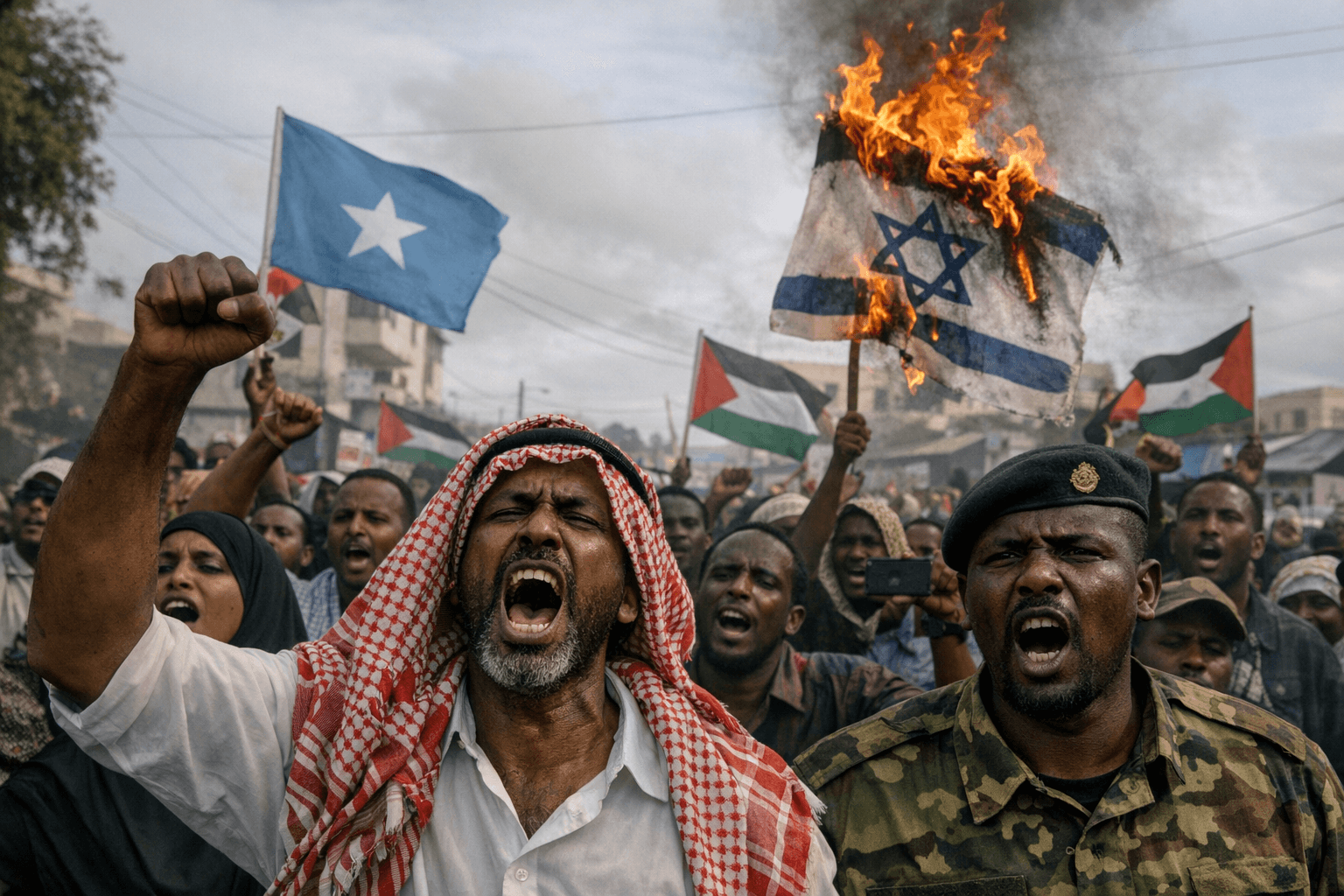
Israel recognized Somaliland as an independent state on Dec. 26, 2025, a step that officials said marked the first such recognition in more than three decades. Within 24 hours Somalia and a broad array of regional and international organizations publicly condemned the decision, framing it as a unilateral affront to Somali sovereignty and a potential catalyst for wider instability.
Somalia’s federal government "strongly rejected" the move, reaffirming that Somaliland "remains an integral part of Somalia’s sovereign territory" and calling the recognition a "deliberate attack" on the country’s sovereignty that would undermine peace in the region. The statement reflected long standing sensitivities in Mogadishu, where recognition of Somaliland is seen as a red line for national unity after the state declared independence in 1991.
The African Union, led by chair Mahamoud Ali Youssouf, responded forcefully on Dec. 27, stating that the AU "firmly rejects" Israel’s recognition and warning that any attempt to undermine Somalia’s unity "risks setting a dangerous precedent with far reaching implications for peace and stability across the continent." IGAD, the East African bloc, said the action "runs contrary to the charter of the United Nations" and "firmly rejects any initiative or action aimed at recognizing Somaliland as an independent entity," reiterating that Somaliland "remains an integral part of the Federal Republic of Somalia."
A joint statement by more than 20 mostly Middle Eastern and African states together with the Organization of Islamic Cooperation explicitly rejected Israel’s recognition "given the serious repercussions of such unprecedented measure on peace and security in the Horn of Africa, the Red Sea and its serious effects on international peace and security as a whole." The Arab League, the Gulf Cooperation Council and a separate joint condemnation by the foreign ministers of Somalia, Egypt, Türkiye and Djibouti affirmed "their total rejection and condemnation of Israel’s recognition of the Somaliland region, stressing their full support for the unity, sovereignty and territorial integrity of Somalia." The European Union said it respected Somalia’s territorial integrity and urged dialogue between Mogadishu and the Somaliland authorities.
Beyond diplomatic fallout, analysts and officials pointed to immediate economic and security stakes. Somaliland has operated de facto with its own government and currency since 1991, and its port at Berbera has attracted foreign investment and strategic interest from regional port operators and Gulf states in recent years. Any change in status raises questions about investor legal certainty, port management agreements and the flow of development financing, because international lenders and donors typically require clarity on sovereignty to engage in large scale infrastructure projects.
The Red Sea and adjacent waterways are a crucial artery for global trade between Asia and Europe and for oil shipments. Analysts warn that diplomatic spats that elevate tensions in the Horn of Africa can drive up maritime insurance costs and shipping delays, as seen in recent disruptions to regional routes. More broadly, the AU and IGAD framed the decision as a test case for how the continent and the international community treat secession claims, with potential implications for other unresolved territorial disputes.
For now the move has hardened regional positions and set the stage for diplomatic confrontation. African and regional bodies have called for immediate reversal or mediation, and the EU urged renewed dialogue. The coming weeks will determine whether Israel’s recognition prompts legal challenges, multilateral mediation or practical shifts in investment and security arrangements across the Horn of Africa.
This article was produced by Prism’s automated news system from verified source data, official records, and press releases, then run through automated quality and moderation checks before publishing. The system is built and supervised by the people who set the standards it runs under. Read our full AI policy.
Did this article answer your question?


