Agriculture Secretary Signals Sweeping SNAP Rule Changes, Tightened Eligibility
The Agriculture Department signaled significant changes to the Supplemental Nutrition Assistance Program, announcing plans to tighten eligibility and work requirements while shifting how the program is administered. The proposals could reduce benefits for millions of low income Americans, prompting states and anti hunger groups to prepare legal and legislative responses.
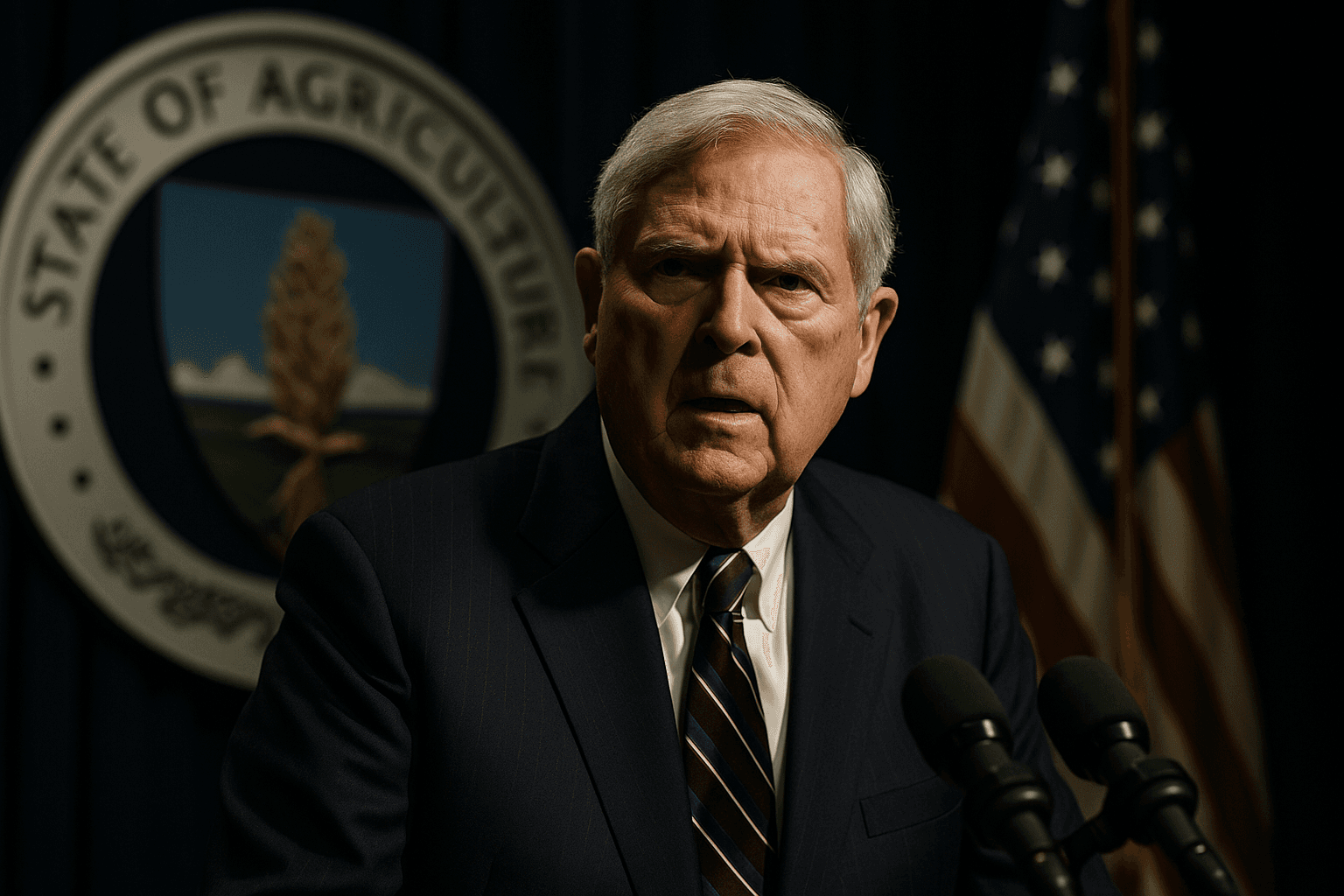
The Biden administration announced that the Department of Agriculture planned to advance major regulatory changes to the Supplemental Nutrition Assistance Program, setting in motion a rulemaking process that officials said would tighten eligibility, expand work requirements and alter certain program administration policies. The announcement on December 1, 2025 came from Agriculture Secretary Brooke Rollins who outlined the administration's goals of reducing dependency and improving employment outcomes, while detailed regulatory text remained unpublished.
Officials indicated an early timeline for formal rulemaking but provided few specifics about the measures under consideration. The department's outline suggested a suite of regulatory maneuvers rather than immediate statutory changes, signaling reliance on administrative authority to reshape SNAP rules. That approach would allow the department to move more quickly than Congress but also invites intense scrutiny during the public comment period and potential legal challenges after rules are finalized.
Advocates and state officials reacted sharply, warning that substantive changes could cut benefits for millions of low income Americans and increase food insecurity. Anti hunger groups said they were preparing legal strategies to challenge any rules they view as unlawful, while several state governments signaled intent to pursue legislative responses and to adjust state level implementation to protect vulnerable populations. The immediate responses underscored how federal changes to SNAP can cascade through state systems that administer benefits day to day.
Policy analysts noted the institutional consequences of pursuing major revisions through rulemaking. Regulatory changes can sharply constrain or expand state discretion, affect federal cost sharing and alter the administrative burden on state agencies responsible for eligibility determinations. Those agencies would face operational pressures to adapt systems and staffing to new work verification protocols if the administration follows through on plans to strengthen work requirements.
The political implications are also significant. SNAP remains a politically salient program for tens of millions of households, and changes that affect access or benefit levels could shape civic engagement and voting patterns in communities disproportionately reliant on federal nutrition assistance. Lawmakers in both parties could face constituent pressure as states assess the local impact and consider whether to pursue state level protections or exemptions.
Legal experts said litigation is a predictable next step if the department issues rules that appear to run counter to statutory language or to exceed administrative authority. Court challenges could focus on procedural grounds if the agency fails to provide adequate notice and opportunity for comment, and on substantive grounds if rules are seen as inconsistent with congressional intent for the program.
With regulatory text not yet published, the coming weeks will be decisive. Stakeholders from state capitals to anti hunger coalitions are mobilizing to influence the content of any proposed rule and to prepare for a contested implementation phase. The debate is likely to center on competing claims about program effectiveness, the balance between promoting work and preventing hardship, and the proper scope of administrative action in reshaping a program that serves millions.
This article was produced by Prism’s automated news system from verified source data, official records, and press releases, then run through automated quality and moderation checks before publishing. The system is built and supervised by the people who set the standards it runs under. Read our full AI policy.
Did this article answer your question?

