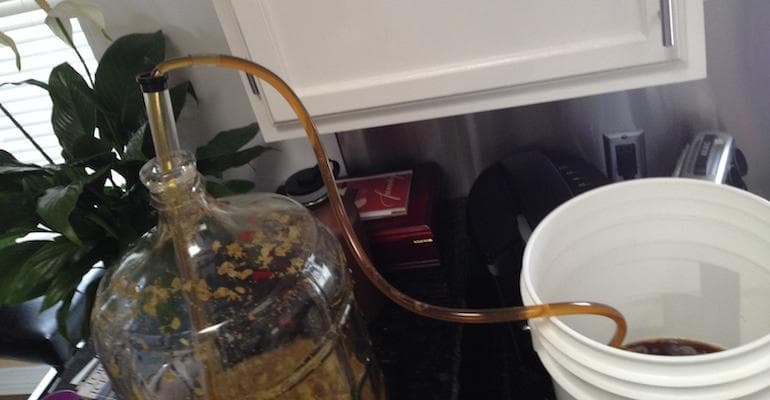
AHA Homebrew Equipment Guide: Essentials, Upgrades, Sizing, and Shopping Tips
AHA homebrew equipment primer lays out essential kettles, fermenters, airlocks, sanitizers, and sensible upgrades with sizing and shopping tips to help you start smart and avoid common rookie mistakes.
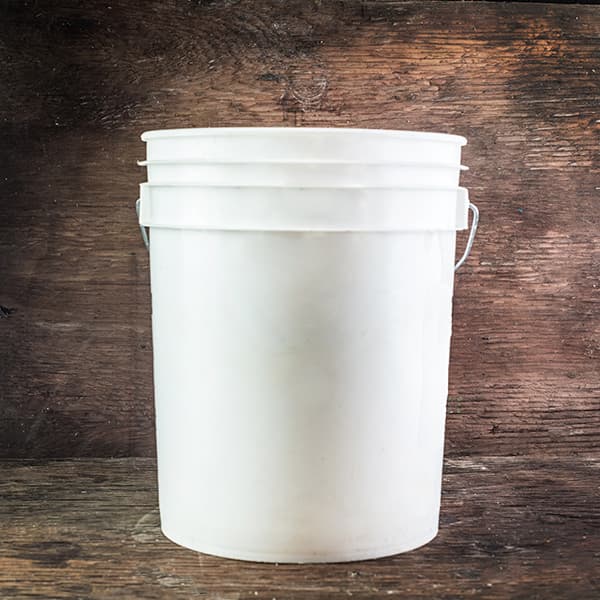
Start with the fundamentals and you will save time, money, and a batch or two. Kettles, primary fermenters, airlocks or blow-off tubes, and an effective sanitizer are the baseline kit you need to get clean, consistent beer into bottles. Prioritize a reliable thermometer and a hydrometer or refractometer so you can measure gravity and fermentation progress; these small tools protect both your process and your palate.
Know your brewing path before you buy heavy equipment. Extract setups need the fewest tools and fit into a small kitchen or apartment; partial mash adds a mash tun and gives control over character without the full mash hardware; all-grain demands a mash tun or system and larger kettles. Size your vessels to match the batch. For 5 gallon finished batches, aim for a 7-8 gallon kettle and a 6.5 gallon fermenter to allow for boil-off, trub, and krausen headroom. Undersized vessels are a common beginner mistake that leads to boilovers and lost batches.
Sanitation is non negotiable. Use an oxygen- and alcohol-safe sanitizer and follow contact time directions. Cooling wort quickly reduces infection risk and improves clarity; that makes a wort chiller among the most effective upgrades. Immersion chillers are approachable and inexpensive to install, while counterflow and plate chillers give faster cool-down for larger systems. Conical fermenters buy convenience for folks who want to harvest yeast or dump trub without racking, but they are optional until you hit regular all-grain production.
Shop smart to stretch your budget. Start local: homebrew shops offer parts, fresh ingredients, and hands-on advice that pay dividends. Use club and shop directories to find meetups, tap into shared equipment, and learn from batch-by-batch experience. Consider used stainless kettles or fermenters but clean and sanitize them thoroughly before use. Buy quality for items that touch wort and yeast, and defer luxury splurges until you know which processes you will repeat.
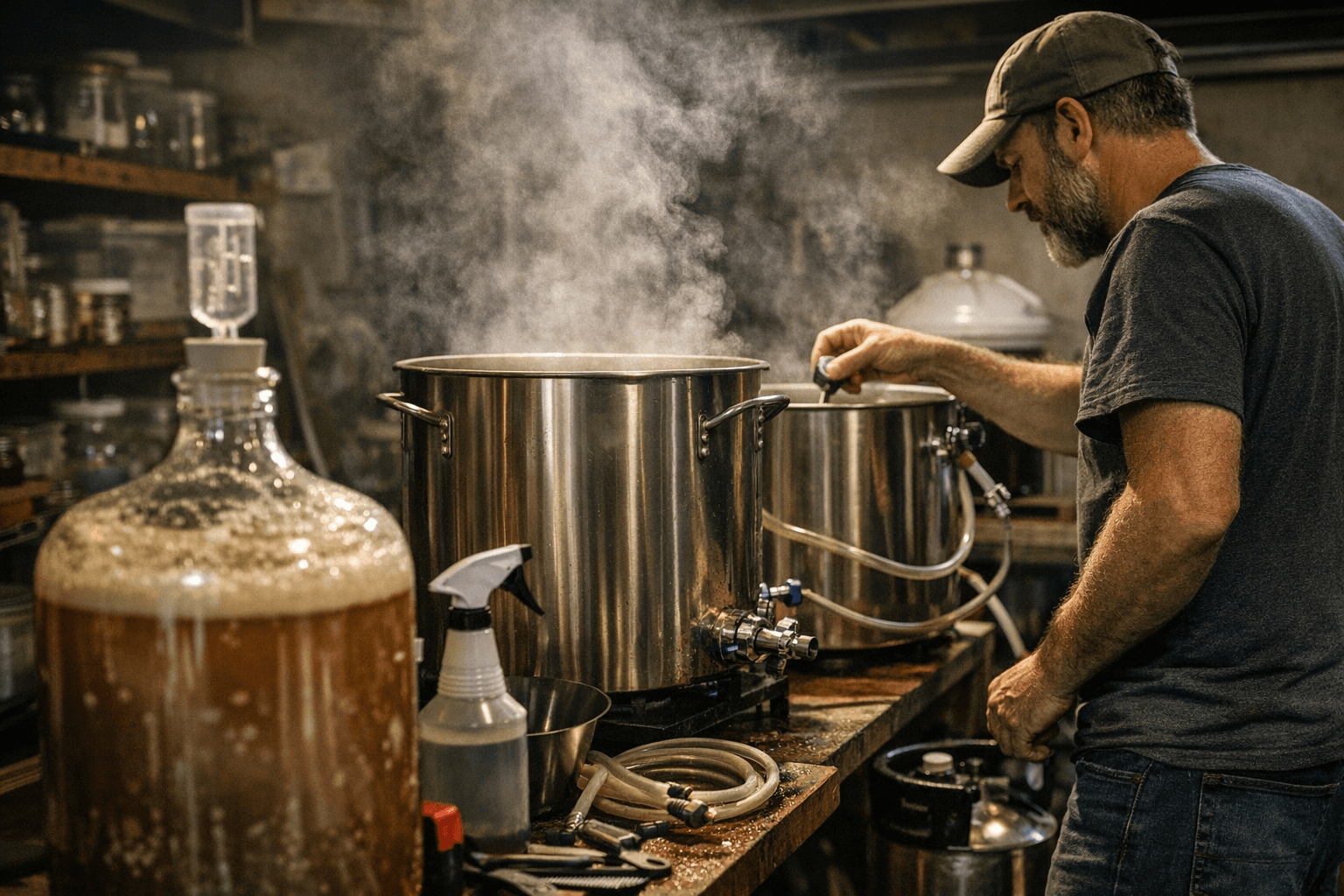
Avoid gear-acquisition syndrome by upgrading in response to workflow needs. If chilling or clarity is your bottleneck, add a chiller. If yeast management is critical, move to a conical. If space or budget limits you, focus on sanitation, accurate measurement, and vessel sizing first. That approach keeps costs down and results up.
This practical balance of essentials, sensible upgrades, and local sourcing gets you brewing reliably and enjoying the hobby more quickly. Follow these priorities, join a club, and let each batch teach you which piece of gear is worth the next investment.
Sources:
Know something we missed? Have a correction or additional information?
Submit a Tip