AI chip giants skew Asia stocks, forcing funds to sell winners
A few AI chip giants have swollen Asia’s benchmarks so much that active funds are selling their best performers just to stay within concentration limits.

Asia’s AI rally has stopped looking like a stock pickers’ market and started looking like a forced-trading exercise. Fund managers who got the winners right are now trimming positions in TSMC, Samsung Electronics, SK Hynix and MediaTek because the stocks have grown so large that they threaten portfolio limits, turning success into a compliance problem.
Sam Konrad, who runs Asia Equity Income at Jupiter Asset Management, said his fund had been “forced sellers of TSMC, Samsung and MediaTek” as those holdings became too dominant. That pressure is not confined to one portfolio. TSMC, Samsung and SK Hynix now make up almost a third of the MSCI Asia Pacific ex-Japan Index, a level of concentration that leaves active managers with little room to add to the region’s biggest semiconductor names without pushing risk beyond mandate boundaries.
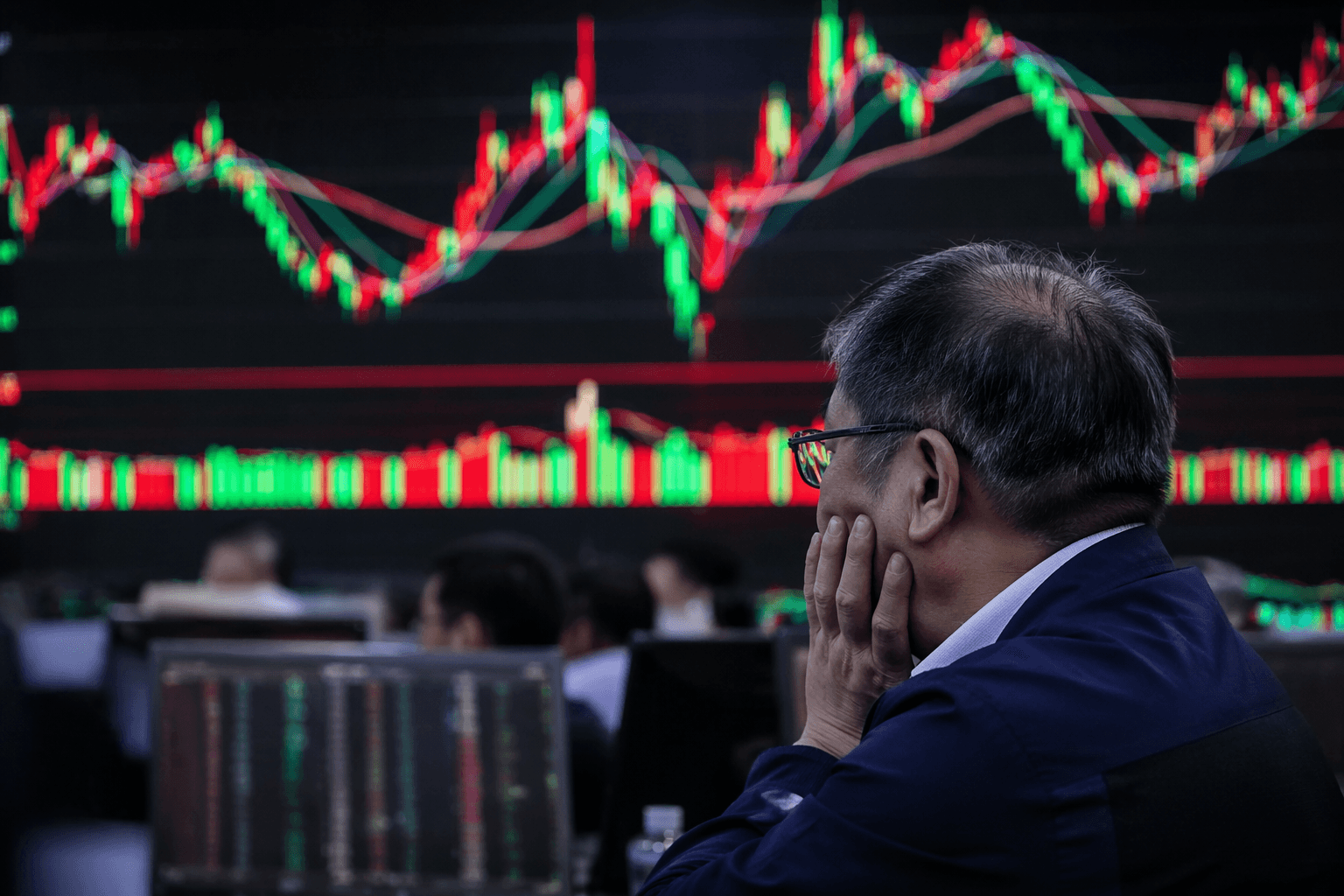
The size of the individual stocks explains why the trade has become so distorted. TSMC has risen 52% this year, Samsung 159% and MediaTek 184%, while SK Hynix has surged 253% and Samsung 193% in the latest JPMorgan tally cited by MarketWatch. HSBC has called TSMC the biggest portfolio underweight among Asian and global emerging-market funds, showing how managers are being pushed away from the same names that have powered the market higher.
The benchmark weights make the distortion even clearer. TSMC accounts for 41.5% of Taiwan’s Taiex, while Samsung Electronics and SK Hynix together make up 55% of South Korea’s Kospi. CNBC said TSMC alone represents over 40% of the Taiex, and that Samsung and SK Hynix hit a record 42.2% of the Kospi in May 2026. Taiwan’s market is now heavily tied to AI-related revenue streams, and South Korea’s is not far behind, which means the national indexes behave less like broad market gauges and more like concentrated wagers on a handful of chip champions.
That concentration has already begun to feed on itself. As the winners swell, active funds are forced to sell them, which enlarges underweight positions and reinforces the very benchmark distortions that drew capital in the first place. Reuters said South Korean stocks fell 12% and Taiwan stocks dropped 6% over three sessions from record highs as investors worried about stretched AI valuations. For a region whose main indexes are meant to spread risk across hundreds of companies, the message is blunt: when one trade sets the price of the market, diversification only goes so far.
This article was produced by Prism’s automated news system from verified source data, official records, and press releases, then run through automated quality and moderation checks before publishing. The system is built and supervised by the people who set the standards it runs under. Read our full AI policy.
Know something we missed? Have a correction or additional information?
Submit a Tip