AI data center demand strains U.S. power grid equipment supplies
Transformers that once arrived in about a year now take multiple years, as AI data centers and utilities fight for scarce grid hardware.
Federal Energy Regulatory Commission orders issued June 18 gave all six regional grid operators 60 days to justify or rewrite tariffs for data centers and other large power users. The push is to speed large-load integration while protecting ratepayers and grid reliability, but the harder problem is now physical: transformers, circuit breakers, switchgear and other equipment are in short supply.
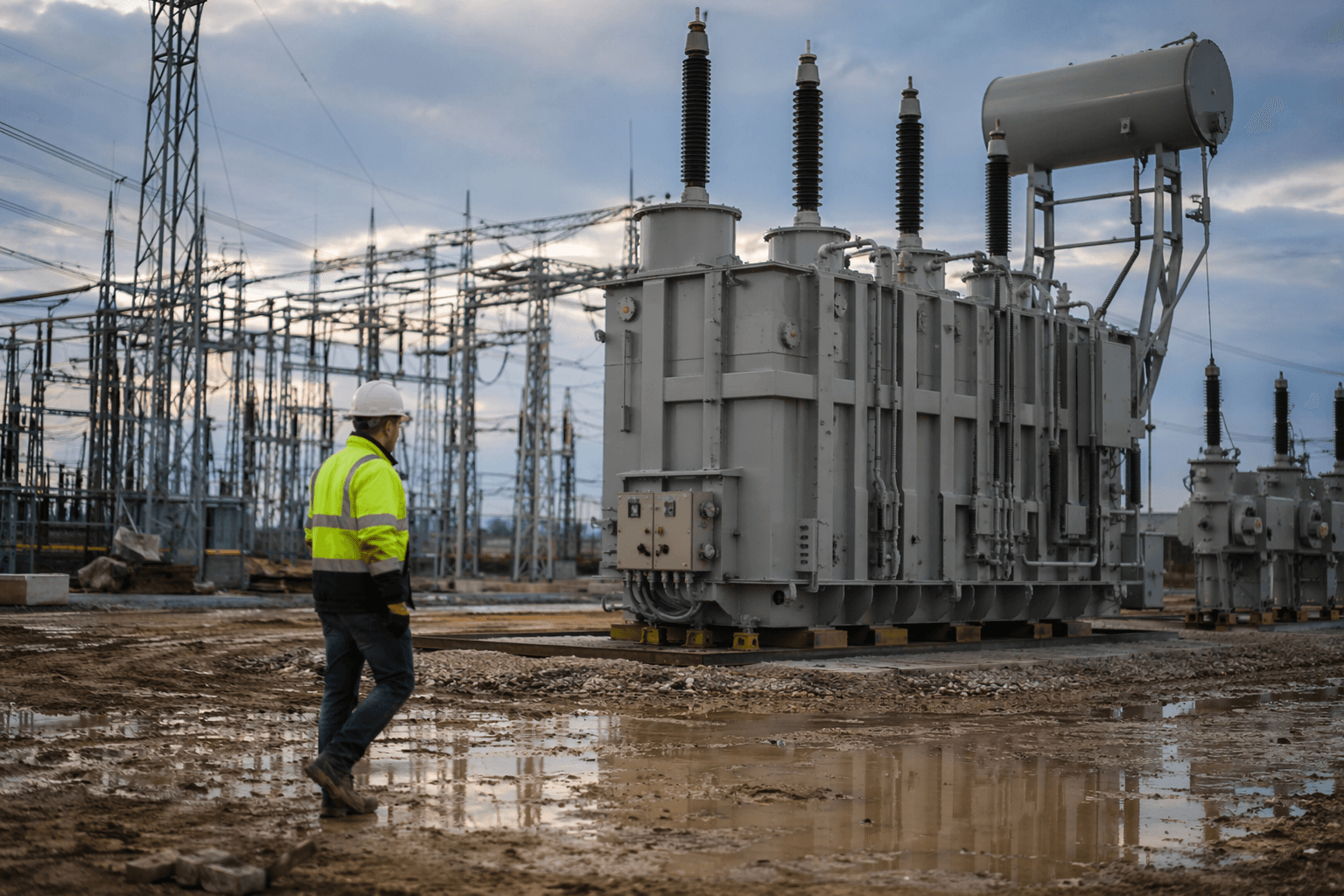
Lead times for some high-voltage transformers have stretched from about a year in 2020 and 2021 to multiple years now, forcing utilities and developers to place orders far in advance and compete for the same factory slots.
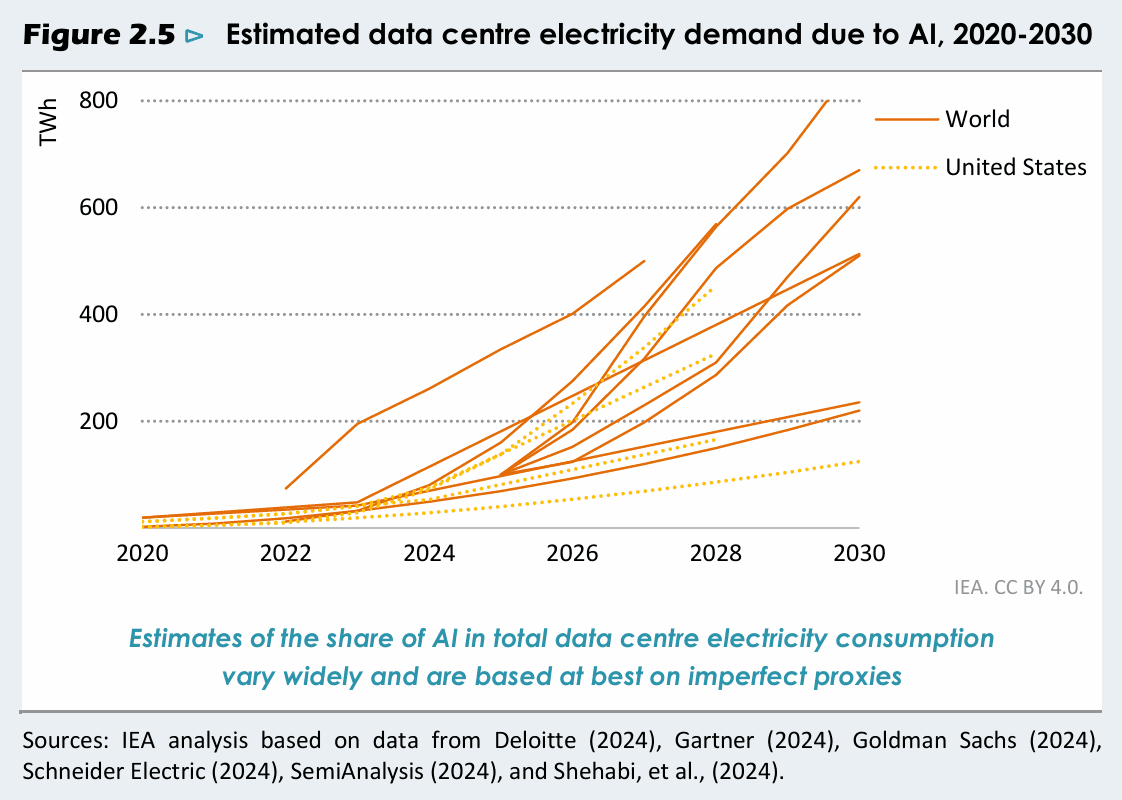
Ben Boucher, a Wood Mackenzie analyst: “Equipment availability is becoming the biggest concern for developers as they value time to market so highly.” Wood Mackenzie estimates the U.S. data center electrical equipment market could grow from about $20 billion to $65 billion by 2030, while data center capacity rises from roughly 24 gigawatts now to 110 gigawatts. Under accelerated scenarios, data centers could capture up to 40% of the U.S. electrical equipment market, up from just under 2% in 2020.
That surge is already reshaping the priorities of utilities, industrial users and data-center developers that all need the same long-lead-time components. Ordinary utility work, including substation upgrades, transmission projects and replacement of aging gear, depends on the same limited supply chain.
FERC had already acted on PJM Interconnection in February 2025, seeking clearer rules for AI-driven data centers and other large loads co-located with generation. PJM serves more than 67 million Americans across 13 states and Washington, D.C. In June, FERC's effort was aimed at faster service without sacrificing reliability or fairness for existing customers.
Strong load growth from data centers is pushing North American electricity-demand forecasts higher, and the North American Electric Reliability Corporation's 2025 Long-Term Reliability Assessment projected summer peak demand would grow by 224 gigawatts over 10 years, with new data centers accounting for most of the increase.
This article was produced by Prism’s automated news system from verified source data, official records, and press releases, then run through automated quality and moderation checks before publishing. The system is built and supervised by the people who set the standards it runs under. Read our full AI policy.
Did this article answer your question?