AI data centers drive automakers like GM and Ford into energy storage
AI data centers are turning power access into a competitive moat, pushing GM and Ford into batteries, backup systems, and grid-scale storage. U.S. data-center use could hit 580 TWh by 2028.

The AI buildout is doing more than filling server farms. It is pulling automakers, battery startups, utilities, and grid planners into the same business: making sure there is enough power, and enough stored power, when demand spikes. General Motors and Ford are moving into energy storage because the electricity needs of data centers are becoming too large, too fast, and too concentrated for traditional industrial players to ignore.
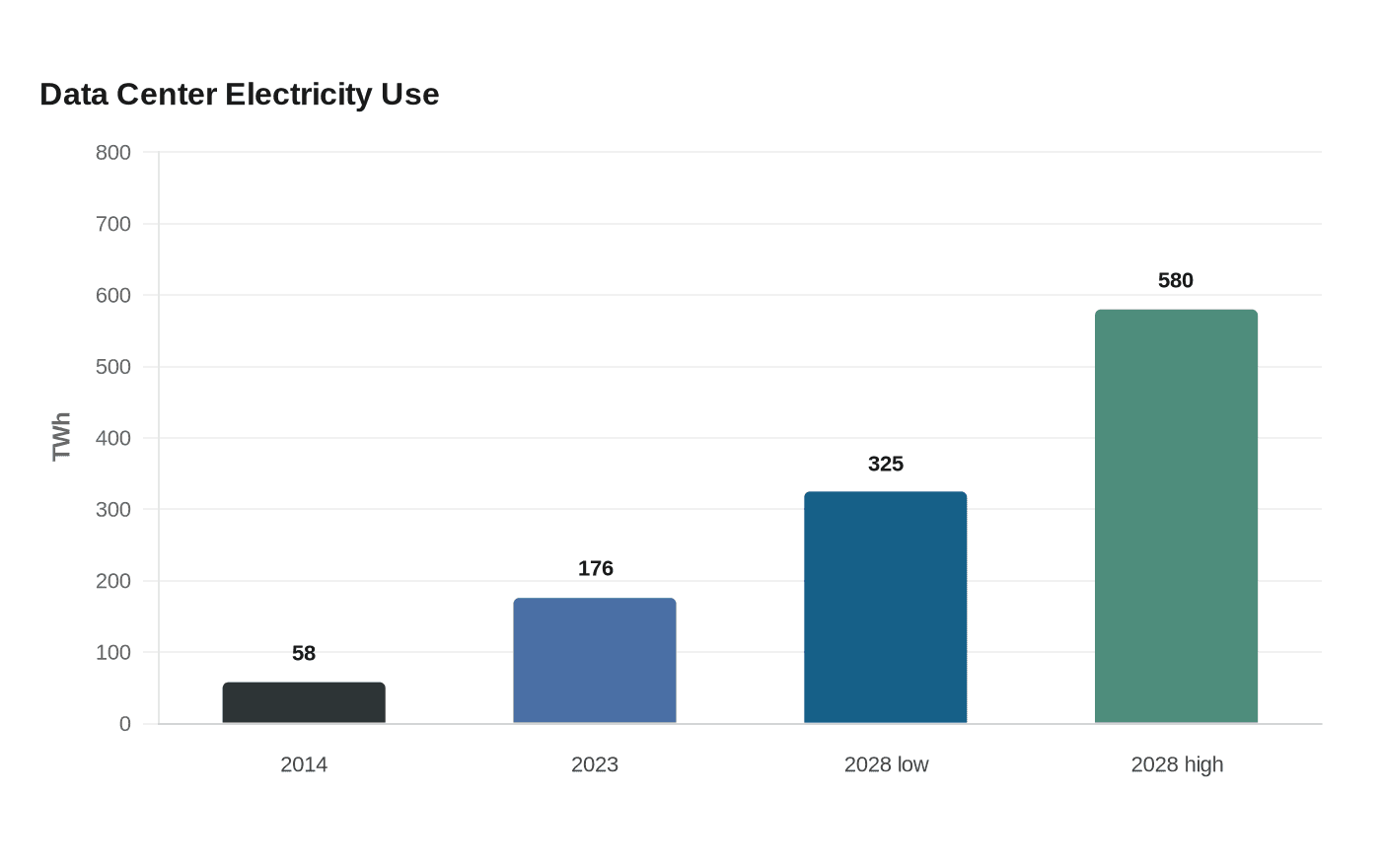
U.S. data-center electricity use rose from 58 terawatt-hours in 2014 to 176 TWh in 2023, according to Lawrence Berkeley National Laboratory. The lab projected consumption could reach 325 TWh to 580 TWh by 2028, a range that would put data centers at 6.7% to 12% of total U.S. electricity use, depending on broader economic growth. The International Energy Agency says data centers account for nearly half of electricity demand growth in the United States between now and 2030, while global investment in data centers nearly doubled since 2022 to about half a trillion dollars in 2024.
That surge is reshaping where power demand lands. The U.S. Energy Information Administration said commercial electricity demand has grown fastest in states with rapid data-center development, with Virginia and Texas leading the pack. Virginia added nearly 30 million megawatt-hours of commercial electricity sales between 2019 and 2025, and North Dakota stood out for the fastest relative growth. The pattern shows how AI infrastructure is concentrating load in a handful of markets that now need not just generation, but storage, backup and transmission capacity.
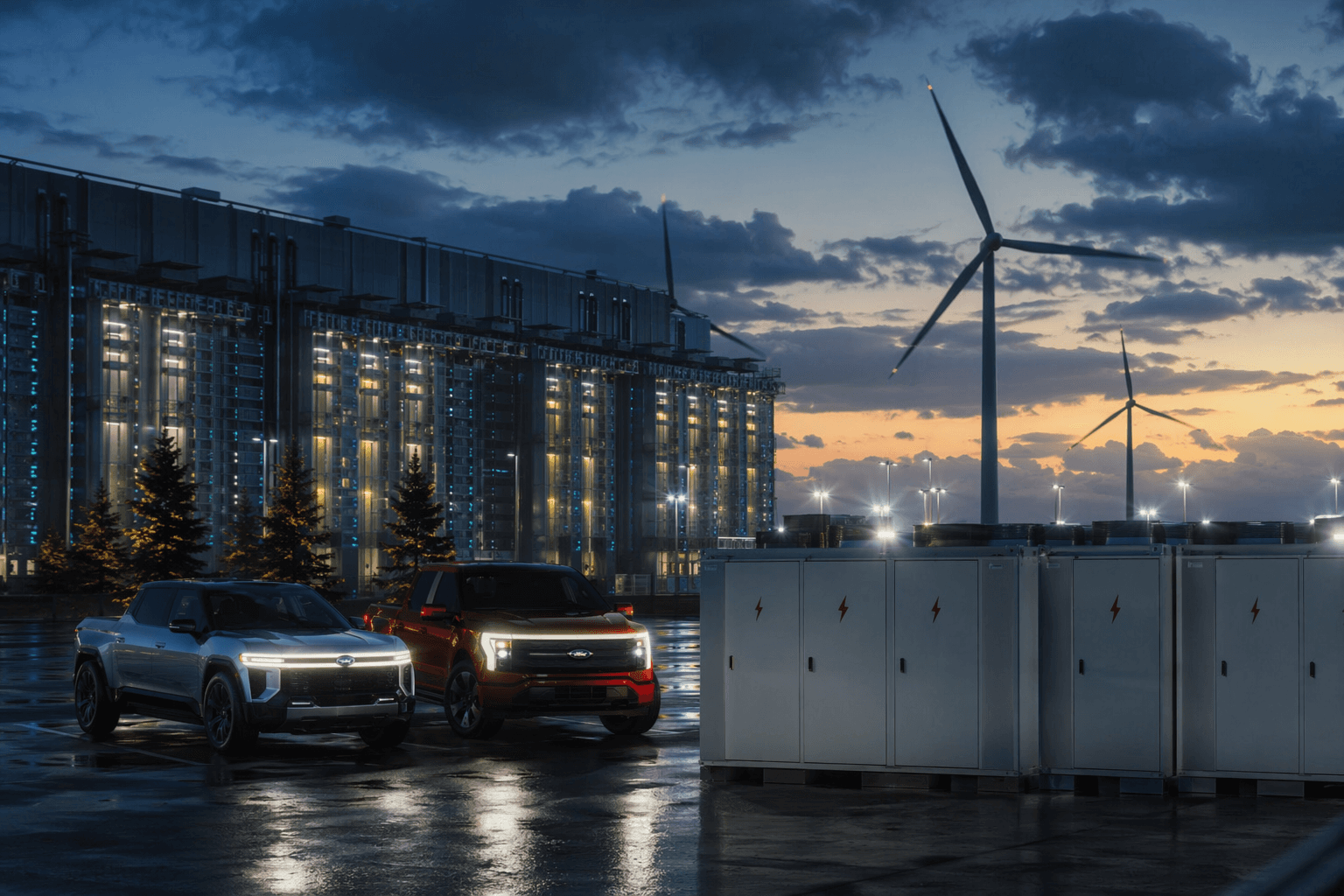
Ford has already made the clearest move. The company announced Ford Energy, a wholly owned subsidiary that will provide U.S.-assembled battery energy storage systems for utilities, data centers, and large industrial and commercial customers. Ford said the unit plans to deploy at least 20 gigawatt-hours annually, with first customer deliveries expected in late 2027. The move gives Ford a way to monetize battery expertise beyond vehicle sales at a time when EV growth is slowing.
GM is also expanding into the same territory. The company is working on next-generation sodium-ion batteries and partnering with startup Peak Energy as it positions itself for stationary energy storage, according to battery chief Kurt Kelty. For automakers, the logic is straightforward: if AI data centers are driving the next wave of electricity demand, then the companies that can store, smooth and deliver that power will gain leverage well outside the car business.
This article was produced by Prism’s automated news system from verified source data, official records, and press releases, then run through automated quality and moderation checks before publishing. The system is built and supervised by the people who set the standards it runs under. Read our full AI policy.
Know something we missed? Have a correction or additional information?
Submit a Tip