US inflation hits 4.2% as gasoline costs jump on Iran war
Gasoline jumped 8.8% to $4.60 a gallon in May, pushing U.S. inflation to 4.2% and intensifying pressure on households and the Fed.
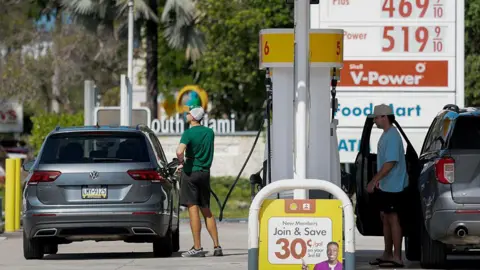
Higher gasoline and energy bills are squeezing households as the Middle East war pushes U.S. inflation back to a three-year high. The Consumer Price Index rose 4.2% in the 12 months through May 2026, up from 3.8% in April, while the national average gasoline price climbed 8.8% in May to $4.60 a gallon.
The U.S. Bureau of Labor Statistics said prices increased 0.5% from April to May, with energy up 3.9% in the month and accounting for more than 60% of the gain in the all-items index. Core CPI, which excludes food and energy, rose 2.9% from a year earlier, showing that the sharpest pressure is still coming from fuel and other volatile energy costs rather than a broad-based surge across the economy.
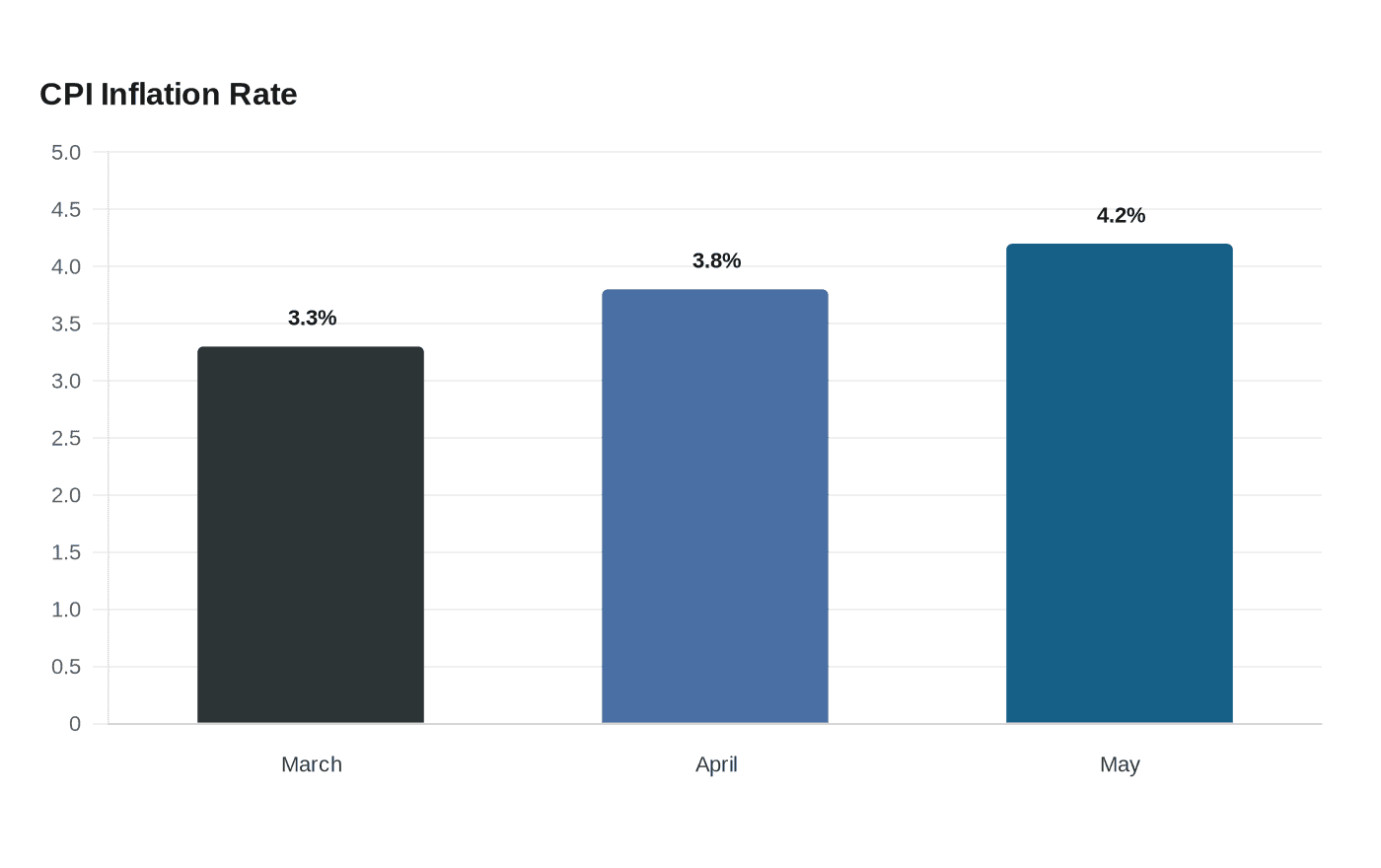
The latest reading was the highest since April 2023 and extended a three-month acceleration from 3.3% in March to 3.8% in April and 4.2% in May. That leaves inflation well above the Federal Reserve’s 2% target and gives policymakers little room to declare victory over price pressures. Economists said the hotter print strengthens the case for the Fed to keep interest rates unchanged this year, especially if gasoline and broader energy prices ease under the ceasefire.
The bigger issue is whether May was a one-month spike or the first sign of a broader second wave of inflation. Some economists said May could mark the peak if prices keep retreating, but the World Bank Group has projected energy prices will surge 24% in 2026, to their highest level since 2022, because of the war in the Middle East. If that forecast holds, the shock will not stop at the gas station. It will keep feeding through transportation costs, utility bills and the prices consumers pay in stores, turning a geopolitical conflict into a more persistent household squeeze.
This article was produced by Prism’s automated news system from verified source data, official records, and press releases, then run through automated quality and moderation checks before publishing. The system is built and supervised by the people who set the standards it runs under. Read our full AI policy.
Know something we missed? Have a correction or additional information?
Submit a Tip