AI deployment is sharpening a comeback in labor organizing and unrest
A prominent commentary warns accelerating AI could spark renewed large-scale labor organizing; experts point to both big productivity gains and heightened risks for jobs and inequality.
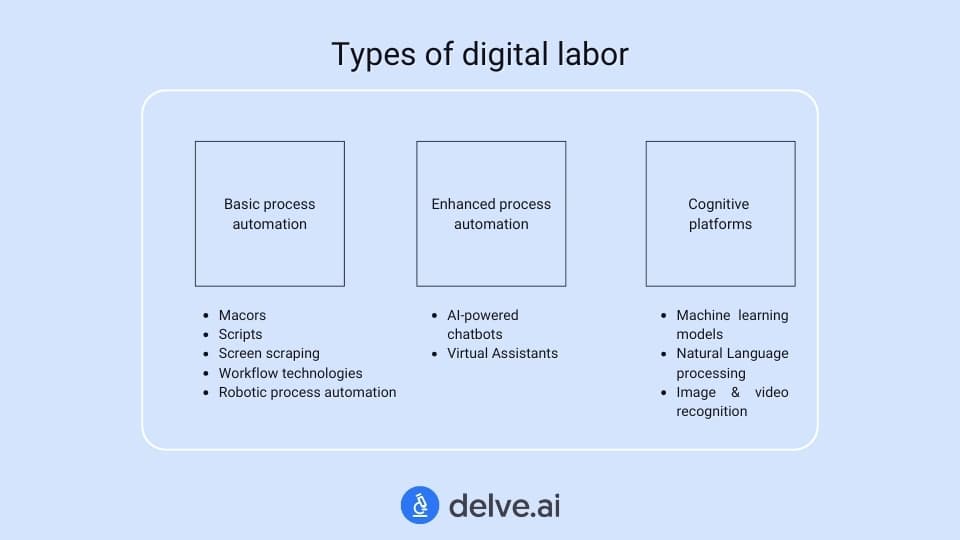
A prominent commentary published Feb. 22, 2026 warns that the accelerating deployment of artificial intelligence across industries is creating conditions for renewed, large-scale labor organizing and unrest, setting up a clash between rapid productivity gains and fresh worker pushback.
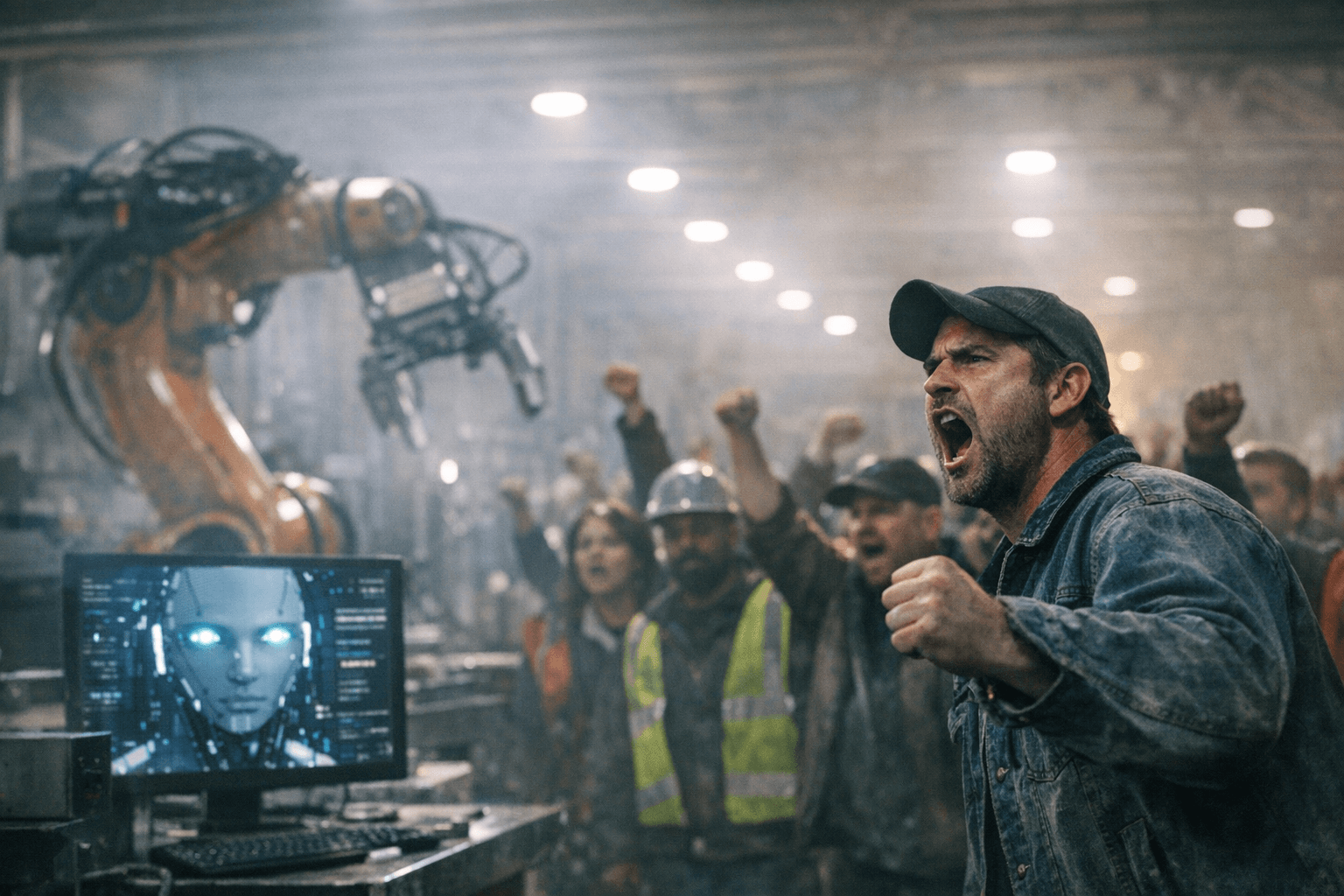
The argument arrives as public debate about AI's workplace effects intensifies. Coverage this year has framed 2026 as an anxious moment for workers. "In 2026, it’s a scary time to work for a living," a Guardian analysis notes, and the piece links today's unease to the visible organizing drives of the early 2020s, "unionization efforts at Amazon warehouses and Starbucks locations around the US" and the record exodus of the Great Resignation. "It was not a pretty time for a lot of workers. And so part of the resurgence of labor organizing from that period of time was in response to a lot of fears," Kresge said in that report.
At the same time, policy and economic advisers point to striking macroeconomic upside from AI. An IEDC excerpt cites a Nielsen study reporting a 66% increase in employee productivity tied to generative AI tools and a McKinsey estimate that AI could contribute up to $13 trillion to the global economy by 2030. Those figures help explain why corporations and investors are racing to deploy generative models in customer service, content creation, and back-office automation.
The tension is explicit: vendors tout efficiency while nonprofit and policy groups warn of labor dislocation. myOneFlow, a workforce-technology vendor, lists AI benefits in plain terms: "AI can automate repetitive tasks, allowing workers to focus on higher-value activities," and adds that "new industries and roles may emerge due to AI-driven innovation." But the same vendor flags risks: "Job displacement: Automation may lead to job losses, particularly in sectors that rely heavily on manual labor" and warns of "widening income inequality" if gains concentrate among highly skilled workers.
Those competing forces are driving concrete prescriptions from unions, governments, and employers. myOneFlow recommends union-led programs to "upskill workers: Unions can provide training programs to help members acquire the skills needed to thrive in an AI-driven job market," and even suggests labor advocacy for universal basic income: "Advocating for universal basic income (UBI): Labor unions can push for policies like UBI, providing a financial safety net for all citizens and ensuring that no one is left behind in the face of technological disruption."
IEDC-style guidance centers on preparedness and worker well-being, urging counseling and support services, comprehensive change-management programs, and investments in education and reskilling. "The psychological well-being of workers affected by AI implementation must be a priority for businesses and policymakers," the excerpt states, framing adaptation as both a labor-market and public-health issue.
The combined picture is a policy and market fault line. Rapid productivity improvements, the 66% Nielsen figure is the startling share many executives will point to, can boost corporate margins and GDP forecasts, but they also raise the prospect of concentrated gains that could fuel organizing, strikes, and demands for new social insurance. As one Guardian commentator put it, cautiously optimistic about the political upside, “I’m hopeful about the opportunity for technology to lift up some of the issues that have been under way in our economy for decades … in terms of how workers are treated and how we are distributing the rewards of productivity.”
Important caveats remain: the Feb. 22 commentary excerpt is truncated in the material reviewed and lacks an identified author or outlet, and the cited studies appear in excerpts without full methodological detail. Still, the explicit mix of big productivity numbers, vendor playbooks, and union-forward policy proposals points to an imminent, practical debate over whether AI will amplify inequality or catalyze a reassertion of worker power. The outcome will shape wages, corporate strategy, and the risk of disruptive labor actions across sectors.
This article was produced by Prism’s automated news system from verified source data, official records, and press releases, then run through automated quality and moderation checks before publishing. The system is built and supervised by the people who set the standards it runs under. Read our full AI policy.
Know something we missed? Have a correction or additional information?
Submit a Tip