AI memory shortage may last until 2030 as demand outpaces supply
AI demand has pushed DRAM supply to a point where makers may meet only 60% of demand by 2027, and memory could soon take 40% of low-end phone costs.
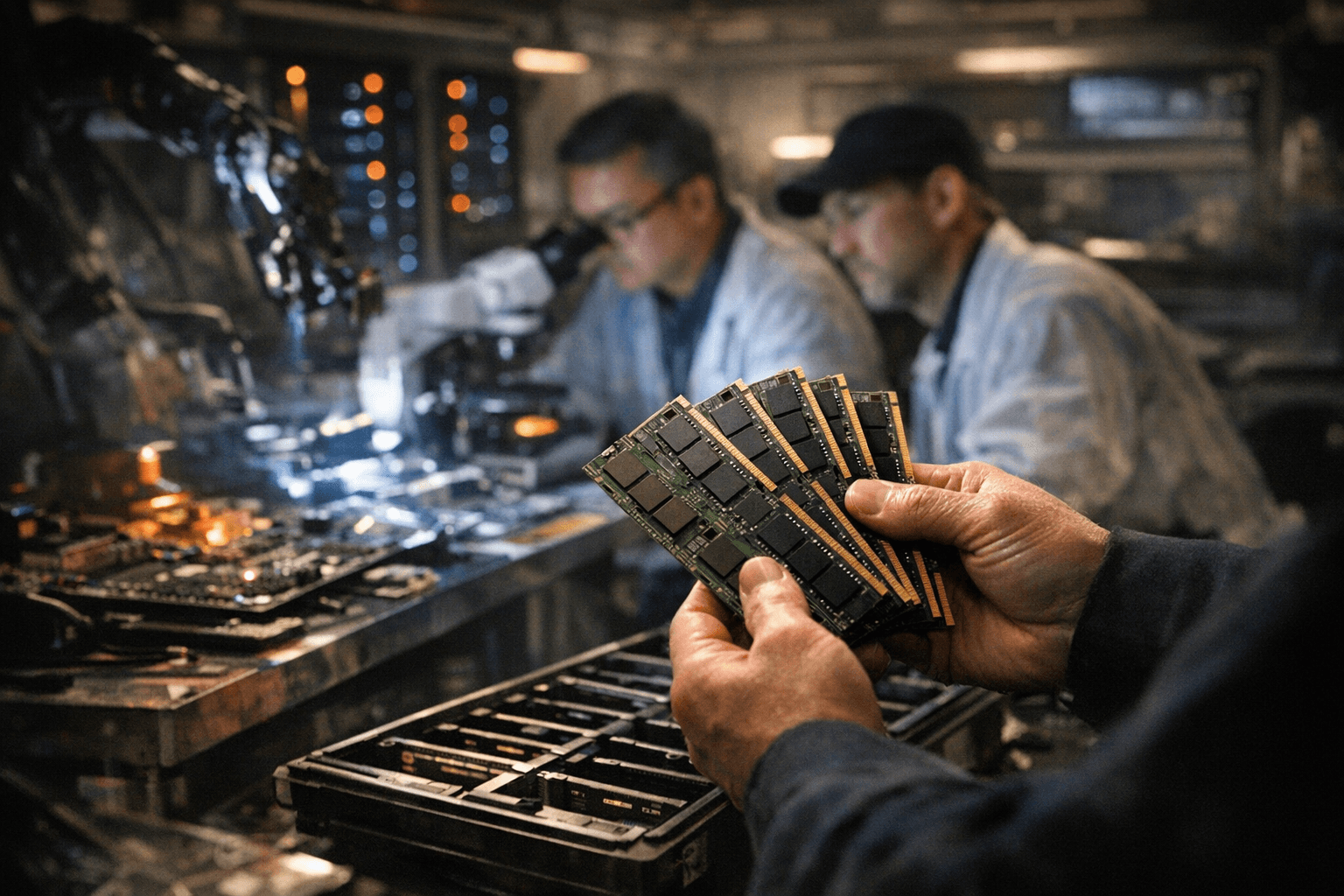
A prolonged DRAM squeeze is moving the cost of the AI boom beyond data centers and into the devices and services ordinary buyers use every day. Memory makers are still trying to add output, but supply is expected to reach only 60% of demand by the end of 2027, a gap that points to tighter allocations for AI accelerators first and higher costs for laptops, phones, cars and cloud contracts after that.
The shortage is being driven by surging AI demand, especially for high-bandwidth memory used in AI accelerators. That gives the biggest cloud buyers and chip designers the first claim on scarce parts, while smaller businesses and consumer electronics makers are left to compete for what remains. Reports based on Nikkei Asia said memory could account for about 40% of low-end smartphone manufacturing costs by mid-2026, up from about 20% now, a jump that would squeeze margins and raise prices across budget handsets and other mass-market devices.
South Korea’s SK Group chairman Chey Tae-won said on March 16, 2026, at Nvidia’s GTC conference in San Jose, California, that the global chip wafer shortage could last until 2030 as artificial intelligence demand continues to outpace supply. Chey’s warning underscored how long the imbalance may linger even as Samsung Electronics, SK Hynix and Micron Technology work to expand capacity. The three companies are the largest memory makers and are all adding production, but not fast enough to close the gap quickly.
The market is already adjusting to scarcity. Industry reporting says DRAM sales are shifting toward longer-term supply contracts, a sign that buyers are trying to lock in chips before prices move higher. Some reports have said Samsung discussed raising DRAM supply prices by more than 40%, and market expectations suggest the current super-cycle could last at least until 2027. For households, that means the AI buildout is no longer just a story about faster models and larger servers. It is increasingly a story about who pays more for the memory inside the everyday technology people depend on, and who gets left at the back of the line.
This article was produced by Prism’s automated news system from verified source data, official records, and press releases, then run through automated quality and moderation checks before publishing. The system is built and supervised by the people who set the standards it runs under. Read our full AI policy.
Did this article answer your question?