AI study reveals thymus health may predict longevity, cancer risk
AI analysis of routine chest scans linked healthier thymus tissue to longer survival, lower cancer risk and better immunotherapy outcomes.
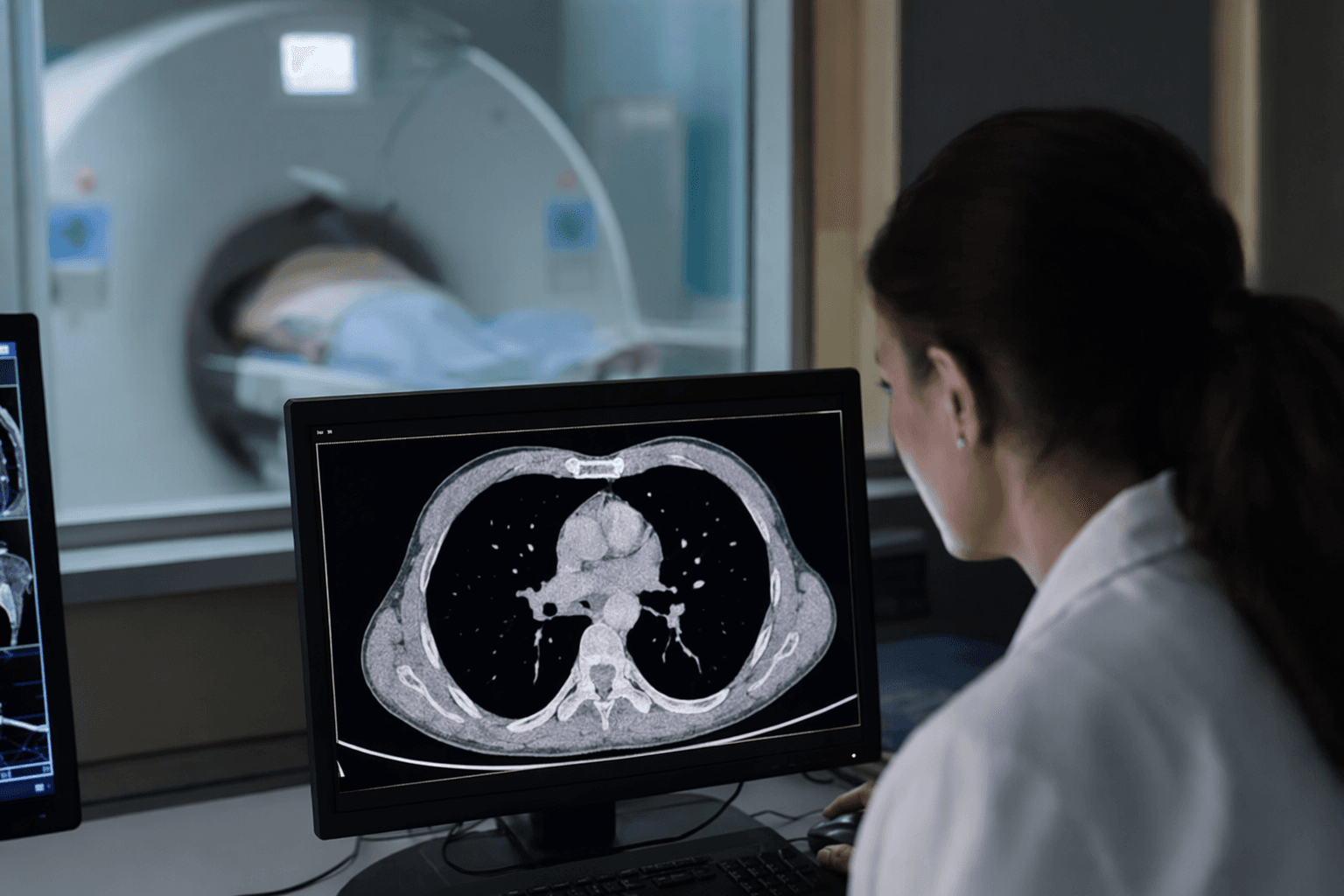
The thymus, a small organ behind the breastbone that trains T cells, is drawing new attention because an AI score derived from routine CT scans was tied to survival, cancer outcomes and cardiovascular death in adults.
In two Mass General Brigham studies published in Nature on March 18, 2026, researchers analyzed data from more than 25,000 adults in the National Lung Screening Trial and 2,581 people in the Framingham Heart Study. Higher thymic health was associated with lower all-cause mortality, lower lung cancer incidence and lower cardiovascular mortality in the larger trial, even after adjusting for age, sex, smoking and comorbidities. In Framingham, the same pattern held for cardiovascular death after accounting for age, sex and smoking.
The findings challenge a long-held medical assumption that the thymus becomes mostly irrelevant after puberty as it shrinks with age. Instead, the organ appears to reflect something deeper about immune resilience. The research linked thymic health with systemic inflammation, metabolic dysregulation, smoking, obesity and physical activity, suggesting that the organ may track how well the immune system is aging rather than simply how old a person is.
The cancer analysis pointed in the same direction. Researchers examined nearly 3,500 real-world patients treated with immune checkpoint inhibitors, then looked closely at just over 1,200 people with non-small cell lung cancer. In that group, higher thymic health was associated with a 35% lower risk of cancer progression and a 44% lower risk of death. The signal also extended to melanoma, renal cancer and breast cancer.
Hugo Aerts, director of the Artificial Intelligence in Medicine Program at Mass General Brigham and a corresponding author, said the thymus may help explain why people age differently and why some cancer treatments fail. That is still an early-stage idea, but it could matter clinically if the score proves reliable across hospitals and patient groups. Because the measure came from standard CT scans, researchers say thymic health could eventually become a non-invasive biomarker of adaptive immune competence, potentially used alongside existing markers such as PD-L1 and tumor mutational burden.
For now, the science is observational, not causal. It does not show that changing the thymus will lengthen life or improve treatment on its own. But it does give an overlooked organ fresh relevance in two high-stakes areas of medicine: aging and immunotherapy, where better risk prediction could shape who gets screened, who gets treated and how health systems judge immune decline.
This article was produced by Prism’s automated news system from verified source data, official records, and press releases, then run through automated quality and moderation checks before publishing. The system is built and supervised by the people who set the standards it runs under. Read our full AI policy.
Did this article answer your question?