Autism advocates blast RFK Jr. over misinformation, stigmatizing rhetoric
RFK Jr.’s autism remarks sparked backlash as advocates warned that stigma, privacy fears and federal distrust could shape care for families and clinicians.
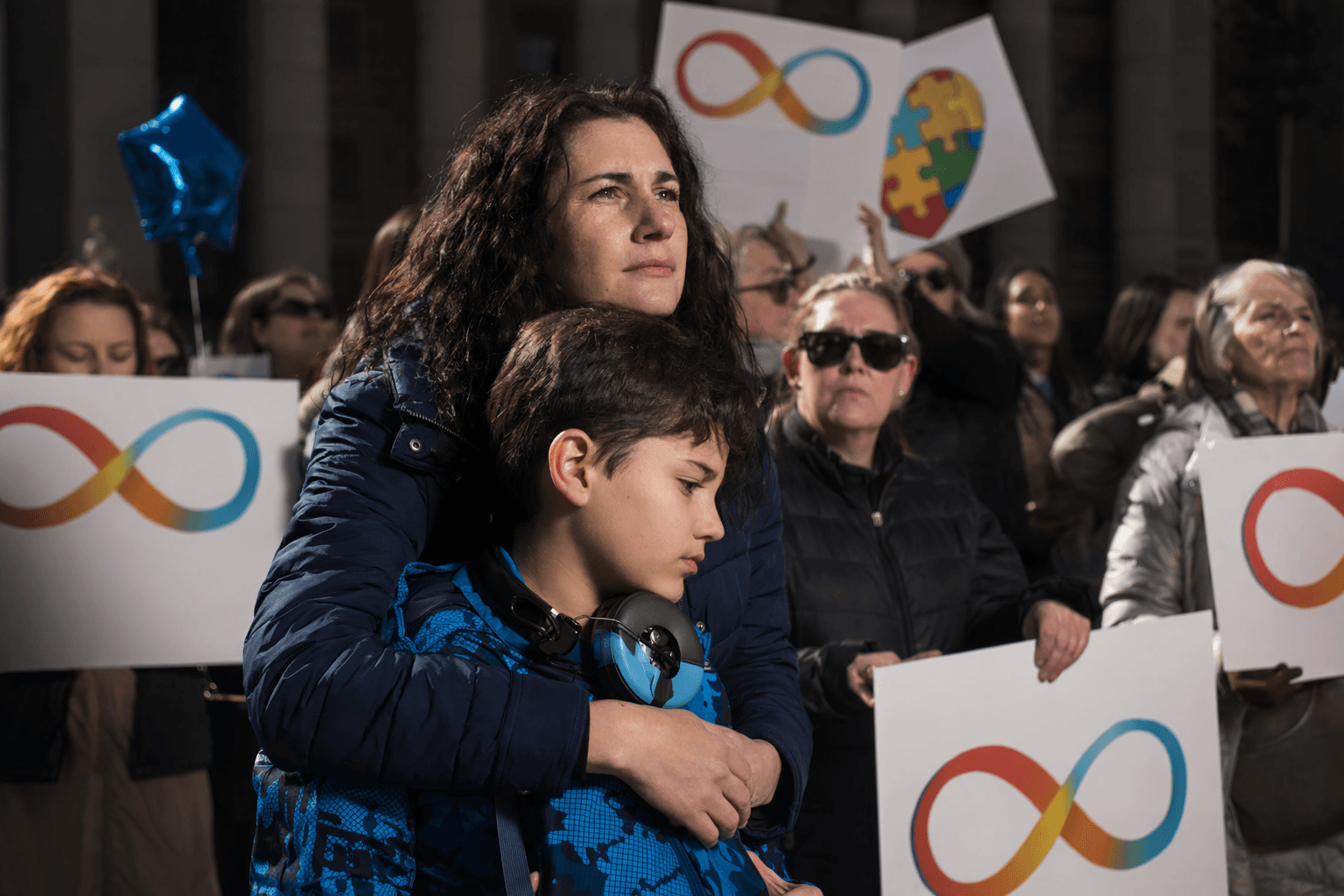
Autism advocates say Robert F. Kennedy Jr. is turning rising diagnosis numbers into a misleading story about disease and contamination, and the damage is not limited to rhetoric. They warn that his framing is reshaping how parents hear autism science, how clinicians explain it and how much trust families place in federal health agencies.
At an April 16, 2025 press conference, Kennedy cited new Centers for Disease Control and Prevention autism data and said prevalence had climbed from 1 in 36 children to 1 in 31, calling it an “autism epidemic” and pledging to investigate environmental causes. The CDC’s autism data page later said about 1 in 31, or 3.2%, of U.S. children age 8 had been identified with autism, based on the Autism and Developmental Disabilities Monitoring Network.
Advocates said Kennedy’s language crossed a line from policy debate into stigma. The Autistic Self Advocacy Network called his comments “dangerous” and “ableist,” while the Autism Society of Minnesota rejected the premise that autism is a preventable disease caused by toxins. “Autism is not a disease. It is not an epidemic. It is not a tragedy,” the group said.
The controversy widened in late April, when National Institutes of Health Director Jay Bhattacharya discussed creating a new autism disease registry. That suggestion triggered immediate backlash from public health, disability rights and civil liberties groups, who raised privacy concerns and demanded clearer safeguards. The U.S. Department of Health and Human Services later said, “We are not creating an autism registry,” and described a real-world data platform that would link existing datasets instead.

For clinicians and researchers, the fight is about more than words. More than 5,400 current and former HHS, CDC and NIH employees signed an open letter criticizing Kennedy’s rhetoric as dangerous and deceitful, a sign of how deeply the dispute has spread inside the public health establishment. The concern is that repeated claims about environmental causes and preventable disease will push families toward fear and false certainty, while pulling attention away from established evidence.
That evidence points in a different direction. Autism diagnoses have risen sharply over time, but the scientific consensus is that much of the increase reflects better screening, broader diagnostic criteria and improved access to services, not proof of a new disease caused by a single environmental exposure. In that gap between federal messaging and medical consensus, advocates say, lies the risk of lasting harm.
This article was produced by Prism’s automated news system from verified source data, official records, and press releases, then run through automated quality and moderation checks before publishing. The system is built and supervised by the people who set the standards it runs under. Read our full AI policy.
Did this article answer your question?