FDA, USDA move to define ultra-processed foods, yogurts and peanut butters may qualify
A federal definition could put some flavored yogurts and peanut butters in the ultra-processed lane, reshaping labels, school meals and grocery shelves.

A federal line around ultra-processed foods could reach into yogurt cups and peanut butter jars, turning a kitchen-table debate into a labeling fight with school and budget consequences. The U.S. Food and Drug Administration and the U.S. Department of Agriculture have begun the formal work of writing a uniform definition, a move that could ripple through grocery aisles, procurement contracts and nutrition policy.
In July 2025, the two agencies issued a Request for Information seeking data to help shape a single federal standard. The Federal Register notice said a uniform definition would improve consistency in research and policy, and the departments tied the effort to growing concern over diet-related chronic disease. FDA later extended the public comment period, giving industry, scientists and advocates more time to press competing views of where the line should fall.
The push has become a signature priority of the Make America Healthy Again agenda led by Health and Human Services Secretary Robert F. Kennedy Jr. and Agriculture Secretary Brooke L. Rollins. Kennedy said on the Joe Rogan Experience in early 2026 that a federal definition would arrive by April 2026, and he has also floated the idea of front-of-package nutrition labeling tied to that definition. FDA said in 2025 that it was partnering with the National Institutes of Health on a joint Nutrition Regulatory Science Program that would examine ultra-processed foods.

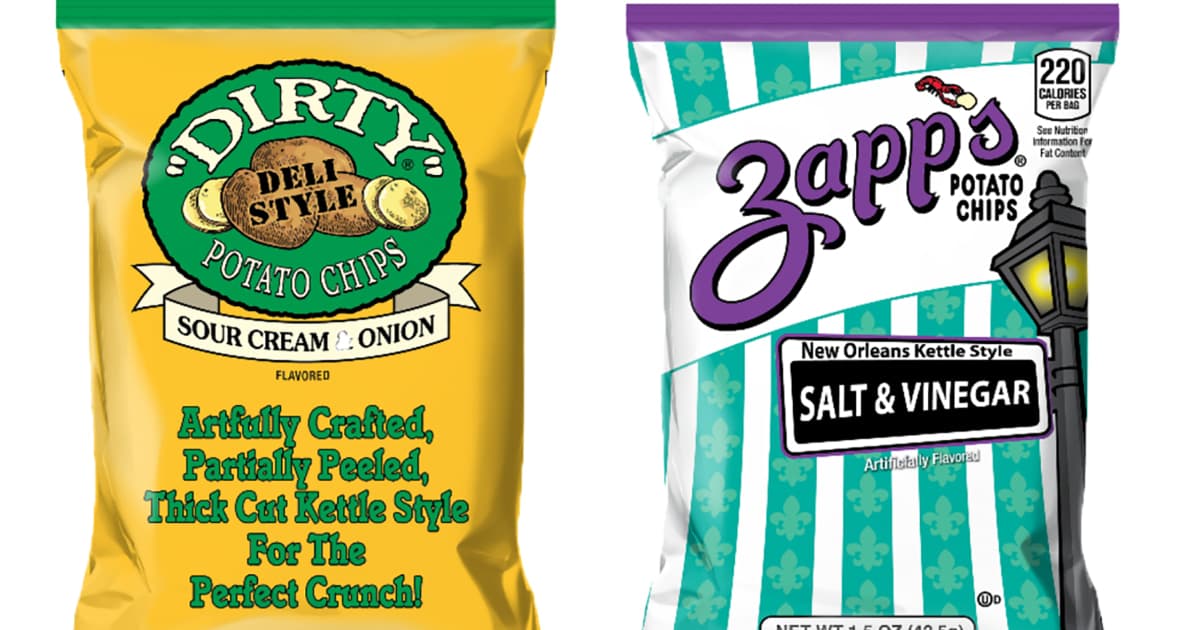
The fight is about more than terminology. There is still no single authoritative U.S. legal definition of ultra-processed foods, even though the NOVA system is widely used by researchers to sort foods by the extent and purpose of industrial processing. Under that framework, some products many shoppers view as ordinary or even healthy can land in the ultra-processed category, including certain flavored yogurts and some peanut butters if they contain added sugars, emulsifiers or other additives.
That is why the coming definition carries real stakes for families and manufacturers. A strict federal standard could influence what appears on packages, what schools buy, and how federal nutrition programs evaluate packaged foods. It could also redraw the reputation of staples that sit in lunch boxes and breakfast bowls every day. Supporters say a tighter definition is overdue because ultra-processed foods have been linked to chronic disease. Critics warn that an overly broad rule could sweep in minimally processed staples and make enforcement and procurement harder.
Kennedy has described the effort as the first federal definition of ultra-processed foods in history. However Washington draws the line, it is likely to become a major test of how far the government is willing to go in regulating the industrial food supply, and how much families will see that fight reflected in their carts and budgets.
This article was produced by Prism’s automated news system from verified source data, official records, and press releases, then run through automated quality and moderation checks before publishing. The system is built and supervised by the people who set the standards it runs under. Read our full AI policy.
Did this article answer your question?