Drug makers ask Supreme Court to block mifepristone mail-order ban
A ruling could force mifepristone back to in-person pickup nationwide, cutting off mail-order access and telehealth for patients in states where clinics are scarce.

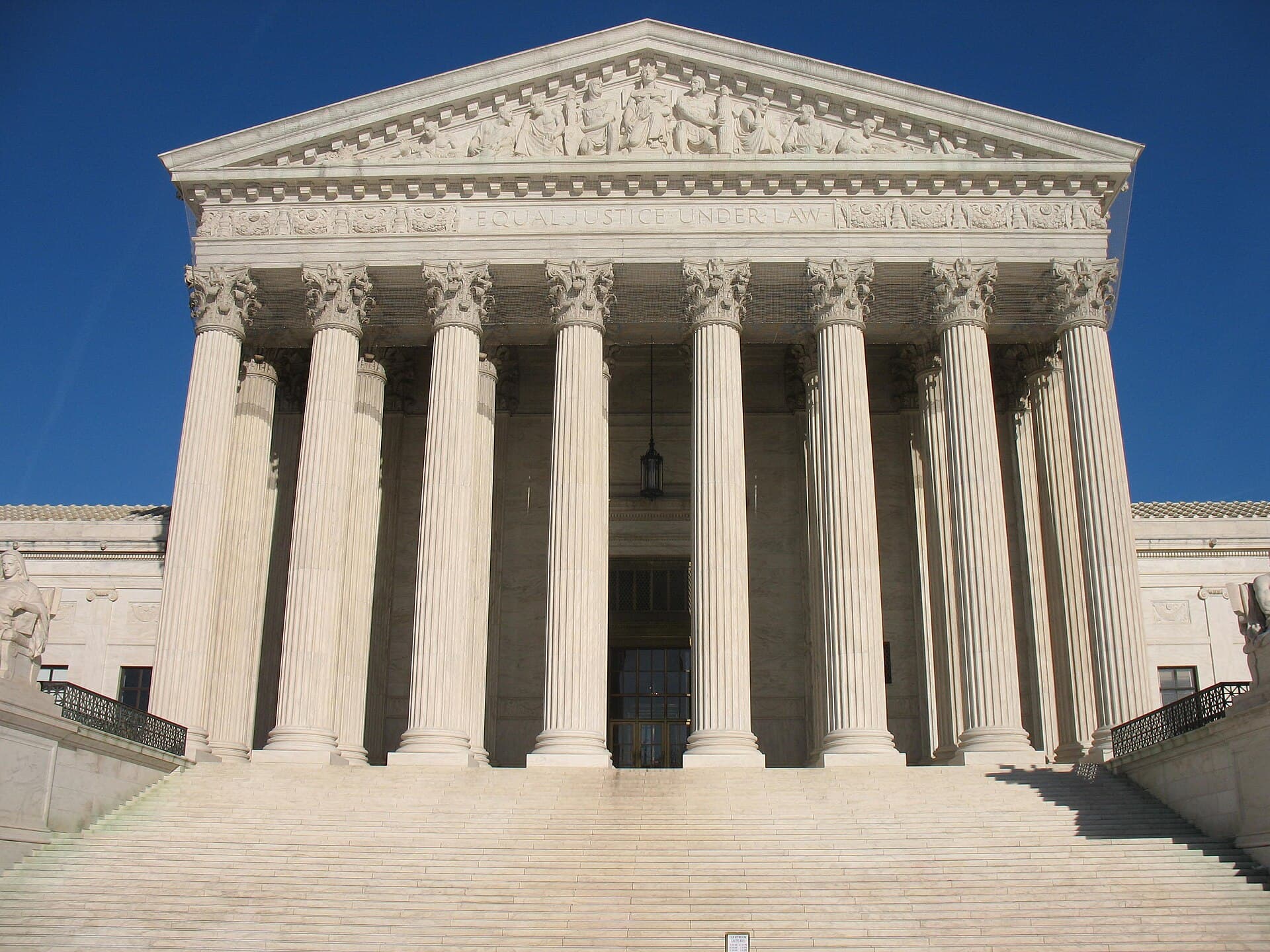
A pair of drug makers asked the Supreme Court to stop a ruling that would push mifepristone back into clinics and away from the mail, a change that could hit patients hardest where abortion care is already difficult to reach. The emergency appeal from Danco Laboratories and GenBioPro sought an immediate administrative stay after the 5th U.S. Circuit Court of Appeals reinstated a prior Food and Drug Administration rule requiring the pill to be dispensed in person at a health center.
The practical effect of the New Orleans-based court’s 3-0 decision is sweeping: it blocks telehealth prescribing and mail delivery of mifepristone nationwide, including in states where abortion remains legal. That would matter far beyond abortion care itself. Mifepristone is also used for miscarriage management and other non-abortion purposes, so the order would reach patients who never sought an abortion but rely on the drug for reproductive health care.
The companies told the justices that without intervention the ruling would create “immediate chaos” and asked the court to take up the dispute before its summer recess. Their filing came a day after the appeals court acted. The Supreme Court had already turned away a similar challenge in 2024, but on standing grounds, leaving the underlying restrictions unresolved.
The case now places the court at the center of a larger fight over who gets to set the rules for one of the most widely used medicines in the country. Mifepristone is used in nearly two-thirds of U.S. abortions, and about one-quarter of patients depend on telehealth to obtain it. If the 5th Circuit’s order stands, those patients would lose a delivery channel that has become central to abortion access in rural areas and in states where clinics are few.
Advocates on both sides framed the ruling as a test of national consequences. The American Civil Liberties Union said the order would upend miscarriage and abortion care nationwide and would especially harm rural communities, low-income patients, disabled people, survivors of intimate partner violence, and communities of color. Anti-abortion leader Marjorie Dannenfelser called it a “huge victory.”
The litigation is tied to Louisiana, where abortion is banned in nearly all circumstances, and it lands as the Trump administration reviews mifepristone policy, a process that could open the door to still more restrictions. For now, the question before the justices is whether a lower court can effectively rewrite long-standing FDA drug rules for the entire country, and whether patients who depend on telehealth and mail-order care will be forced back to in-person access.
This article was produced by Prism’s automated news system from verified source data, official records, and press releases, then run through automated quality and moderation checks before publishing. The system is built and supervised by the people who set the standards it runs under. Read our full AI policy.
Did this article answer your question?