Death doulas gain popularity as families seek end-of-life support
Families are turning to death doulas for the human support hospitals often cannot give. Their rise exposes the strain in hospice and the limits of end-of-life care.
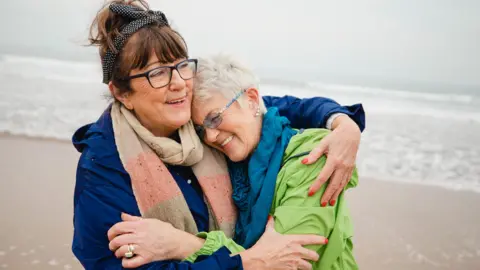
Hospitals can manage symptoms and coordinate discharge, but many families still leave the bedside with questions medicine does not answer: Who will help explain the process? Who will sit through the long vigil? Who will make room for grief, fear, memory and unfinished conversations?
That gap is where death doulas have found a growing role. Also called end-of-life doulas, death midwives, departure doulas, transition guides or death coaches, they are non-medical supporters who offer emotional, spiritual, informational and practical help to dying people and their families. Their work can begin at diagnosis, continue through active dying and, in some cases, extend after death.
What a death doula does
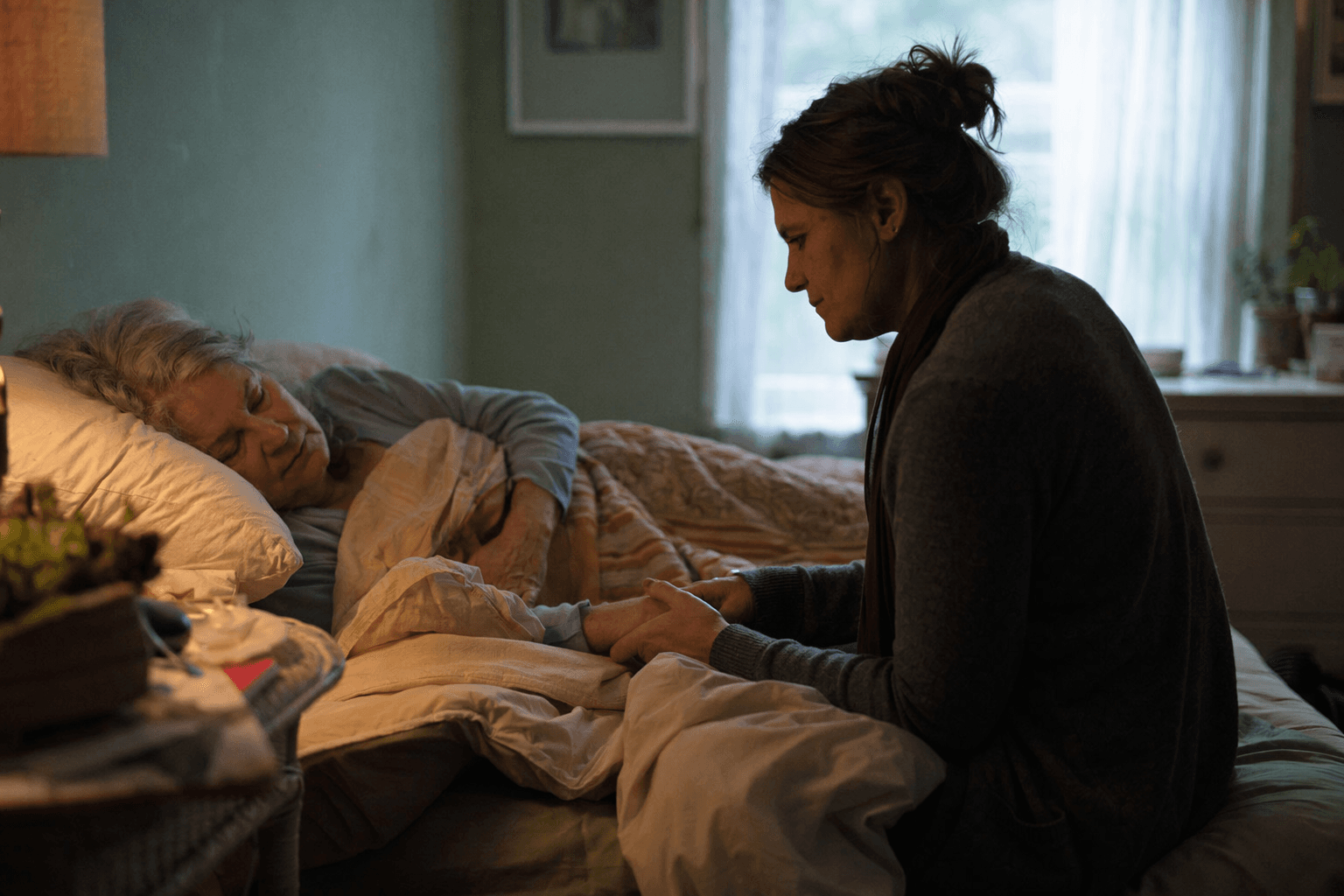
A death doula’s job is to bring steadiness to a moment when families often feel scattered. That can include comfort measures, advance-care-planning conversations, advocacy, legacy work and help sorting out the decisions and logistics that surround dying. Some families want help writing letters, recording stories or preparing for a vigil. Others need someone who can translate confusing medical language into plain speech and stay present when the room feels overwhelming.
Compassion & Choices describes doulas as part of an individual’s care team, and that framing matters. The role is not meant to replace clinicians. It is meant to give people more continuity, more clarity and more death literacy, so the final stage of life is less isolating and less mysterious.
What they do not do
Death doulas are not doctors, nurses or hospice workers, and they do not diagnose, prescribe or perform medical care. They do not replace palliative medicine, hospice services or spiritual care from clergy, though they may work alongside all of them.
That boundary is essential because the appeal of the role comes from what it is not. A doula is not there to manage symptoms medically. The doula is there to accompany, explain, witness and support. In a system where families often feel rushed, that kind of presence can be its own form of care.
Why the need feels bigger now
The rise of death doulas tracks with strain in the U.S. hospice and palliative care system. CDC FastStats data show there were about 1.5 million hospice patients in 2020 and about 5,200 hospice care agencies in the United States, with 70.4% of those agencies operating for profit. CMS’s 2025 hospice monitoring report says roughly half of Medicare beneficiaries die while using hospice, and live discharge rates increased from 16.0% in fiscal 2020 to 19.0% in fiscal 2024.
Those numbers do not tell one single story, but together they point to a care system under pressure. Hospice reaches millions of families, yet the experience is not always consistent, and many people still need more hands-on guidance, more time and more individualized attention than the system can reliably provide. Death doulas have stepped into that space, especially for families who want support that is less clinical and more personal.
How the role took shape
Modern hospice care grew out of the late 1960s hospice movement associated with Dame Cicely Saunders. In the United States, doula work began to reappear more visibly in the 1990s and 2000s. One widely cited account credits a first hospice end-of-life doula program in New York City, a 2005 organization and a 2010 certificate program with helping accelerate the field’s growth.
By April 25, 2018, the National Hospice and Palliative Care Organization had launched an End-of-Life Doula Council to raise awareness of the role in hospice and palliative care settings. That milestone signaled that the work had moved beyond the margins and into the broader conversation about what families need when someone is dying.
A field still defining itself
Even as demand grows, the profession remains unevenly defined. Peer-reviewed research has found that death doulas work independently without governing oversight, and that training organizations play a major role in shaping how the work is practiced. A 2020 international study described the field as still a small body of empirical research, and it noted that the relationship between doulas and palliative-care professionals remains an open question.
That ambiguity is part of the challenge and part of the appeal. Without a single governing model, doulas can adapt to the needs of different families and settings. But the lack of oversight also means the quality, scope and training of services can vary widely, which makes it harder for families to know what they are hiring and what standards to expect.
Groups across the field are trying to fill that gap. The International End of Life Doula Association says it is advancing an international movement for accessible, equitable deathcare. The National-End-of-Life Doula Alliance says it connects trained end-of-life doulas across the United States and internationally. Those efforts reflect a broader push to legitimize the role while keeping it flexible enough to serve families with very different needs.
Why public interest is surging
Recent attention has pushed the profession into the mainstream. A Forbes report said interest surged after Nicole Kidman said she was training to become a death doula following her mother’s death. Celebrity attention does not explain the whole trend, but it does show how visible the role has become.
The deeper reason for its rise is more structural than fashionable. Americans are living inside a health care system that can be highly skilled at treating disease and still leave families feeling alone at the end. Death doulas do not solve every problem in end-of-life care, and they are not a substitute for hospice or palliative medicine. But they do answer a need that many families feel immediately and acutely: the need for a human guide when a life is ending, and for support that treats dying not just as a medical event, but as a deeply personal and social one.
As more families look for that kind of care, death doulas are becoming part of the modern conversation about dignity, equity and what a better death might actually require.
This article was produced by Prism’s automated news system from verified source data, official records, and press releases, then run through automated quality and moderation checks before publishing. The system is built and supervised by the people who set the standards it runs under. Read our full AI policy.
Did this article answer your question?