AI talent exits Big Tech, startups raise billions for new labs
Top AI researchers are leaving Meta and Google with billion-dollar seed rounds, signaling a scramble for talent, compute and control of the next labs.

The most valuable AI work is no longer staying inside the biggest labs. Researchers with elite credentials are walking out of Meta, Google and OpenAI, then returning as founders with seed rounds so large they look more like late-stage financings than startup bets.
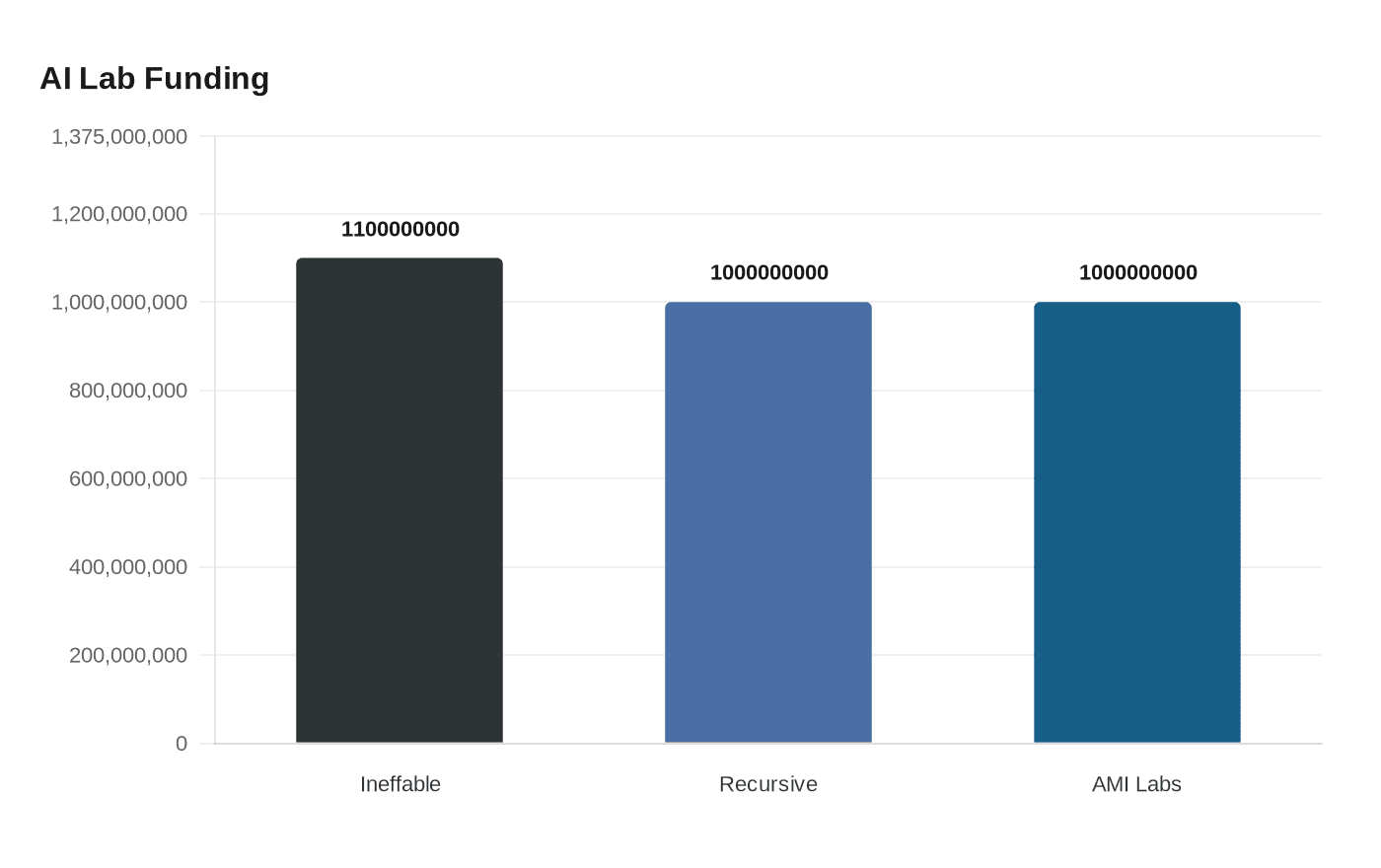
David Silver, a former top researcher at DeepMind, raised $1.1 billion for his new startup, Ineffable Intelligence, in a seed round that ranked among the largest ever in the field. The company emerged from stealth on April 27 with a $5.1 billion post-money valuation and backing from Sequoia Capital, Lightspeed Venture Partners, Nvidia and Google. The deal was led by Sequoia and Lightspeed and also included support from the British government, making it Europe’s largest seed financing to date.
Silver is not alone. Tim Rocktäschel, another former DeepMind researcher, is reportedly seeking as much as $1 billion for Recursive Superintelligence. AMI Labs raised $1 billion in March, months after Yann LeCun said he would leave Meta’s AI chief role at the end of the year. Across the last year, former staff from OpenAI, DeepMind, Anthropic and xAI have also pulled in hundreds of millions for months-old ventures including Periodic Labs, Ricursive Intelligence and Humans&.
The money is following pedigree. Investors are betting that the next jump in AI will come not only from the largest training clusters and the best-known chatbot brands, but also from smaller teams trying new model architectures and new ways to organize research. That shift gives founders with deep research reputations enormous leverage. It also suggests that in AI, a proven scientist can now raise capital before a product line, a customer base or a long operating history exists.
For the giants, the drain is expensive. Meta said on April 23 that it planned to cut 10% of its workforce, about 8,000 employees, with layoffs set to begin May 20, even as it kept spending heavily on AI. A day later, concern over an AI labor crisis grew as Meta and Microsoft job cuts highlighted how sharply companies are rebalancing staff and strategy. Regulatory hurdles have also pushed tech giants toward talent-hiring deals instead of acquisitions, leaving behind hollowed-out “zombie startups” and reinforcing a market where people, not products, are the main asset.
The result is a structural reshuffling of the industry. Big Tech still has the deepest pockets and the biggest compute budgets, but the newest power is increasingly concentrating in founder-led insurgents that can recruit top researchers, lock up capital fast and promise a fresh path to intelligence.
This article was produced by Prism’s automated news system from verified source data, official records, and press releases, then run through automated quality and moderation checks before publishing. The system is built and supervised by the people who set the standards it runs under. Read our full AI policy.
Did this article answer your question?


