AI voice reads graduate names, stirring debate over tradition
A glitchy AI voice at Glendale Community College turned a graduation ceremony into boos, intensifying debate over automation and dignity.

A graduation ceremony in Glendale, Arizona turned tense when Glendale Community College used artificial intelligence to read names and the system malfunctioned, drawing boos as president Tiffany Hernandez acknowledged the technology. The disruption affected dozens or even hundreds of graduates, depending on the account, and the college later apologized and, in some cases, let students walk again with a human announcer.
The episode sharpened a broader question now moving through schools and universities: whether AI is solving a real operational problem or quietly stripping away the human recognition that makes commencement feel singular. Education Week reported that a small but growing number of high schools are also using AI to pronounce names at graduation, suggesting the practice has moved well beyond colleges and into earlier stages of the education system.
Schools adopting the tools say the appeal is straightforward. Tassel, one of the platforms in use, says its pronunciation database includes phonetic components for more than 100,000 names. University of Florida officials said they are using Tassel for their spring 2026 ceremonies, with about 9,000 students participating. At Florida, students hear an AI-generated version of their name, correct it if needed, then confirm the result before a voice actor records the final pronunciation. Supporters argue that kind of system can reduce mistakes, ease staffing pressure and keep long ceremonies moving for large, diverse graduating classes.
The backlash has been just as real. In April 2025, students at the University of North Georgia circulated a petition opposing AI name announcements, and it drew more than 1,800 signatures. Their objection was not only about accuracy. It was about the feeling that graduation, a once-in-a-lifetime milestone, should not resemble an assembly line.
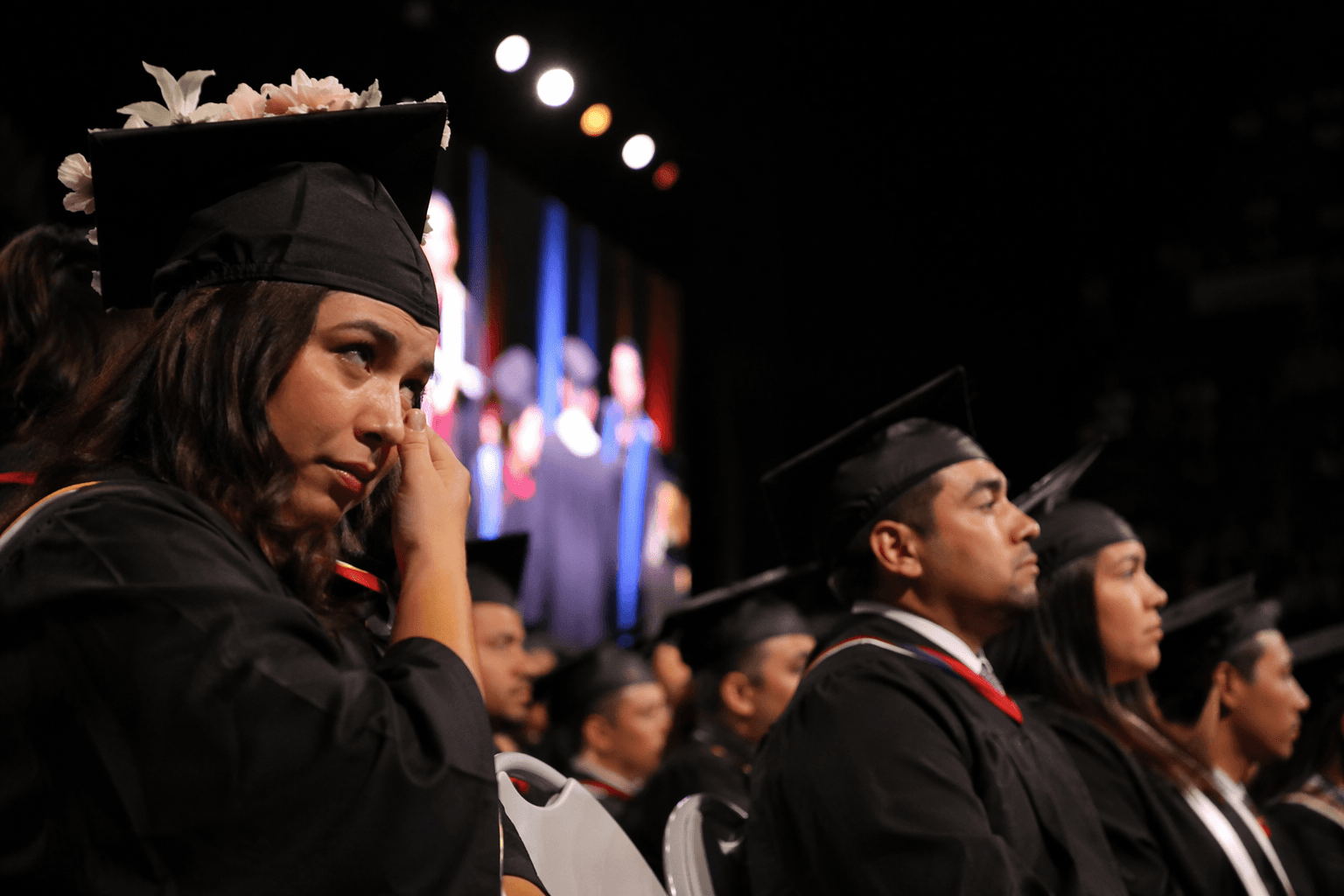
That emotional resistance has surfaced elsewhere too. Pace University drew viral criticism at its May 2025 commencement after an AI voice announced names and students had to scan QR codes on stage. Even when the technology works, some families hear something colder than efficiency: a machine substituting for the live announcer whose job is to honor each graduate correctly.
The growing pattern points to a larger institutional shift. Schools are finding that AI can help with pronunciation and logistics, but commencement is not just another workflow. It is a public rite of passage, and the debate over AI at graduation is becoming a test case for where automation belongs, and where a human voice still matters most.
This article was produced by Prism’s automated news system from verified source data, official records, and press releases, then run through automated quality and moderation checks before publishing. The system is built and supervised by the people who set the standards it runs under. Read our full AI policy.
Did this article answer your question?