AI-written biographies flood Amazon as trade and shipping face disruption
An AI biography of Kashmir Hill joined thousands of slop books on Amazon as Red Sea attacks lifted freight risk and SNAP enrollment fell by 1,487,642.

An AI-generated biography of journalist Kashmir Hill was among thousands of AI-written books flooding Amazon, a vivid example of how synthetic content has spread from articles into book-length publishing. At the same time, Red Sea attacks were driving up shipping costs and risk, while millions of Americans were seeing food-stamp access shrink.
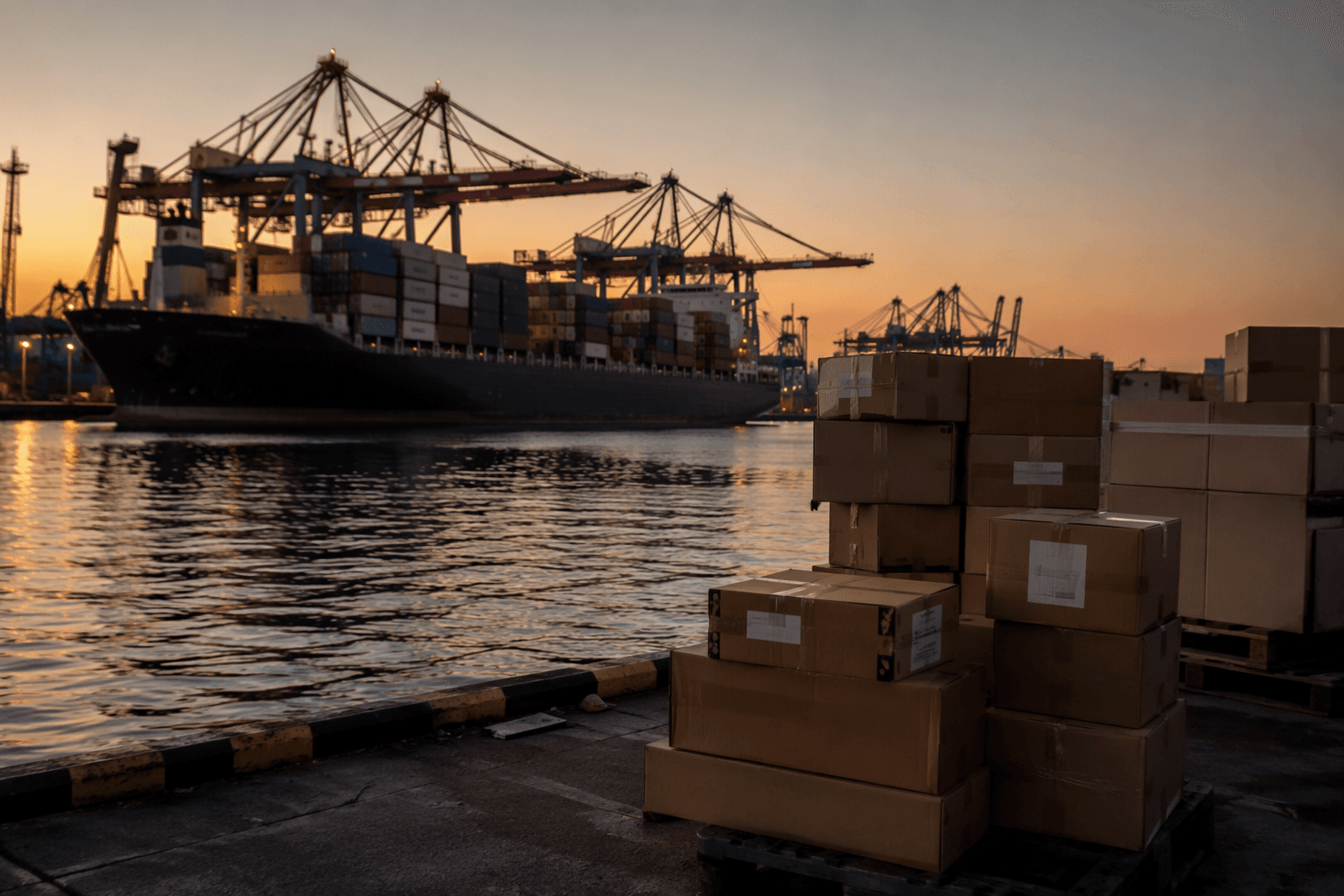
The question for household budgets is how low-income families absorb both pressures at once: higher freight risk can filter into food prices just as fewer people are getting nutrition aid. Ocean cargo rates climbed after new Red Sea ship attacks, and Maersk said it would resume sailings through the Red Sea and Suez Canal for one of its services, a sign of how carriers were trying to normalize routes after two years of disruption. A Houthi Red Sea blockade was expected to lift oil prices, though workarounds could limit the impact, and war-insurance costs rose after the blockade. The World Economic Forum said in February 2024 that Red Sea attacks were disrupting global trade and shipping, and United Nations reporting on Houthi attacks on merchant and commercial vessels continued under Security Council resolutions 2722 and 2812 through July 15, 2026.
The squeeze is showing up on the safety-net side as well. SNAP enrollment fell to 41,203,721, a drop of 1,487,642 since Trump was sworn in, and more than 4.7 million people nationwide had lost food-stamp benefits. ProPublica said more than 770,000 children were no longer receiving SNAP benefits. Tennessee coverage put the number of people no longer receiving SNAP there at more than 100,000, while the Oregon Department of Human Services said thousands of Oregonians could be affected by federal SNAP changes. Arizona was described as the hardest hit in the cuts.
Policy changes point to further pressure ahead. Starting in fiscal 2028, states with SNAP error rates above 6% were set to begin losing federal funding, and if those rules applied immediately only eight states would receive full funding. That has pushed AI deeper into benefits administration, with Nextgov/FCW saying in March 2024 that AI could help clear food-stamp backlogs in some states. The American Public Human Services Association issued guidance on AI-powered SNAP modernization, the Food Research & Action Center published a fact sheet on what AI means for SNAP, and Propel described AI tools that help recipients diagnose and restore lost benefits. The result is a tighter household ledger: pricier freight can nudge grocery bills upward just as less SNAP leaves families with less room to pay them.
This article was produced by Prism’s automated news system from verified source data, official records, and press releases, then run through automated quality and moderation checks before publishing. The system is built and supervised by the people who set the standards it runs under. Read our full AI policy.
Did this article answer your question?