Aid cuts weaken Ebola response as outbreak spreads in East Africa
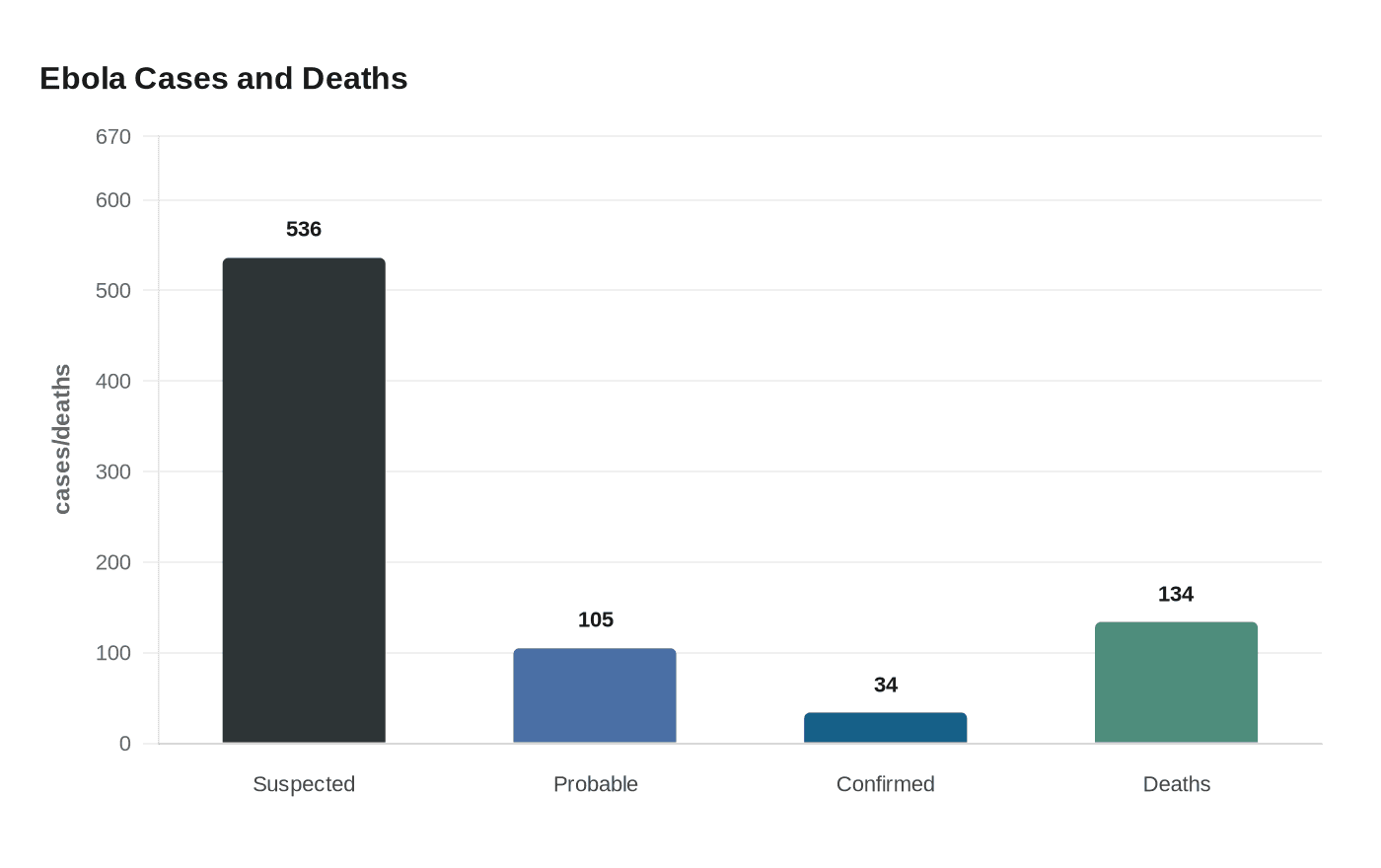
U.S. aid cuts have thinned surveillance in eastern Congo just as Ebola cases jumped to 536 suspected and 34 confirmed, including an American patient.
Ebola is racing through remote corners of eastern Congo just as the public health net around it has been frayed by U.S. aid cuts, leaving weaker surveillance, thinner supply chains and fewer outbreak teams to catch spread before it moves farther.
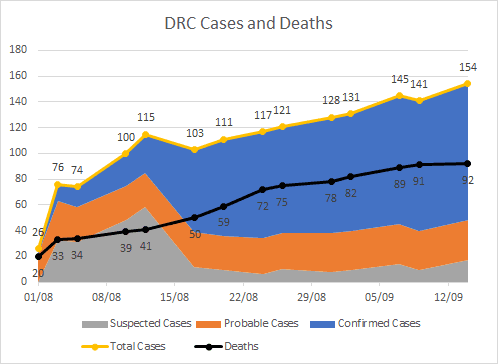
The Centers for Disease Control and Prevention said it mobilized with the Democratic Republic of the Congo and Uganda after Ebola was confirmed in Ituri Province and in Uganda, and that the outbreak is unfolding in hard-to-reach areas with poor transportation, rough terrain and security risks. As of May 19, the CDC said the two countries had reported 536 suspected cases, 105 probable cases, 34 confirmed cases and 134 deaths, including 2 confirmed cases and 1 death in Uganda. It also said the tally rose by 26 confirmed cases and 143 suspected cases in just 24 to 48 hours, a warning sign that transmission is accelerating.
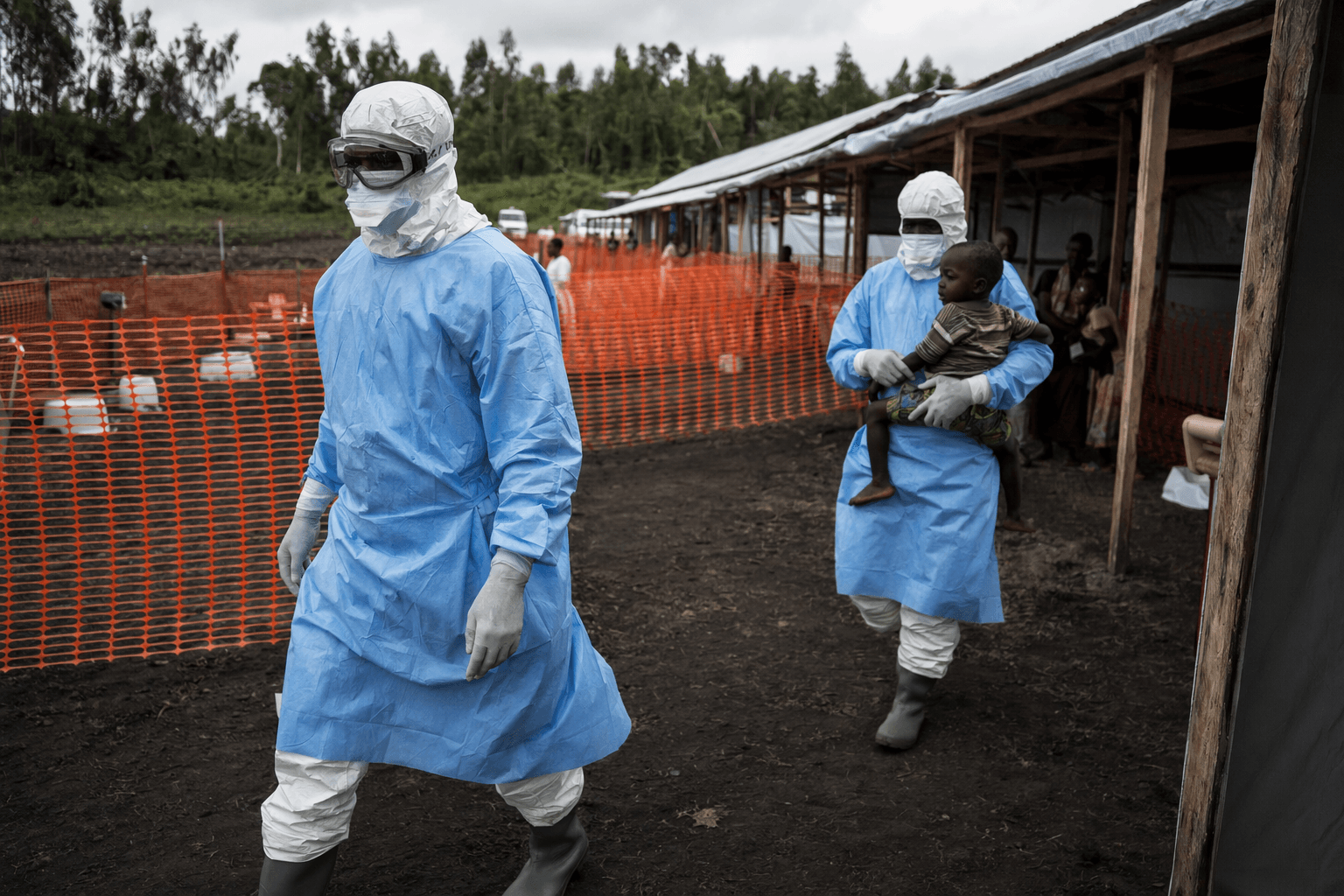
The virus was first identified in early May in Bunia Health Zone, where initial tests were negative before genetic fingerprinting identified Ebola Bundibugyo virus. The CDC said there is no vaccine for the strain, and that its death rate has historically ranged from 25% to 50%. The outbreak has now spread to 9 health zones in Ituri Province, marking Congo’s 17th Ebola outbreak since 1976 and its second known Bundibugyo outbreak.
The Trump administration’s aid cuts have sharpened the danger. The International Rescue Committee said major U.S. funding reductions that began in March 2025 forced it to cut programming in Ituri from five health areas to two, even as the group had previously backed frontline health work, surveillance, infection prevention and personal protective equipment support across eastern Congo. The IRC said suspected cases surged from 246 to 500 in 96 hours, a jump it said showed surveillance is now chasing transmission that may have been moving for some time.
Aid and technical cuts have also weakened the broader response system. Experts have said the reduction in U.S. support has hit epidemic preparedness, stockpiles, supply chains, sanitation work and outbreak teams, while USAID and CDC staff had historically helped identify unexplained outbreaks, move samples and test them quickly. Former USAID Ebola responder Jeremy Konyndyk warned the United States is in a much weaker position now than it was 18 to 24 months ago.
The CDC and the Department of Homeland Security implemented enhanced travel screening, entry restrictions and other public health measures on May 18 to keep Ebola from reaching the United States. That urgency sharpened further after the CDC said a U.S. citizen exposed while caring for patients in Congo tested positive for Ebola Bundibugyo on May 17 and was being moved to Germany for treatment. With Congo’s outbreak already among the largest on record, breakdowns in containment abroad are no longer distant failures; they are immediate risks for American health security.
Know something we missed? Have a correction or additional information?
Submit a Tip