Airbus Probes Fuselage Panel Flaw Affecting Dozens of A320s
Airbus confirmed on Monday that it was investigating a supplier quality issue involving fuselage panels that affected several dozen A320 family aircraft, and said newly produced panels met specifications. The discovery has delayed some near term deliveries and intensified market and regulatory scrutiny as the manufacturer seeks to hit ambitious year end delivery targets following a large scale software retrofit.
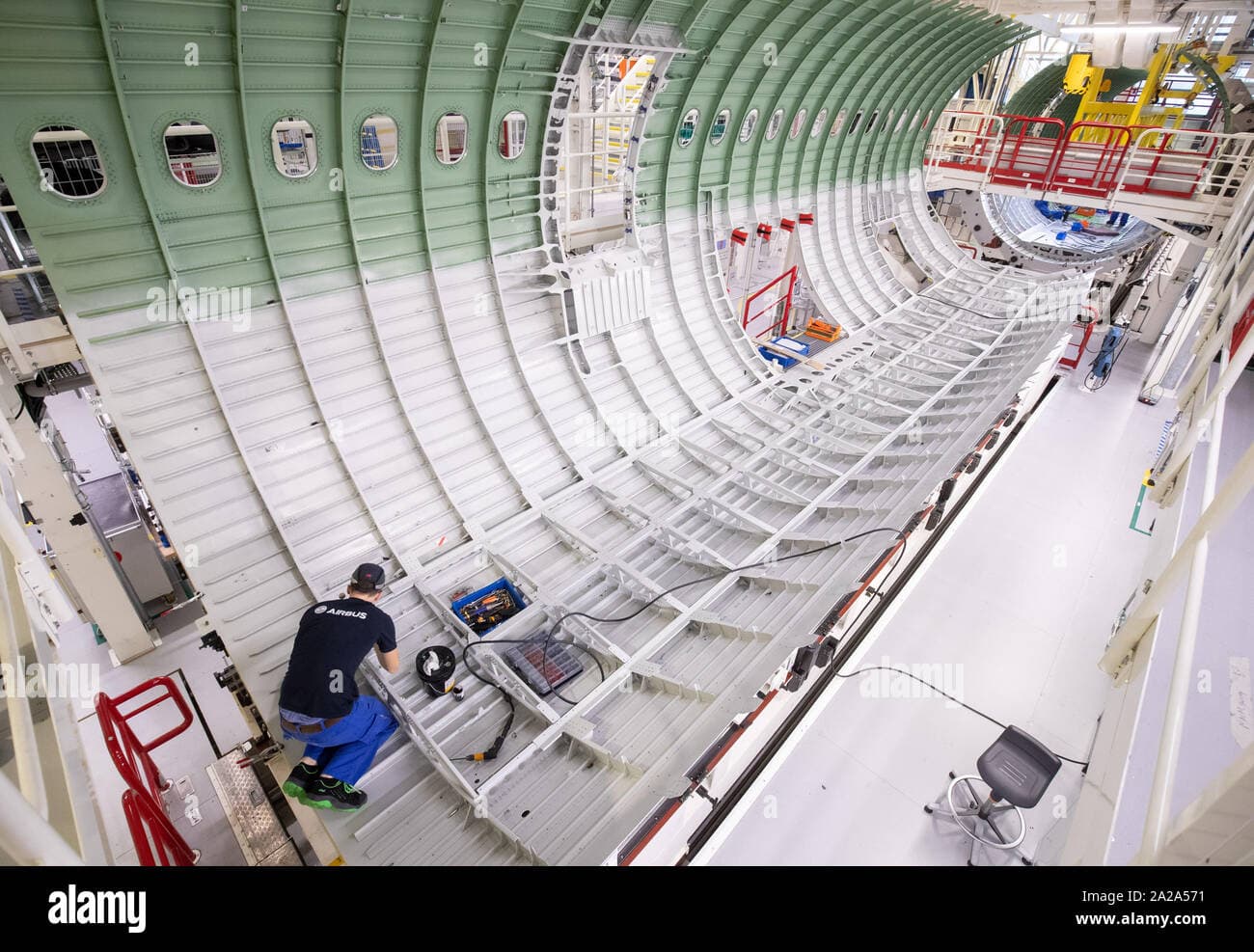
Airbus said it was examining a supplier quality problem that affected a limited number of fuselage panels for A320 family aircraft, an issue that sources told Reuters had surfaced on December 1 and that has delayed some near term deliveries. Company statements said inspections were under way for potentially impacted aircraft and that newly produced panels conform to Airbus requirements. At the time of the report there was no indication the flaw had reached aircraft already in commercial service.
The development added to pressure on Airbus as it works to meet end of year delivery goals, coming on the heels of a broad software retrofit for A320 jets that had already complicated production and delivery schedules. The A320 family is the backbone of global single aisle capacity for many carriers, and even small disruptions can ripple through airline fleet plans for the near term peak travel season.
Market reaction was immediate, with investor concern translating into sharply increased volatility in Airbus shares and heightened scrutiny from analysts and suppliers. Industry participants said the episode underscored the risks inherent in tightly optimized production lines for single aisle aircraft, where a supplier quality lapse can force localized inspections, slow assembly and postpone revenue recognition tied to deliveries.
Airbus did not quantify the number of panels or the exact number of affected aircraft, describing the issue as limited and saying it was working with the supplier to resolve the matter. Sources familiar with the situation told Reuters that several dozen aircraft were potentially affected. That scale, while not indicating a systemic manufacturing failure, is nonetheless material for month to month delivery tallies in a competitive market where Boeing and Airbus vie for airline orders and where airlines plan networks and financing around firm delivery schedules.
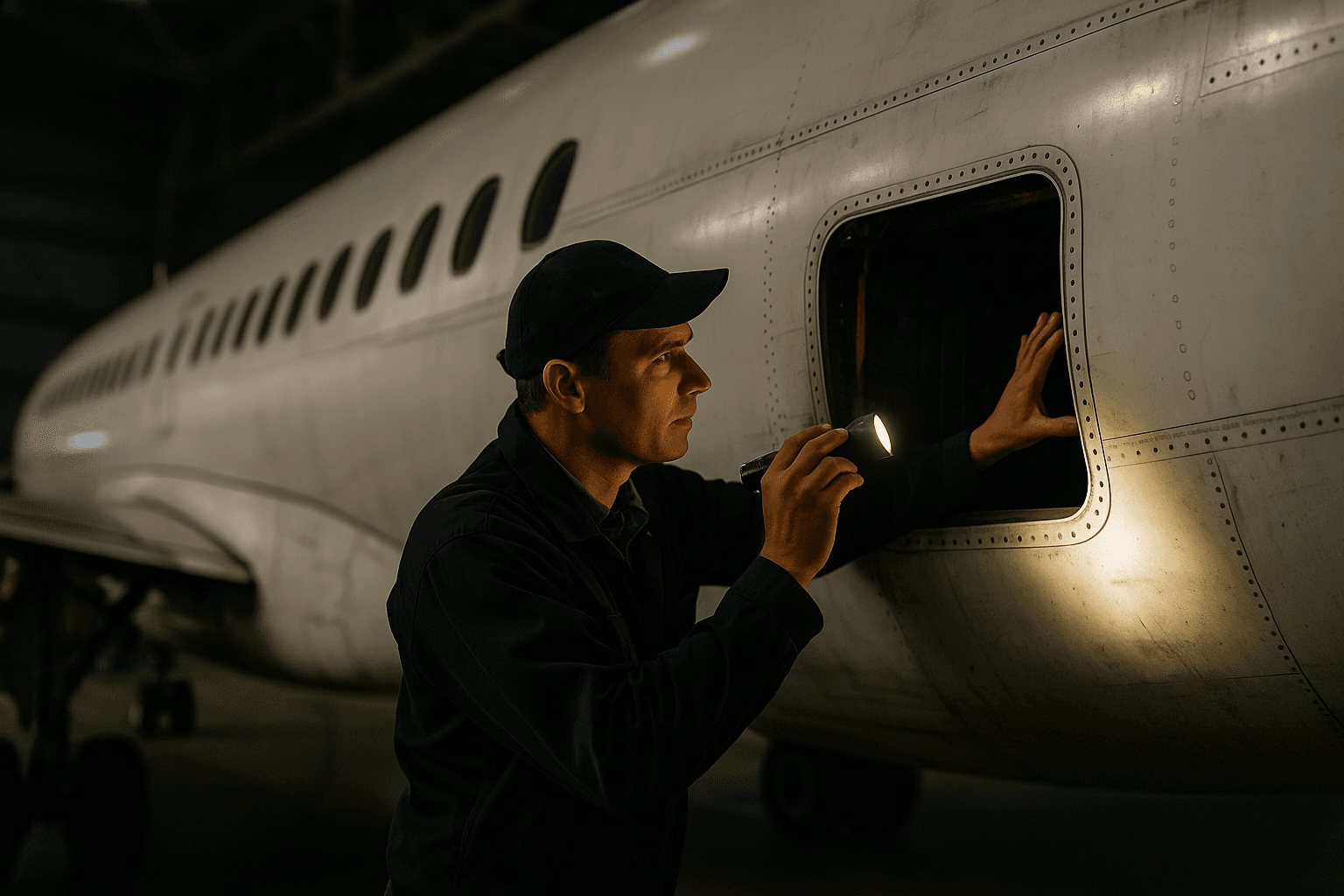
For airlines, delayed deliveries can have short term operational and financial implications, forcing carriers to extend leases on older aircraft, revise capacity plans and alter financing timetables. For Airbus, repeated production and quality headwinds can weigh on quarterly and annual results, and may affect supplier oversight practices that were already under review after recent production disruptions across the industry.
The incident also highlights the centrality of suppliers in contemporary aircraft programs. Modern airframes are assembled from parts produced by a global network of contractors, which requires precise integration and rigorous quality control. Regulators and customers typically demand traceability and assurance that any corrective actions restore conformity without introducing new risks. Airbus said inspections were intended to provide that assurance and to confirm that newly produced panels meet specifications.
Analysts said the immediate focus will be on the speed and transparency of Airbus’s response, and on whether inspections identify causes that require corrective manufacturing measures. If the issue remains confined to newly produced parts and does not affect in service aircraft, the commercial damage may be limited to near term delivery timing. If broader manufacturing or supplier control weaknesses emerge, the episode could trigger more protracted operational and reputational challenges for Airbus as it closes out the year.
This article was produced by Prism’s automated news system from verified source data, official records, and press releases, then run through automated quality and moderation checks before publishing. The system is built and supervised by the people who set the standards it runs under. Read our full AI policy.
Did this article answer your question?

