Airlines raise fares and cancel flights as jet fuel costs soar
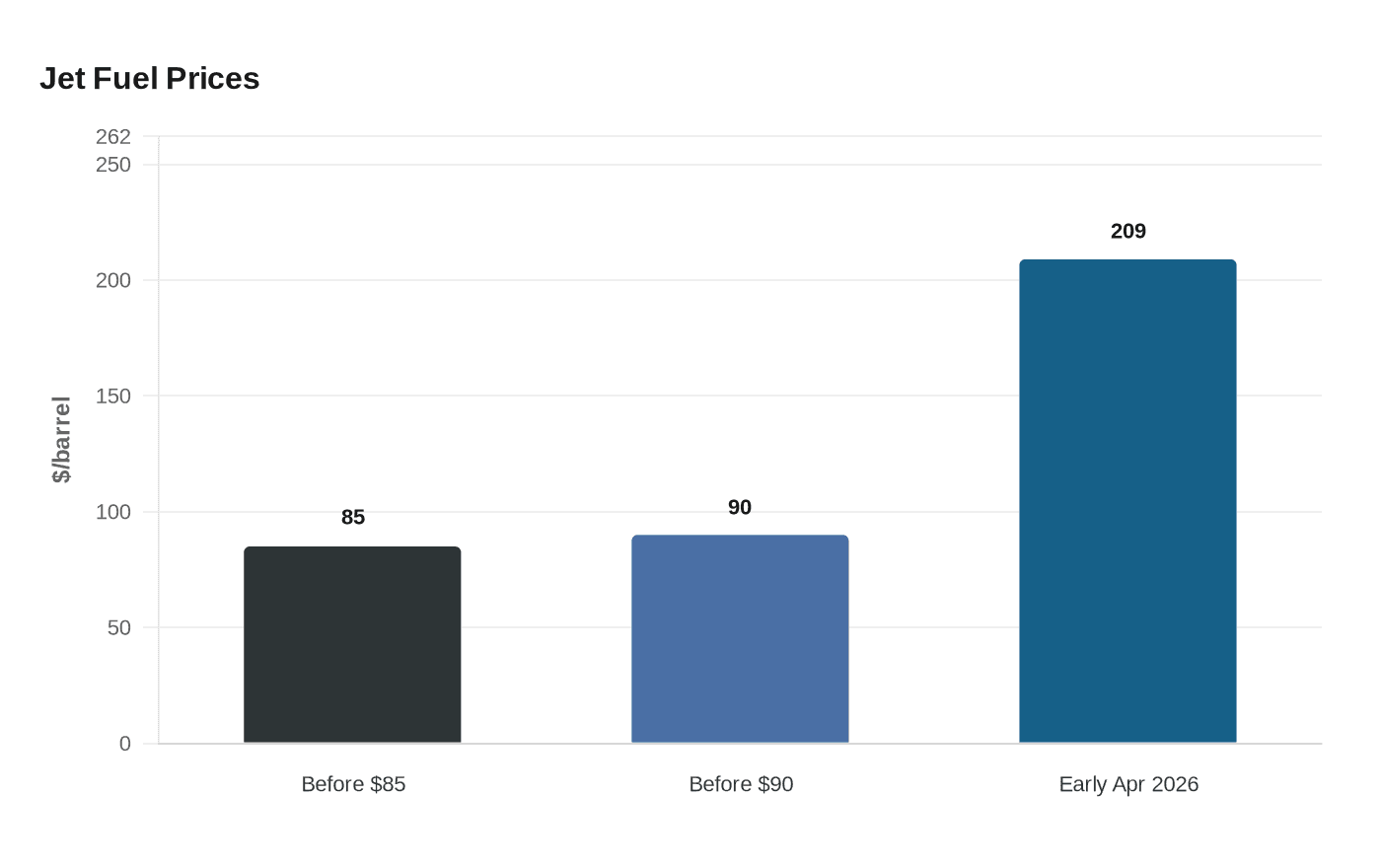
Jet fuel climbed from about $85 to $209 a barrel, forcing airlines to cut flights and lift fares as Europe braces for cancellations and tighter rebooking options.

Higher jet-fuel costs tied to the Middle East crisis are already hitting travellers in the most practical way possible: fewer flights, higher fares and less room to rebook when plans unravel. The International Air Transport Association said jet-fuel prices rose from about $85 to $90 a barrel before the conflict to roughly $209 by early April 2026, a jump that is pushing airlines to trim capacity and warn passengers to expect more expensive tickets.
The pressure is spreading across Europe. IATA warned cancellations could begin by the end of May if fuel shortages worsen, while Airports Council International Europe said some hubs could start running short of jet fuel by mid-May if supply routes do not normalise. Airlines UK has urged ministers to prepare an emergency jet-fuel plan, bolster reserves and update the national emergency fuel plan to include aviation fuel, arguing that fuel makes up around one third of airline costs and that a doubling in jet-fuel prices is a major additional shock.

Lufthansa has moved first on the schedule. The airline announced 20,000 short-haul flight cuts from May to October 2026, saying the reductions would save 40,000 metric tons of jet fuel and amount to about 1% of its available seat kilometres. EasyJet said higher ticket prices were likely later in the summer as fuel hedges expire, while Air France-KLM said it planned to increase long-haul fares by 50 euros per round trip. The cuts and fare rises point to a summer in which airlines try to protect margins by shrinking supply and passing through more of the fuel shock.
For passengers whose flights are cancelled, UK rules offer some protection. The Civil Aviation Authority says travellers on covered flights may be entitled to a full refund or an alternative flight. While they wait, airlines must provide care and assistance, including food, drink, communication help, accommodation and transport where needed. Compensation can also be due depending on notice and the reason for cancellation, but not when the disruption is caused by extraordinary circumstances.
If an airline rejects a claim, the CAA says passengers can escalate it. And if major disruption leaves an airline unable to provide care in time, travellers may arrange reasonable assistance themselves and reclaim the cost later. With jet-fuel prices still elevated and Europe’s supply outlook fragile, the next pressure point is not just the fare at booking, but the options available when a flight disappears.
Know something we missed? Have a correction or additional information?
Submit a Tip