Germany recession risk jumps as Iran war drives energy costs higher
Germany’s recession risk rose to 33.5% as the Iran war lifted energy costs and rattled exporters, reviving fears of a fresh industrial downturn.

Germany’s chance of slipping back into recession jumped to 33.5% in the second quarter, up from 11.6% at the start of March, as the Iran war pushed energy prices higher and darkened the outlook for industry and exporters. The Institute for Macroeconomics and Economic Research moved its monthly business-cycle gauge from yellow-green to yellow-red, a shift it uses to signal materially higher uncertainty and a more fragile near-term outlook.
The warning lands at a difficult moment for Europe’s largest economy. Germany’s economy ministry has already cut its 2026 growth forecast to 0.5% and trimmed its 2027 outlook, while raising inflation projections after the conflict helped drive up oil and gas prices. That combination, weaker growth and firmer prices, leaves policymakers facing the kind of squeeze that is especially hard for an economy already dealing with weak demand, costly borrowing and uneven industrial output.
The IMK said the deterioration was not coming from one channel alone. Corporate credit risk premiums have widened, stock-market volatility has risen and interest-rate moves suggest investors are pricing in tighter European Central Bank policy. Export expectations have also worsened, reflecting concern that the war will drag on the global economy, especially in emerging markets that buy German goods. For an export-heavy economy, weaker foreign demand and higher financing costs can hit at the same time.
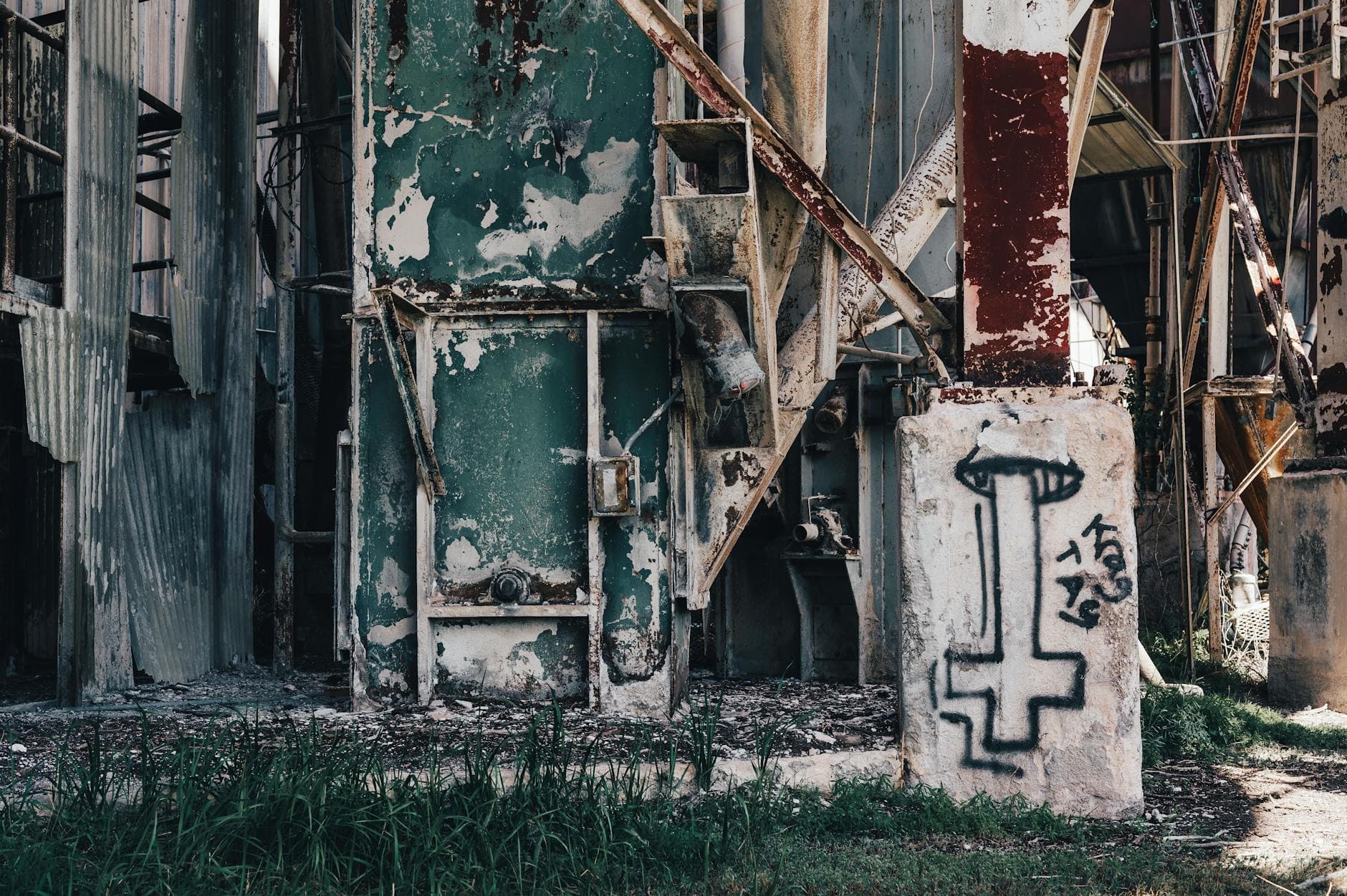
The industrial damage is most acute in Germany’s energy-intensive sectors, where manufacturers face higher fuel, freight and petrochemical costs. Thomas Theobald said the U.S. and Israeli attacks on Iran had increased the likelihood of production declines in those industries. The IMK’s recession indicator is designed as a real-time early-warning tool, measuring the probability of a significant decline in industrial production over the current or next two months. It is based on quarterly national accounts and a detailed reading of German exports by destination, giving the yellow-red shift added weight.
The new warning is sharper than the institute’s March 26 baseline, when it still projected growth of 0.9% in 2026 and 1.6% in 2027 if disruption around the Strait of Hormuz eased by summer and energy shipments normalized. With Germany under renewed pressure, the risk is no longer just slower growth. A weaker German industrial cycle could spill into the broader eurozone and further cloud the global growth outlook at a time when the world economy has little room for another energy shock.
This article was produced by Prism’s automated news system from verified source data, official records, and press releases, then run through automated quality and moderation checks before publishing. The system is built and supervised by the people who set the standards it runs under. Read our full AI policy.
Did this article answer your question?

