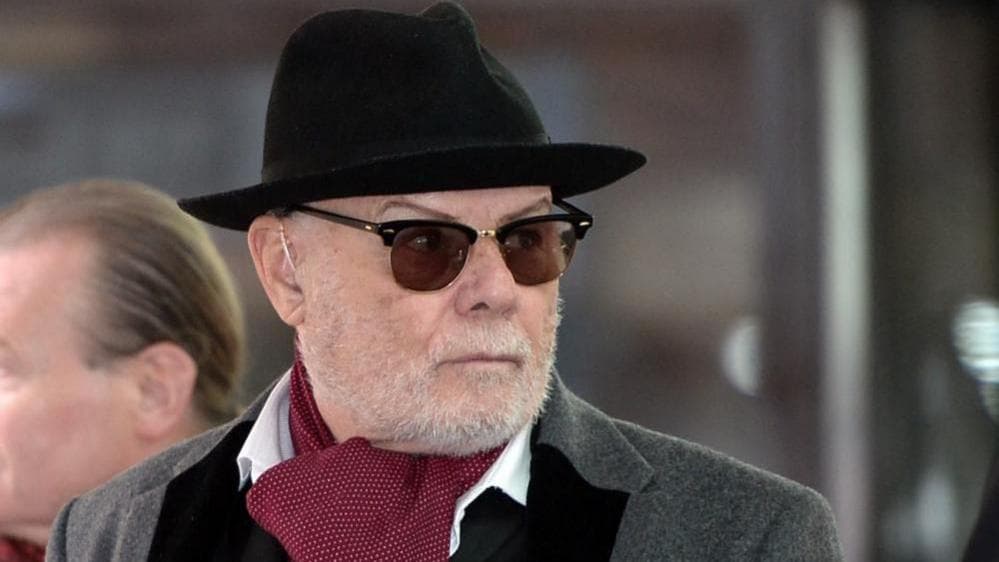
Alan Osmond, Osmonds singer and Stadium of Fire co-founder, dies at 76
Alan Osmond, the eldest Osmond sibling and a co-founder of Stadium of Fire, died at 76 after decades with multiple sclerosis, closing a chapter on a family-built pop empire.
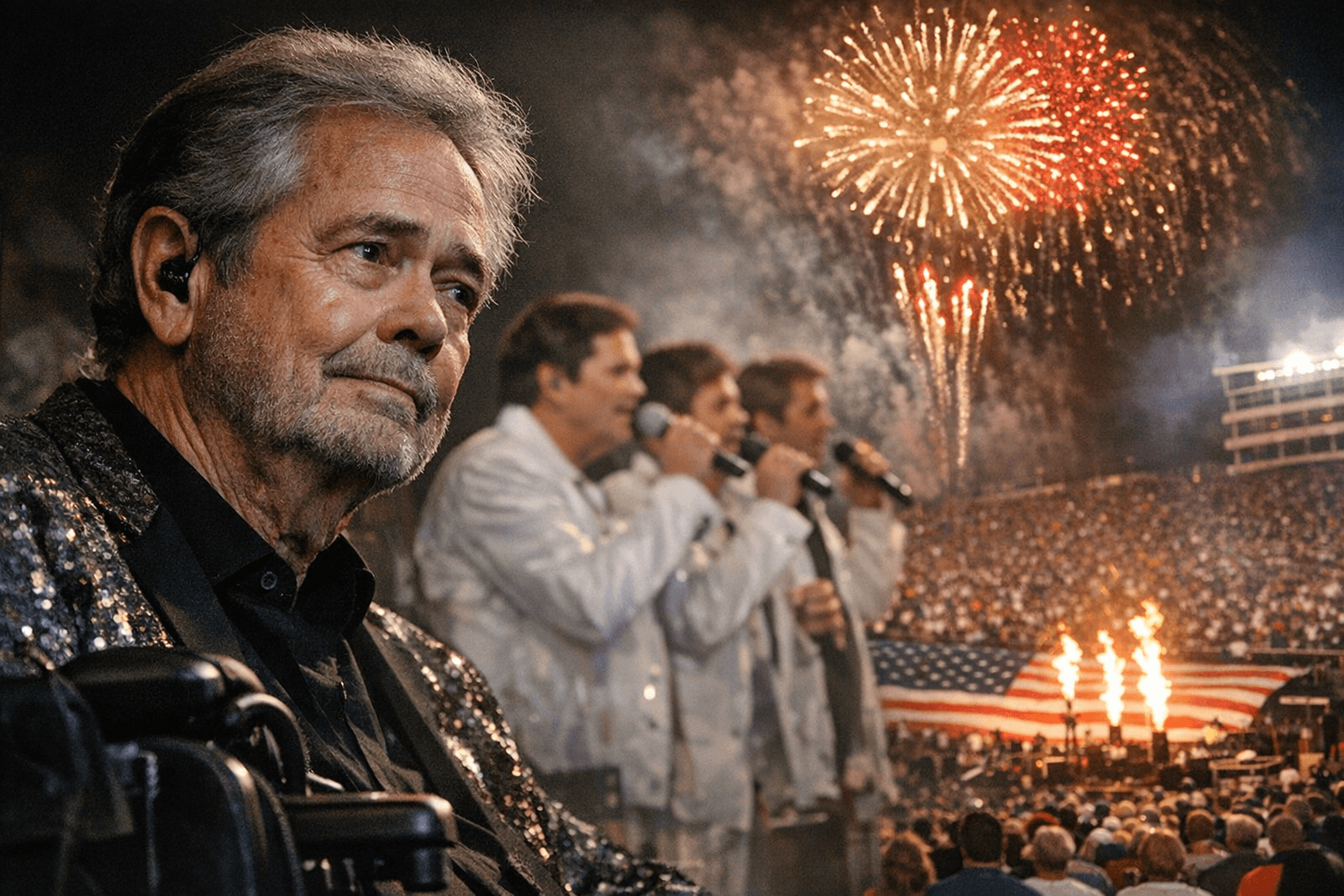
Alan Osmond, the eldest singing member of the Osmonds and one of the family act’s main architects, died at 76 after living for decades with multiple sclerosis. He died at home in Lehi, Utah, about 8:30 p.m. local time, with his wife, Suzanne, and their eight sons by his side.
Born Alan Ralph Osmond on June 22, 1949, in Ogden, Utah, he was the oldest of the seven Osmond siblings who could sing. Virl and Tom Osmond were hearing impaired, and the family’s musical story grew from those Utah roots into one of the most recognizable clean-cut pop brands of the 1970s. The Osmonds’ polished harmonies, television presence and bubblegum-pop sound made them fixtures from concert stages to living rooms across the country.
Alan Osmond’s influence extended well beyond performing. In 1980, he and Merrill Osmond co-founded Stadium of Fire in Provo, the Fourth of July concert and fireworks spectacle held at Brigham Young University’s football stadium. The event grew into one of the largest Independence Day celebrations in the United States, turning Osmond’s name into part of Utah’s summer calendar and showing how the family’s entertainment business reached beyond records and television.
His later life reflected the same mix of family identity and public presence that defined the Osmonds at their peak. Alan and Suzanne Osmond were associated with the OneHeart Foundation, and in 2024 he published an autobiography, One Way Ticket. Donny Osmond said Alan was the family’s leader and helped build what the group became, a reminder that the Osmonds’ success rested not only on hit songs but on the machinery of family-managed fame that Alan helped shape and sustain.
His death closes another chapter in a group that became one of America’s prototype family entertainment brands, with roots in Utah but a reach that ran through national television, touring, philanthropy and civic spectacle. For a generation that knew the Osmonds as squeaky-clean stars, Alan Osmond’s life showed how carefully built image, family discipline and local institutions could turn a regional act into a lasting cultural force.
This article was produced by Prism’s automated news system from verified source data, official records, and press releases, then run through automated quality and moderation checks before publishing. The system is built and supervised by the people who set the standards it runs under. Read our full AI policy.
Did this article answer your question?