Alarm halts restart of Kashiwazaki-Kariwa reactor hours after startup
TEPCO suspended Unit 6 restart after a control-rod alarm and malfunction, returning the reactor to full shutdown while investigators probe causes and safety systems.
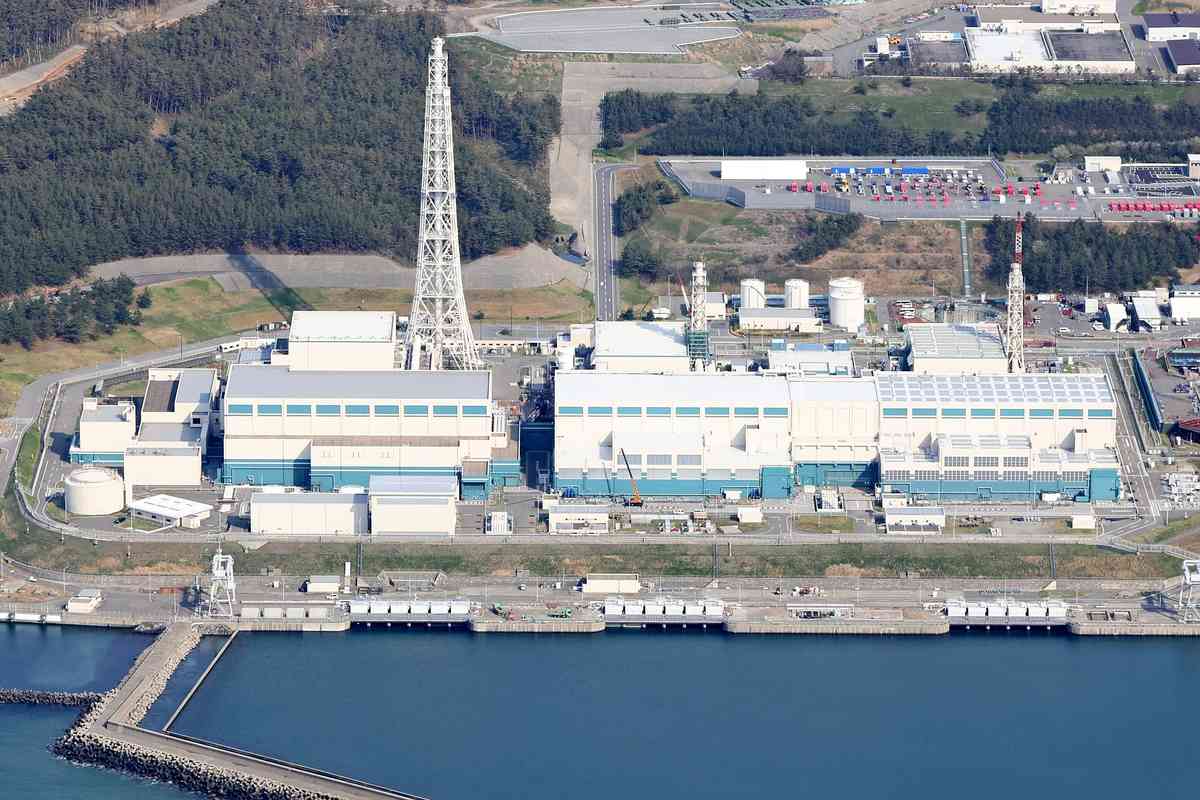
An alarm and a related control-rod malfunction forced Tokyo Electric Power Company Holdings Inc. (TEPCO) to suspend the restart of Unit 6 at the Kashiwazaki-Kariwa nuclear power station hours after the reactor was brought online, the company said. TEPCO reinserted the control rods and returned the 1,315-MW boiling water reactor to a full shutdown on Jan. 22 while technicians investigate the electrical equipment that triggered the issue.
TEPCO began standard startup procedures late on Jan. 21, removing neutron-absorbing control rods to initiate sustained fission. The Nuclear Regulation Authority had cleared trial operations earlier that day, and TEPCO had completed a sequence of preparations that included fuel loading, which the company said was finished in June. During the startup an alarm linked to the control-rod systems sounded, prompting an immediate suspension of operations and a controlled shutdown to permit a fuller inspection.
The utility said the reactor remained "stable" and there was "no radioactive impact outside" while teams worked. A TEPCO statement described technicians as "investigating the malfunctioning electrical equipment" and said that "once it became clear that it would take time, we decided to reinsert the control rods in a planned manner." The company has not provided a timetable for resuming startup operations.
TEPCO also noted an earlier problem with the control-rod alarm system: a test held the previous Saturday failed to trigger the alarm, a fault that forced a postponement of restart plans and was reported as addressed before the late Wednesday startup. The recurrence of control-rod related trouble at the outset of trial operations has drawn immediate regulatory and public attention because Unit 6 is the first TEPCO-run reactor to be restarted since the 2011 Fukushima disaster.
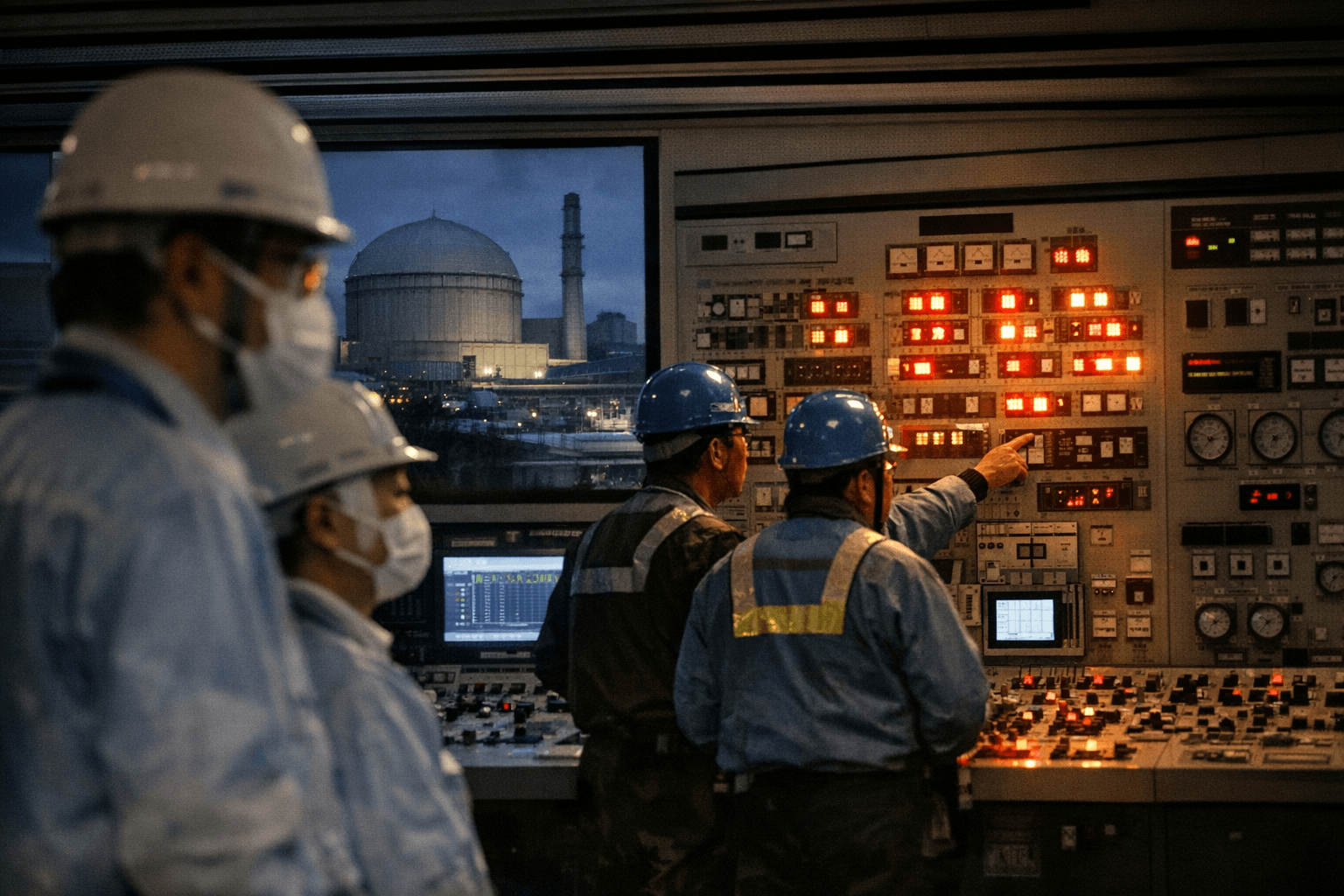
Kashiwazaki-Kariwa in Niigata prefecture is the world's largest nuclear complex by potential capacity, with seven boiling water reactors totaling 7,965 MW of net capacity. TEPCO has concentrated resources on restarting its newer Units 6 and 7, but only Unit 6 had been taken back into service this month. Since 2011, Japan has returned roughly 15 reactor units to service, part of a cautious reactivation campaign aimed at bolstering energy security and cutting reliance on imported fossil fuels.
The suspension complicates Tokyo's broader energy strategy. Policymakers have argued that reviving nuclear capacity is critical to meeting a 2050 carbon-neutrality goal and to handling rising electricity demand tied to digitalization and artificial intelligence. A single 1,315-MW unit can materially affect regional supply margins when available, but the delay underscores the technical and political hurdles of restarting older reactors amid heightened safety scrutiny.
Public reaction in Niigata has been mixed: recent polling shows about 60 percent of residents oppose restarts while roughly 37 percent support them. Regulators and industry observers will be watching TEPCO's investigation findings closely for indications of whether the problem stems from isolated electrical equipment faults or deeper procedural or systems weaknesses. Until those findings are released, the timing of Unit 6's return to service remains uncertain, and the restart program faces renewed questions about reliability and public confidence.
This article was produced by Prism’s automated news system from verified source data, official records, and press releases, then run through automated quality and moderation checks before publishing. The system is built and supervised by the people who set the standards it runs under. Read our full AI policy.
Did this article answer your question?