Alaska Air sees cash burn easing if jet fuel volatility calms
Alaska said cash burn could flatten to zero or turn positive if fuel swings ease, after a sharp jet-fuel spike forced it to pull guidance.

Alaska Air Group is betting that a calmer fuel market could be enough to steady its finances, even after jet-fuel volatility forced it to pull full-year guidance and darkened the near-term outlook. Chief Financial Officer Shane Tackett said the airline could restore its forecast on the second-quarter earnings call if price swings settle enough to give management more confidence, but he still viewed moves of about 5% in a matter of days as too erratic to ignore.
That leaves the central airline-economics question unchanged: how much pricing power can Alaska actually exercise when its biggest cost jumps? Tackett said second-quarter results would be tougher than the company expected before the latest fuel shock, but he also said higher fares and resilient demand should offset most of the damage in the second half. The most important sign is cash flow. Alaska said operating cash burn could fall to zero or even turn slightly positive later in the year, a signal that the carrier believes it can absorb the shock without a deeper balance-sheet event.
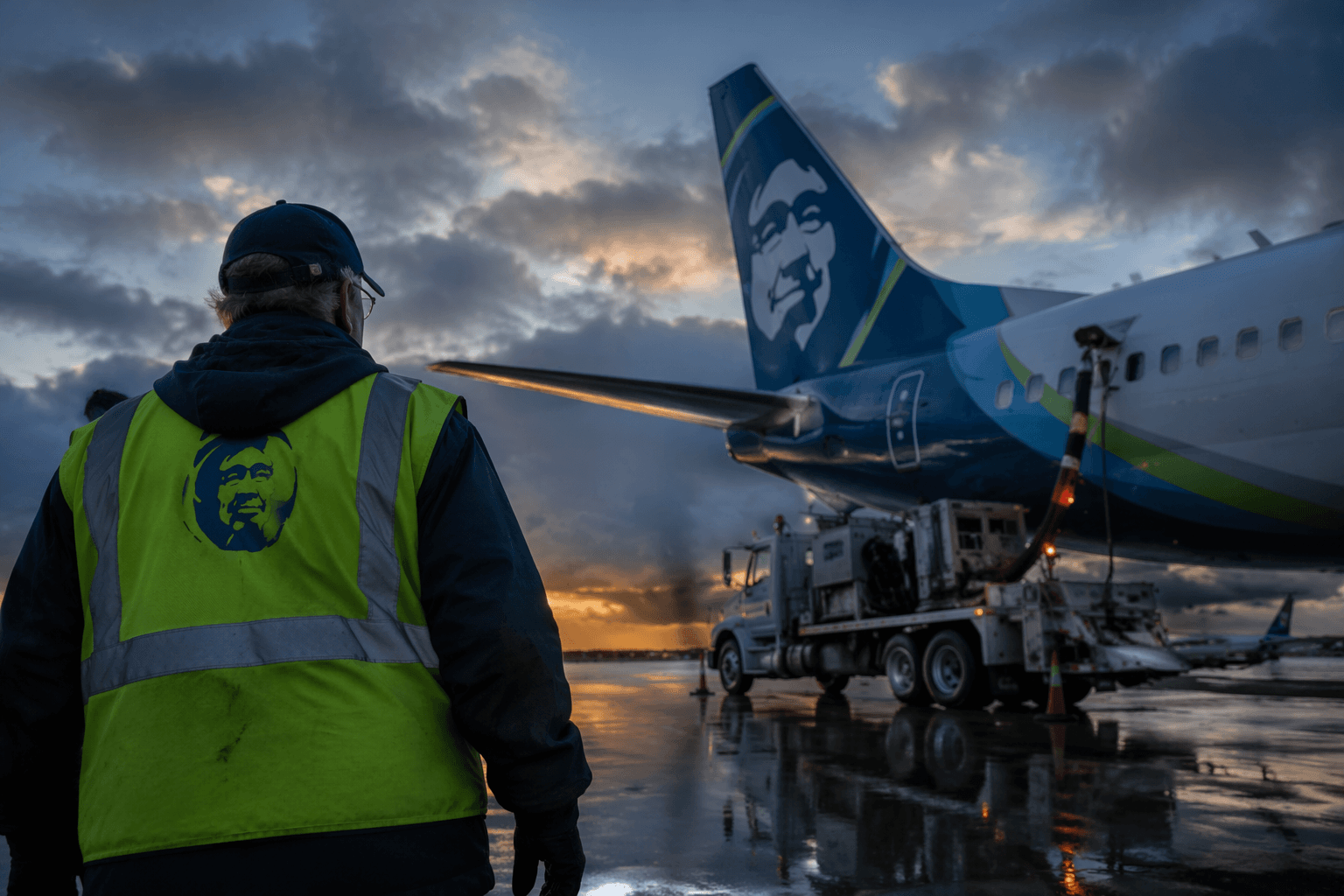
The demand backdrop is helping. Alaska said corporate bookings for the next 90 days are running 20% to 30% above a year ago across many geographies and industries, suggesting business travel has not cracked even as fuel costs rose. That matters because airlines rarely recover every cost increase through fares alone, especially when the shock is sudden. Alaska’s own numbers show the tension: in the first quarter, capacity rose 1.7%, revenue increased 5%, unit revenue climbed 3.5%, and the adjusted loss per share was $1.68. The company had also been hit by sharply higher fuel prices and localized demand disruptions in Hawaii and Puerto Vallarta, markets that represented about 30% of Air Group capacity.
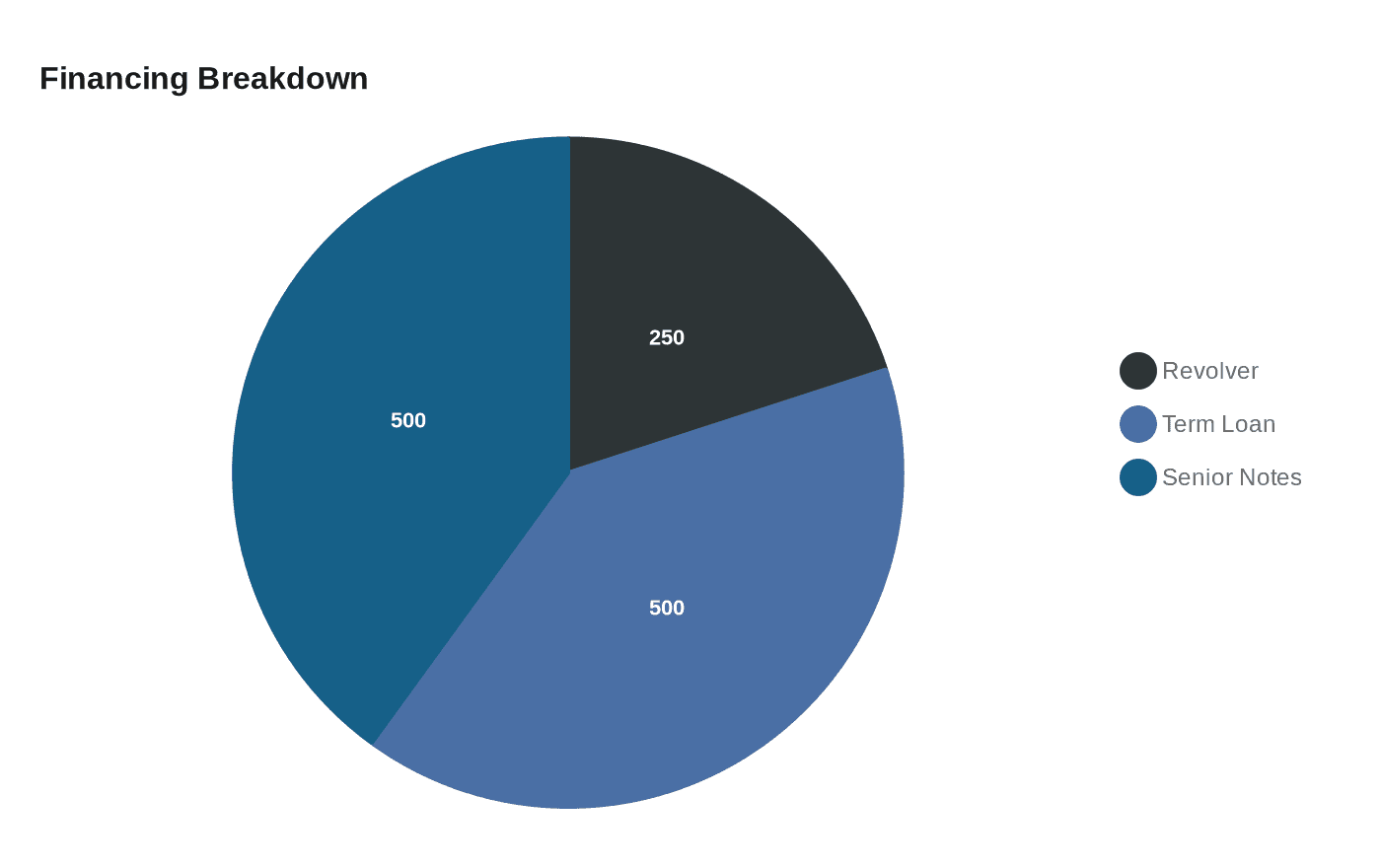
Alaska has been shoring up its position while it waits for fuel prices to settle. In May, it arranged $1.25 billion in financing, including a $250 million increase in its revolving credit facility to $1.1 billion, a new $500 million Term Loan B and $500 million in 6.5% senior notes due 2031. Tackett said Alaska does not plan additional liquidity moves or a cut in capital spending. The airline is also adjusting fuel sourcing, looking to West Coast supply markets such as Singapore to help offset costly refining conditions at home.
The fleet picture shows why the balance between cost pressure and long-haul demand matters so much. Alaska said it has no current plan to retire Hawaiian’s Airbus A330s or A321s, even after its January 7 order for 105 Boeing 737-10s and five Boeing 787s, its largest ever. Its current fleet list includes 24 Airbus A330-200s and 18 Airbus A321-200neos, underscoring the scale of its Hawaii and transpacific operation. For now, Alaska is counting on firmer fares, stable demand and less volatile fuel to keep the second half from slipping further.
This article was produced by Prism’s automated news system from verified source data, official records, and press releases, then run through automated quality and moderation checks before publishing. The system is built and supervised by the people who set the standards it runs under. Read our full AI policy.
Know something we missed? Have a correction or additional information?
Submit a Tip

