Etihad orders more widebody jets as demand rebounds after turmoil
Etihad is ordering widebody jets in the double digits even after spring flight cuts, betting it will be flying 8% more than a year ago by June 15.

Etihad Airways is expanding its long-haul fleet even as the Middle East remains exposed to conflict-driven disruption, a sign that the Abu Dhabi carrier sees demand recovery as stronger than the regional turbulence shaking airline schedules and fuel costs.
Chief executive Antonoaldo Neves said in Rio de Janeiro that Etihad is ordering widebody aircraft in the double digits and expects to be flying about 8% more than it did a year earlier by June 15. The airline did not disclose the exact number of jets or the financial terms, keeping the scale of the deal deliberately vague even as it signals confidence in future traffic.
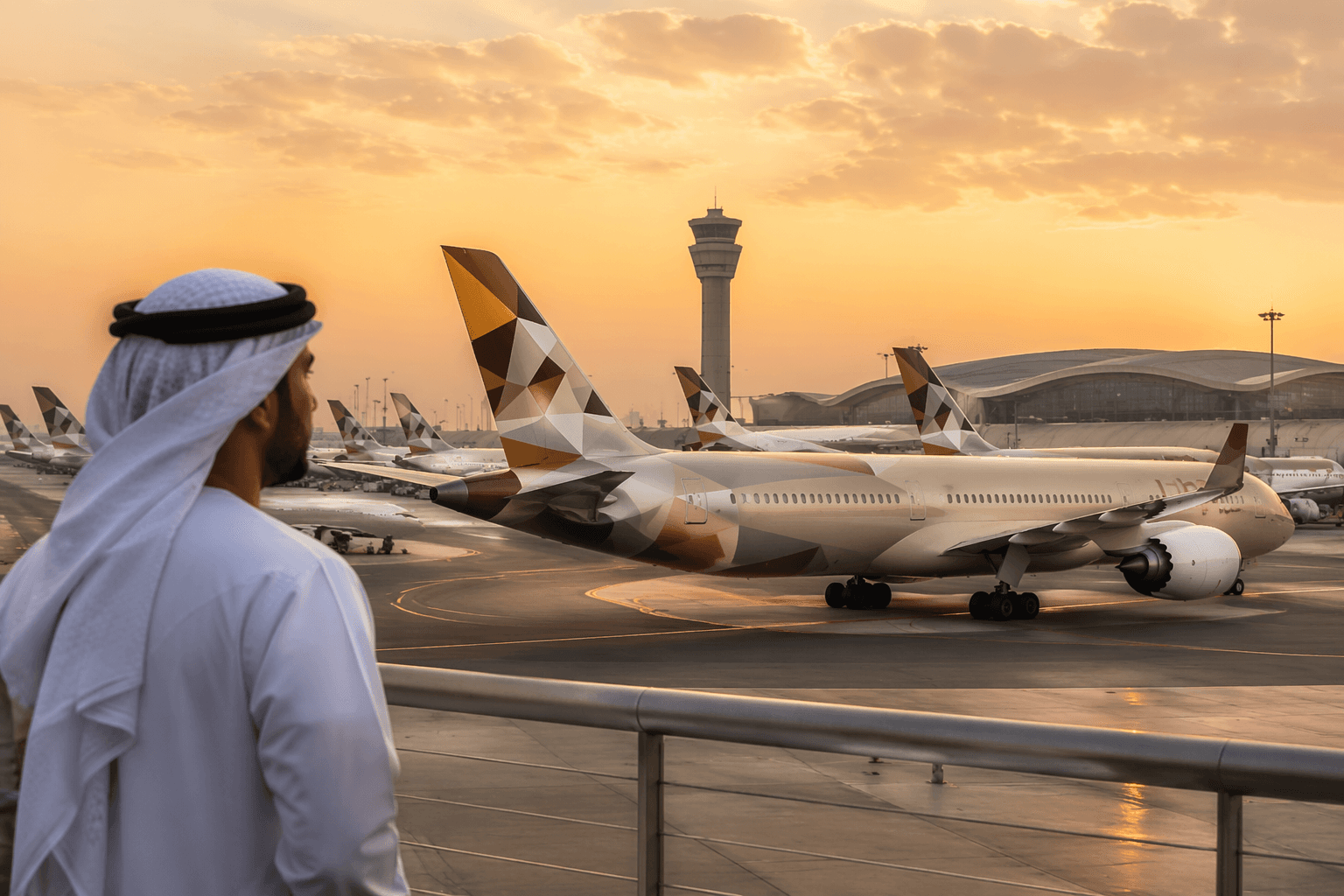
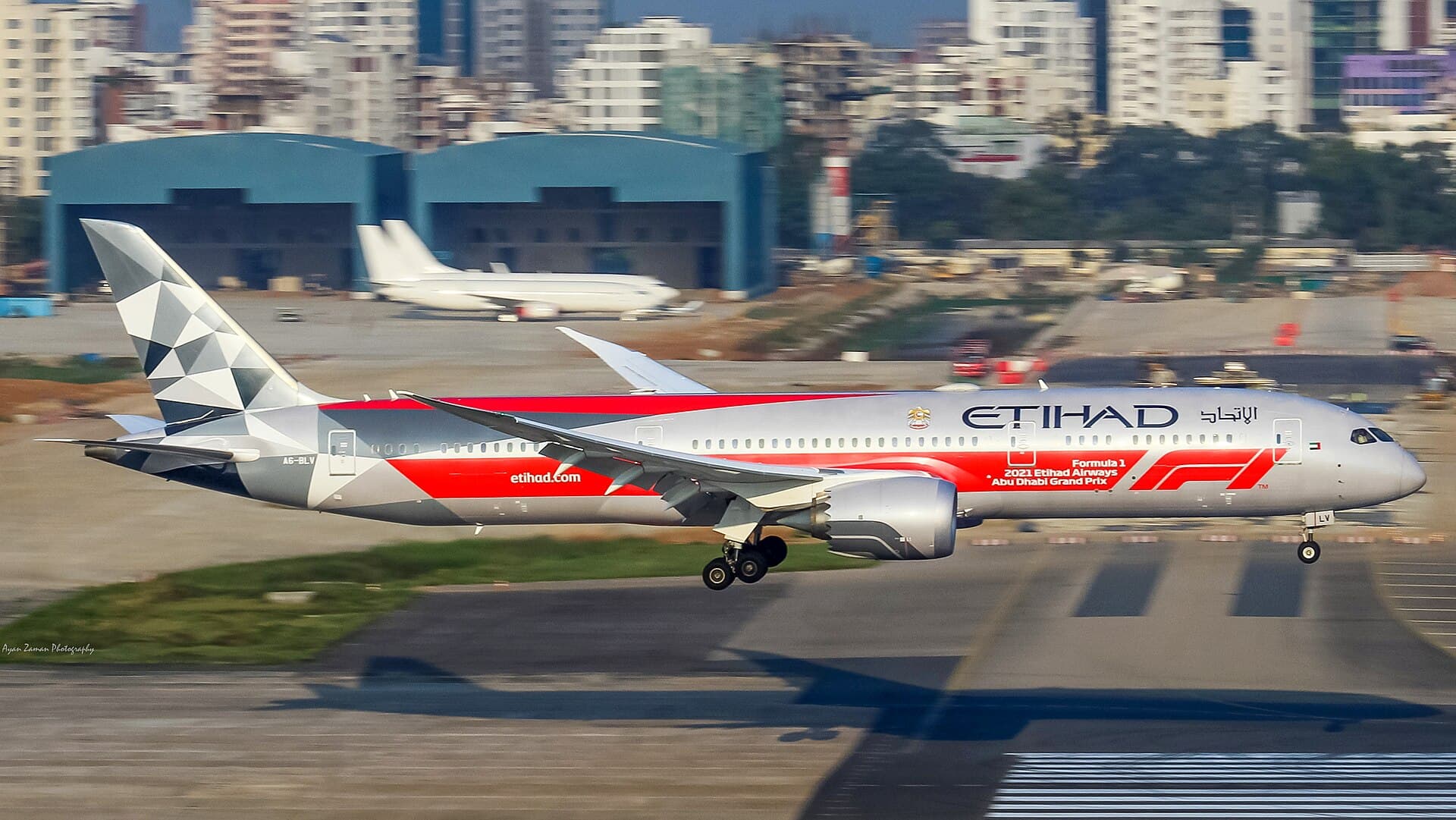
The bet comes after a volatile spring. Etihad cut flights in March when the U.S.-Israeli war on Iran pushed fuel prices higher and forced carriers across the region to reconsider schedules, capacity and costs. Gulf airlines temporarily suspended or reduced some operations during the escalation, including disruptions around Abu Dhabi’s Zayed International Airport, before later resuming limited service as conditions stabilized. Neves is now restoring flights rather than trimming further, and he said Etihad is not planning to cut costs by reducing service at the moment.
The logic is straightforward: keeping a plane flying can be cheaper than leaving seats empty. That calculation matters in a region where geopolitical shocks can quickly change traffic flows, but where airlines that secure aircraft, crews and demand can still gain an edge as routes normalize.
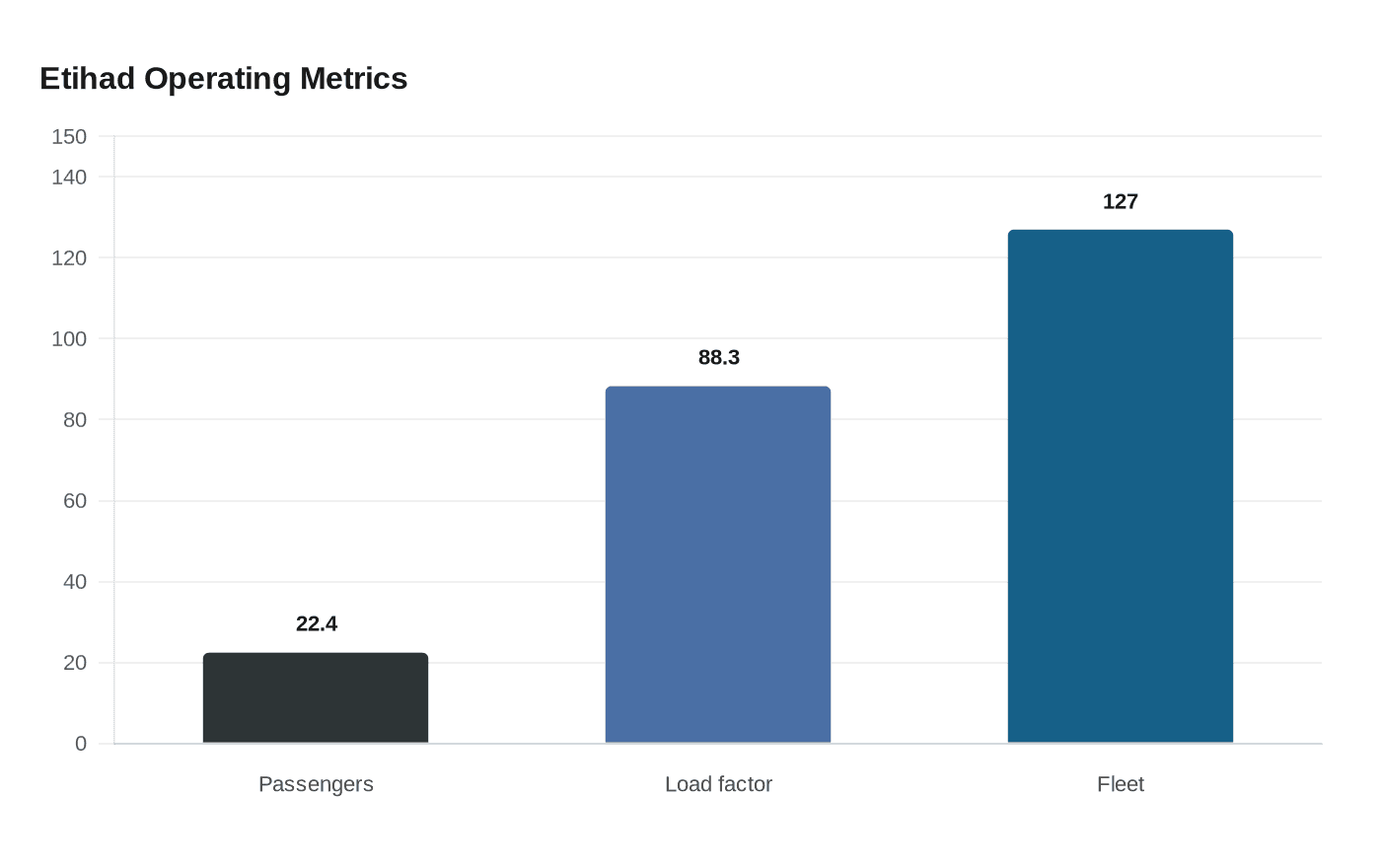
Etihad’s confidence is supported by its recent numbers. The airline said on January 12 that it carried 22.4 million passengers in 2025, up 21% from 2024. Its passenger load factor rose to 88.3% from 86.8% a year earlier, and its operating fleet grew to 127 aircraft from 98. Those figures suggest Etihad has been filling more of its seats even as it has expanded.
The wider industry backdrop remains unsettled. The International Air Transport Association said on May 28 that Middle East war conditions drove a 3.4% fall in air passenger demand in April, underscoring how quickly traffic can weaken when conflict spreads across air corridors. That tension was visible in Rio de Janeiro, where the 82nd IATA Annual General Meeting and World Air Transport Summit brought together about 1,500 representatives from airlines, manufacturers, suppliers and associations from June 6 to 8, hosted by LATAM Airlines Group.
For Etihad, the new widebody order suggests a clear judgment: the airline would rather add capacity while demand is holding up than wait for a perfectly calm operating environment that may not arrive.
This article was produced by Prism’s automated news system from verified source data, official records, and press releases, then run through automated quality and moderation checks before publishing. The system is built and supervised by the people who set the standards it runs under. Read our full AI policy.
Know something we missed? Have a correction or additional information?
Submit a Tip