Trump targets forced labour imports with new tariffs plan
Trump's new tariff plan would hit imports from 60 countries, but experts say it may shift trade more than stop forced labour. The proposal sets up a July fight over supply-chain enforcement.

The new tariff plan from Donald Trump puts the policy mismatch at the center of the fight: it threatens import penalties on goods tied to forced labour, yet experts and human-rights advocates say tariffs alone are unlikely to reach the coercion, debt bondage and abusive recruitment practices that keep the abuse in place.
The United States Trade Representative said it launched 60 Section 301 investigations on March 12, 2026, then issued findings and proposed action on June 2. Under the proposal, imports from 60 countries could face additional duties of 10% where governments have only partial forced-labour prohibitions, or 12.5% where officials do not adequately prohibit the practice. Public comments are due July 6, and a hearing is scheduled for July 7, setting up a fast-moving legal and political contest over how far Washington can push trade law in the name of labour enforcement.
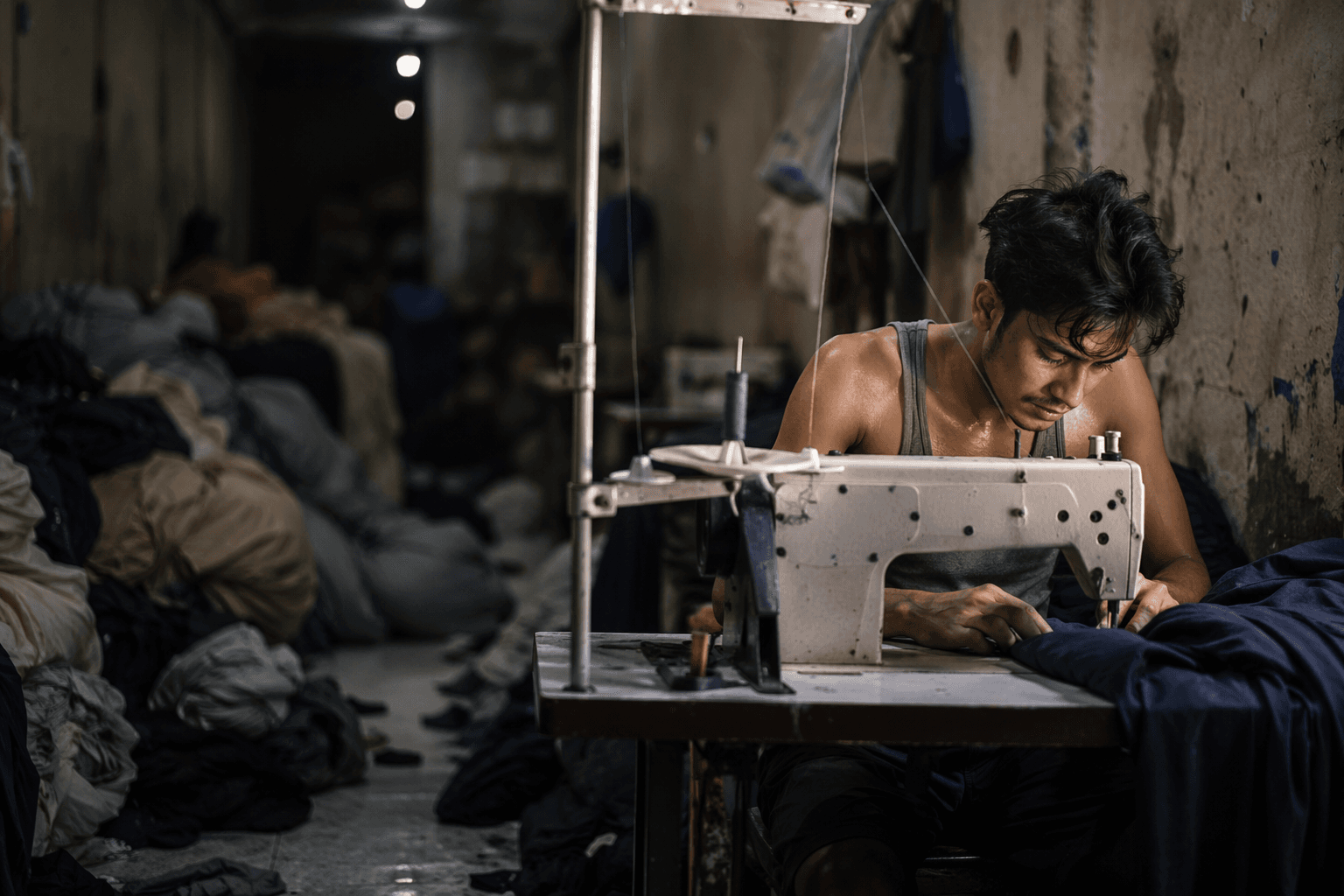
The action also fits into Trump’s effort to rebuild an emergency tariff arsenal after the Supreme Court struck down earlier tariffs in February. That legal backdrop matters because it shows the White House reaching for another route to preserve a pressure tool that was lost in court, even as critics question whether Section 301 is being used to solve a labour problem or simply justify new trade barriers.
The scale of the issue is far larger than any one country or shipment. The International Labour Organization says 27.6 million people are in forced labour worldwide, and that the practice exists in every country and every sector. Its global estimates show the private economy is a major site of abuse, especially in services, manufacturing, construction, agriculture and domestic work. The ILO has also said that efforts to end forced labour could lift global GDP, underscoring how the issue carries both rights and economic consequences.
Brazil’s government said it had deep disagreements with the proposal and argued that it distorts labour protection to justify unilateral trade measures. The reaction highlights the diplomatic risk for Washington, which is trying to frame the move as a rights policy while trading partners see a blunt tariff weapon. The European Union has also been wrestling with similar tensions between supply-chain enforcement, industrial strategy and human-rights goals.
The broader problem is enforcement. Tariffs can raise costs or push companies to reroute sourcing, but they do not by themselves trace goods through complex supply chains or stop abusive hiring practices at the factory, farm or worksite. Without stronger investigation, tracing and labour enforcement, the penalties may punish trade flows more effectively than they protect workers.
This article was produced by Prism’s automated news system from verified source data, official records, and press releases, then run through automated quality and moderation checks before publishing. The system is built and supervised by the people who set the standards it runs under. Read our full AI policy.
Know something we missed? Have a correction or additional information?
Submit a Tip