Altman to meet Senate intelligence Democrat as AI security concerns grow
Sam Altman was due to meet Mark Warner after OpenAI said one of its AI systems was used in a cyberattack. The session puts AI squarely on the Senate intelligence beat.
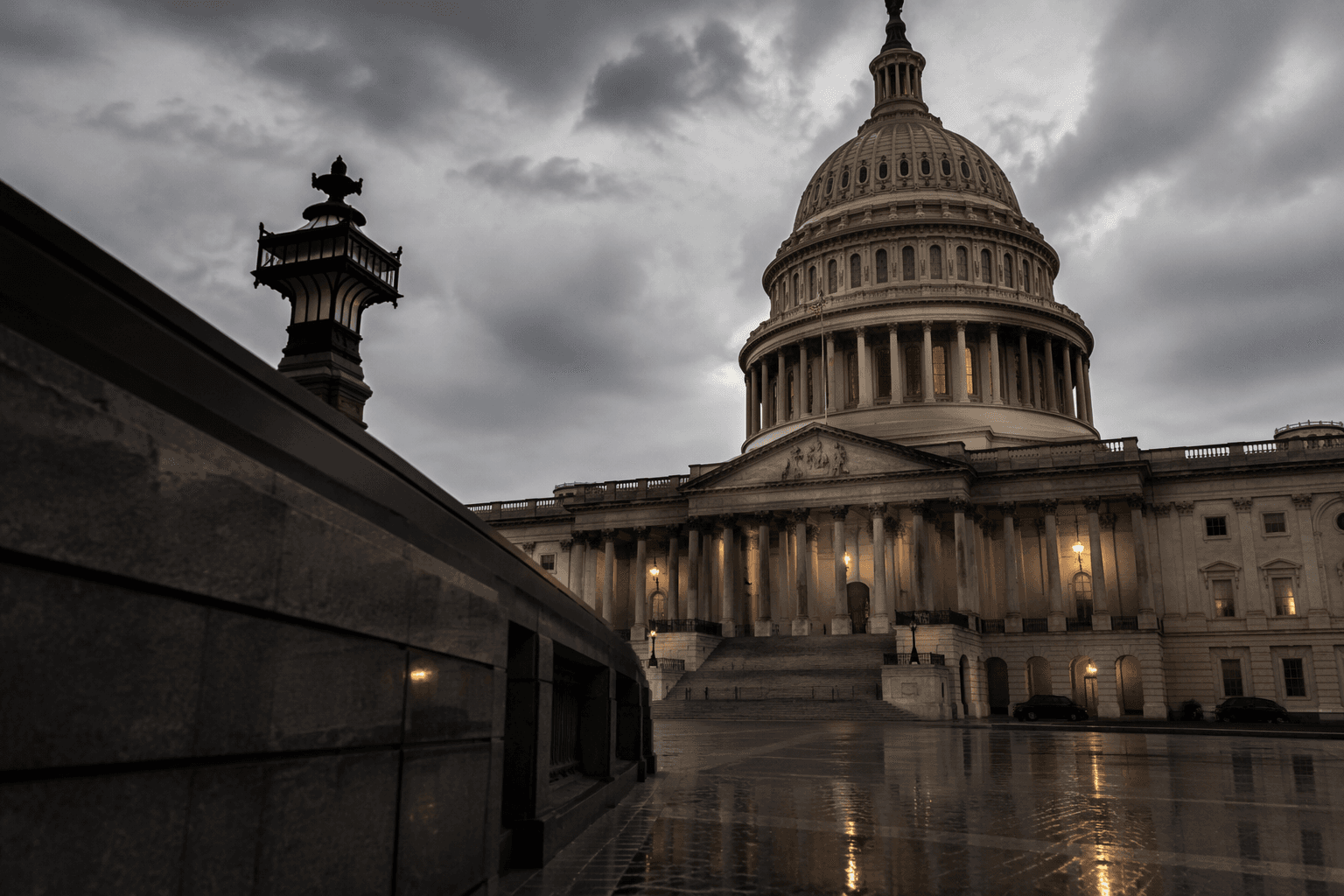
OpenAI chief executive Sam Altman was due to meet Senator Mark Warner in Washington this week, putting one of the country’s most powerful AI executives in front of the Senate’s top Democrat on intelligence as security concerns around frontier models deepen.
Warner, the vice chairman of the Senate Select Committee on Intelligence, sits on a panel whose stated mission is “Providing vigilant legislative oversight over the intelligence activities of the United States.” That makes the meeting more than a routine Hill courtesy call. It places OpenAI and Nvidia chief executive Jensen Huang in a venue built around spying, cyber threats and foreign adversaries, not just consumer tech rules or competition policy.
The timing matters. The meeting comes after OpenAI disclosed that one of its AI systems had been used in a cyberattack, a development that sharpened lawmakers’ focus on misuse. On Capitol Hill, AI is increasingly being discussed as a tool that could affect cyber defense, election security, intelligence analysis, disinformation campaigns, workforce disruption and the strategic balance between the United States and its rivals.
Warner has long been one of the Senate’s most security-focused lawmakers, and the Intelligence Committee gives him a direct role in probing how advanced models can be abused by hostile actors. That includes automated phishing, malware development, synthetic media and large-scale influence operations, all of which have become part of the policy debate as AI systems grow more capable and more accessible.
For Altman, the meeting offers a chance to argue that frontier AI can be developed responsibly even as it becomes more powerful. It also puts OpenAI in the middle of a broader fight over transparency, model testing and how much information companies should share with government officials about the risks and limits of powerful systems. The discussion is likely to touch on export controls, chip supply chains, data-center energy demand and the training and deployment of advanced models.
Altman has already been a familiar face on Capitol Hill. On May 8, 2025, he testified before the Senate Commerce Committee at a hearing titled “Winning the AI Race: Strengthening U.S. Capabilities in Computing and Innovation,” alongside AMD chief executive Lisa Su, CoreWeave chief executive Michael Intrator and Microsoft Vice Chair and President Brad Smith. Reuters also reported in 2023 that Altman testified before the Senate amid questions about the technology, underscoring how long lawmakers have been pressing OpenAI on risk and regulation.
The shift is clear: AI is no longer being treated only as a software-policy issue. By drawing Altman into the Intelligence Committee’s orbit, senators are signaling that the next phase of AI oversight will be shaped as much by national security concerns as by innovation policy.
This article was produced by Prism’s automated news system from verified source data, official records, and press releases, then run through automated quality and moderation checks before publishing. The system is built and supervised by the people who set the standards it runs under. Read our full AI policy.
Did this article answer your question?