Nvidia reported behind $50 billion Texas data center lease
Nvidia was reported behind a Texas data-center lease worth up to $50 billion, underscoring how AI builders are racing for power, land and long-term capacity.
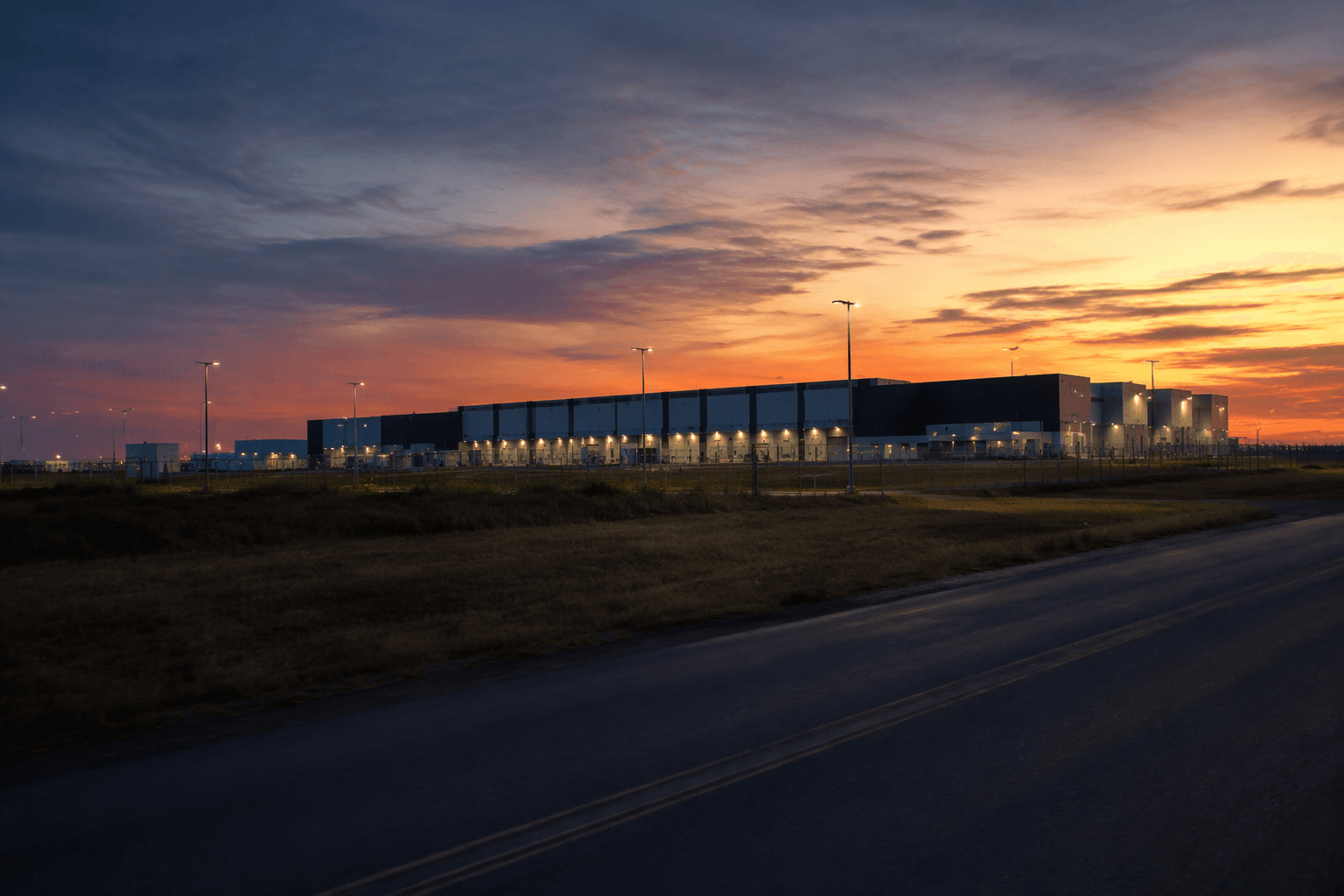
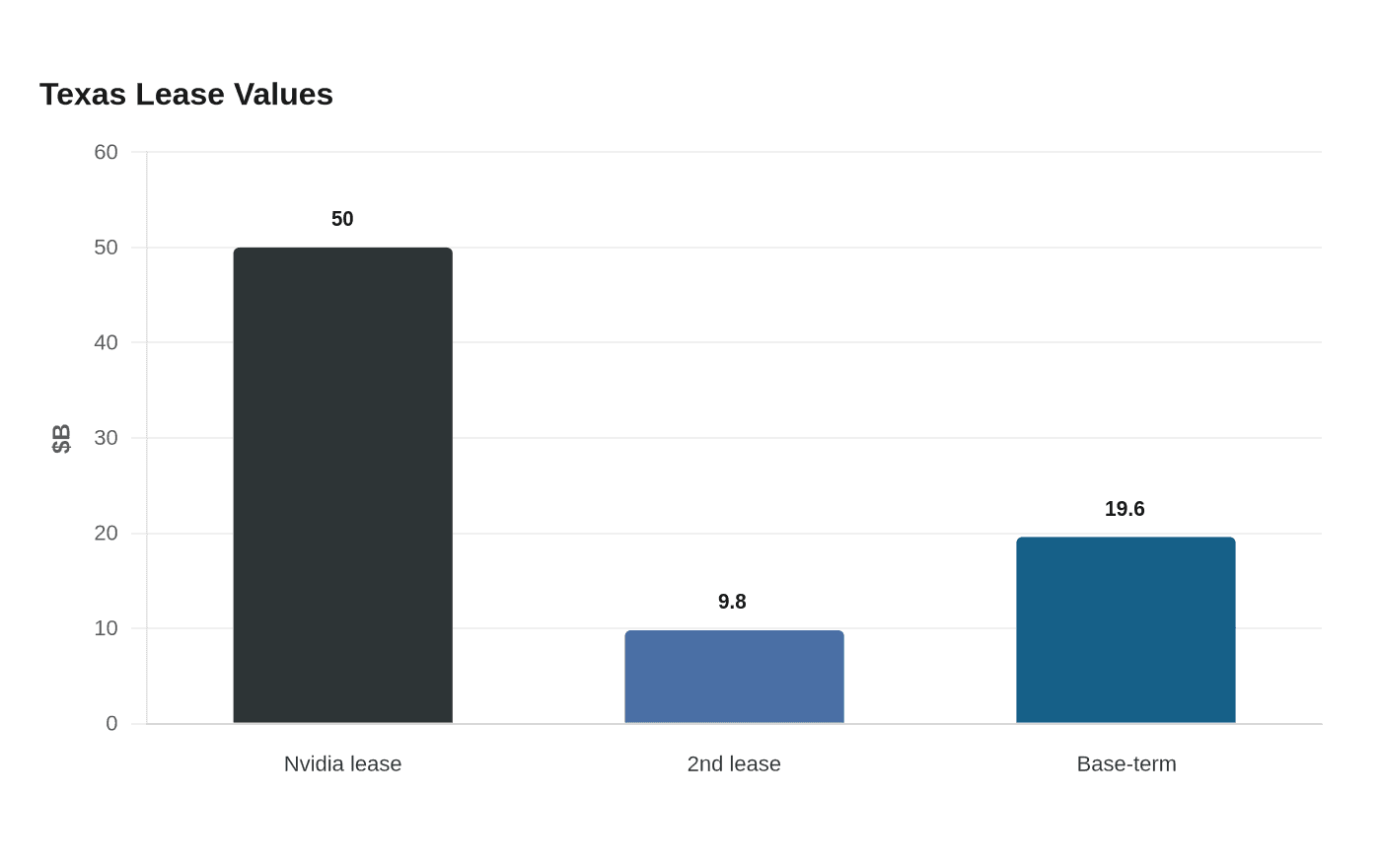
Nvidia has signed leases worth up to $50 billion for Hut 8’s Texas data center, the Financial Times reported, citing five people familiar with the deal. The scale of the commitment signals how the generative-AI boom has pushed computing into an industrial land grab, where access to electricity, land and cooling capacity can matter as much as chips.
The Texas deal lands after Hut 8, the crypto-mining turned AI data center company, said on July 20 that it had signed a second 15-year lease worth $9.8 billion with an existing investment-grade customer. That agreement fully commercialized Hut 8’s 1-gigawatt Beacon Point campus in Nueces County, Texas. Another report said the lease doubled the tenant’s contracted footprint at Beacon Point to 704 MW and lifted the campus base-term contract value to $19.6 billion.
Those numbers point to the size of the buildout now taking shape across Texas. Data centers house the servers, networking gear and cooling systems needed to train large models and run AI applications, and projects at this scale can bring construction jobs, major capital spending and tax revenue. They also put new pressure on local electric grids, water supplies and permitting systems, especially in counties that must absorb the physical footprint of a fast-growing tech economy.
For Nvidia, the reported lease shows how far the company’s influence now reaches beyond chip sales. The firm sits at the center of an ecosystem that includes cloud providers, model developers and the financing needed to stand up AI capacity at scale. A long-term commitment to a site like Beacon Point would help lock in future demand for Nvidia-enabled computing while giving Hut 8 and its backers a more stable base for expansion.
The economics of the deal also cut against the notion that the AI buildout is slowing. Even with market volatility and periodic warnings of overinvestment, the capital being committed to Texas suggests long-horizon bets on AI infrastructure remain enormous. The race is no longer only about who can build the best model; it is about who can secure the land, power and physical capacity to run the next phase of U.S. computing.
This article was produced by Prism’s automated news system from verified source data, official records, and press releases, then run through automated quality and moderation checks before publishing. The system is built and supervised by the people who set the standards it runs under. Read our full AI policy.
Did this article answer your question?