Amadeus bets on biometric travel, buys Idemia Public Security
Amadeus is paying €1.2 billion for Idemia Public Security, deepening a bet that airport speed will come from biometric data.

Amadeus is spending €1.2 billion to tighten its grip on the biometric layer of travel, a move that pushes one of Europe’s biggest travel-technology companies deeper into the business of identity, surveillance and passenger flow. The all-cash deal for Idemia Public Security, announced on April 29, gave Amadeus another step toward a travel system where faces, fingerprints and iris scans replace the passport, boarding pass and room key.
The acquisition built on a pattern that started with Vision-Box, which Amadeus completed buying on April 8, 2024. That earlier deal added biometric hardware, software and border-control tools to Amadeus’s portfolio, along with about 470 employees and expected 2023 revenue of roughly €70 million. Together, the two purchases show that Amadeus is not treating biometrics as a side business. It is trying to own more of the infrastructure that decides how passengers move through airports, borders and hotels.
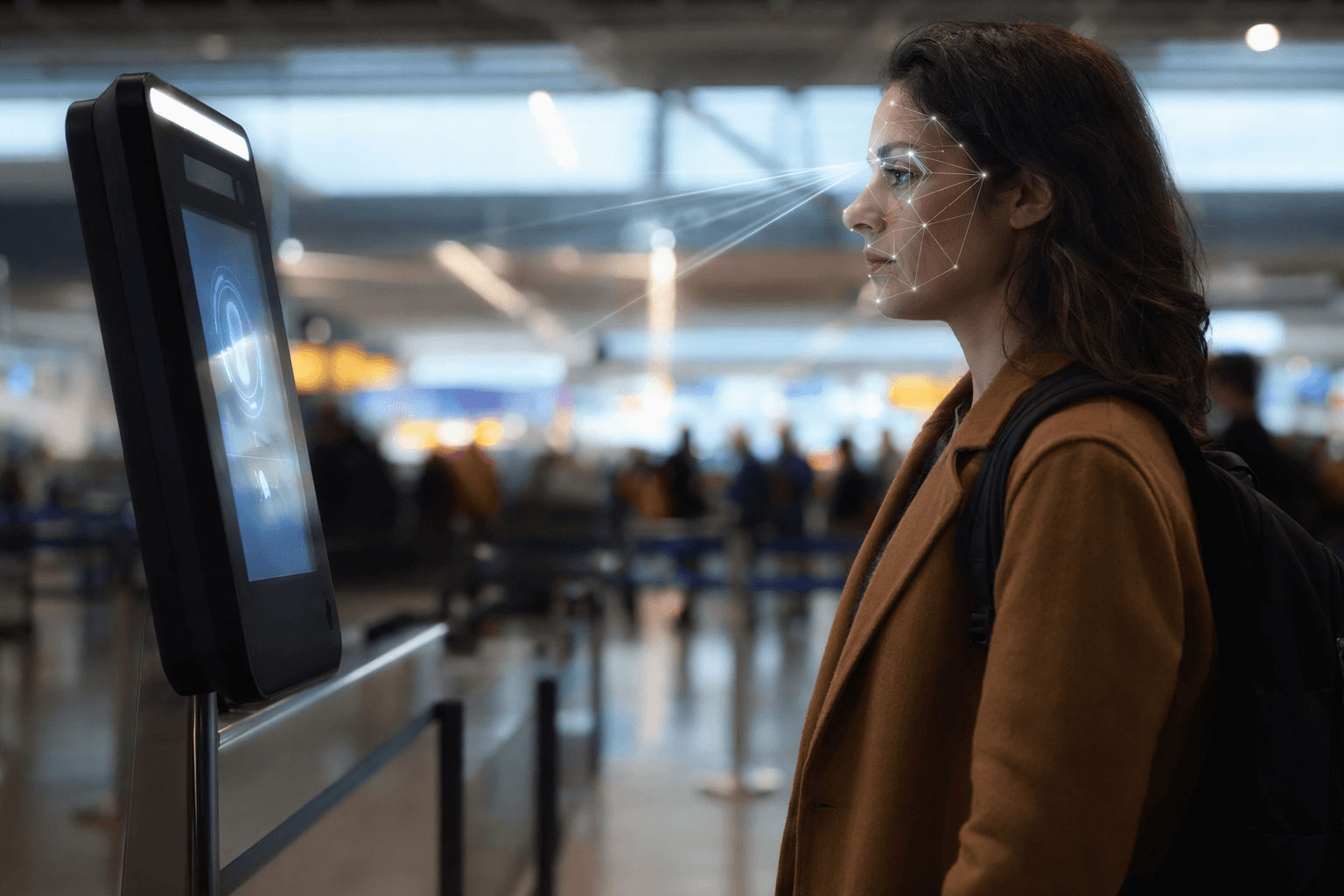
Amadeus said the IPS transaction followed a competitive bid process and described the French company as a global biometrics and identity services provider with customers in both the public and private sectors. Idemia Public Security already sells travel systems such as ID2Travel, which is designed to make airport processes faster and less intrusive at bag drop, airside access, passport control and boarding control. That is the promise driving the market: less friction for travelers, higher throughput for airports and more efficiency across the chain.
But the trade-off is hard to miss. Seamless travel depends on collecting and routing more biometric and behavioral data, and the more invisible the process becomes, the more power shifts to the firms and airports that manage that information. The practical question is not only whether passengers consent, but how meaningful that consent is when speed is bundled into the price of participation. The other question is what happens when these systems fail, misidentify someone or are used beyond the narrow purpose a traveler thought was being served.

The push comes while Amadeus remains financially strong. The company said full-year 2025 revenue rose 6.1 percent to €6.517 billion, operating income increased 8.0 percent to €1.7584 billion and profit reached €1.3356 billion. In its first-quarter 2026 update on May 8, revenue rose 3.1 percent year over year to €1.6826 billion, adjusted EBIT increased 6.6 percent at constant currency and free cash flow came in at €273.6 million, though growth was slowed by conditions in the Middle East.
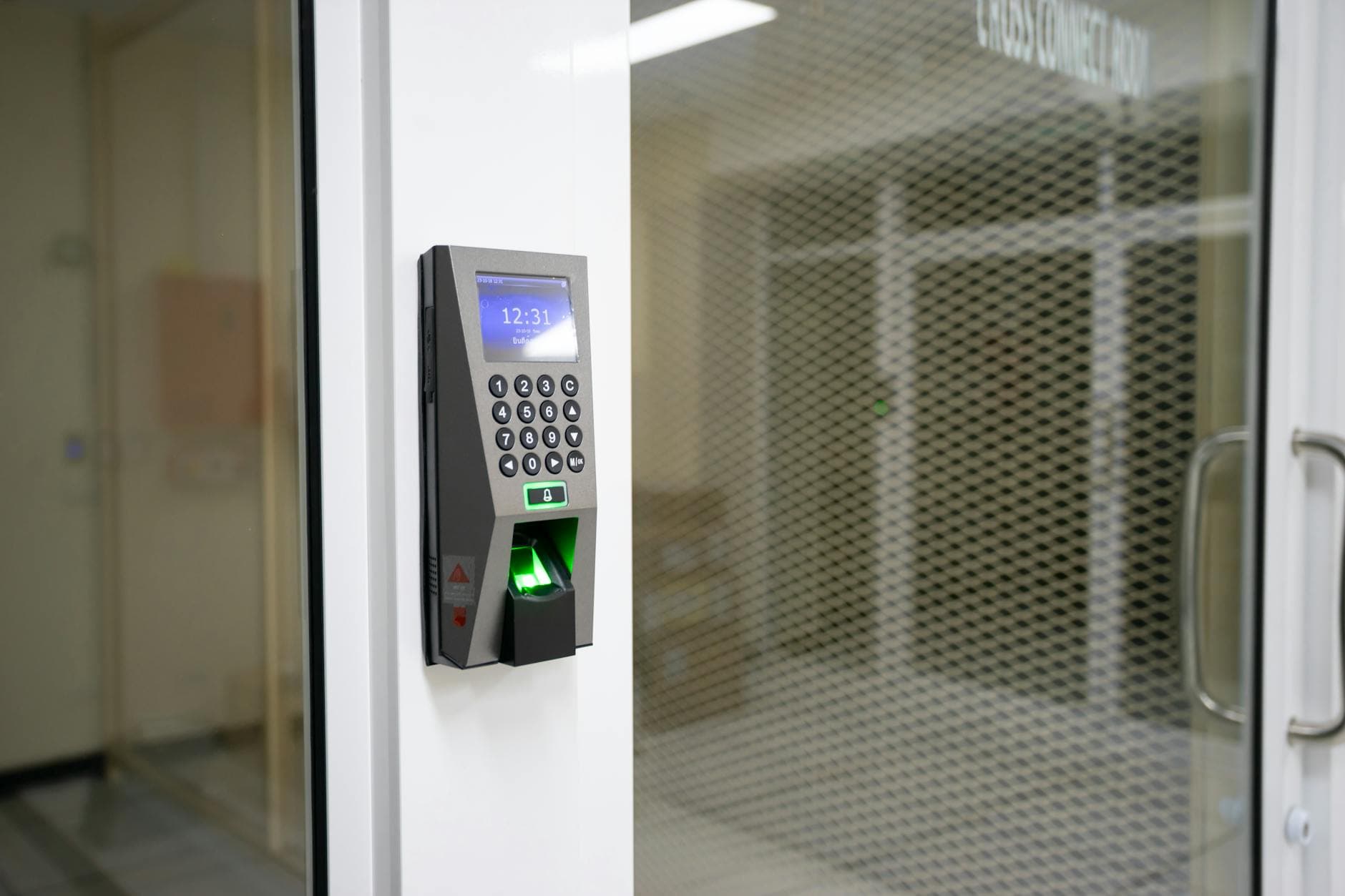
For chief executive Luis Maroto, the logic is strategic as well as financial. Amadeus said IPS would strengthen its airports and border-control business, expand its reach in the United States and Asia and help it orchestrate a more fully digitized travel ecosystem. Investors are now weighing whether that vision becomes the next operating layer of global travel or an expensive drift away from Amadeus’s core business.
This article was produced by Prism’s automated news system from verified source data, official records, and press releases, then run through automated quality and moderation checks before publishing. The system is built and supervised by the people who set the standards it runs under. Read our full AI policy.
Did this article answer your question?
%3Amax_bytes(150000)%3Astrip_icc()%2FCertificate-of-deposit-2301f2164ceb4e91b100cb92aa6f868a.jpg&w=1920&q=75)