HMRC awards Quantexa £175m AI deal to tackle fraud and tax errors
HMRC handed Quantexa a £175m AI contract to chase fraud and tax errors, while the tax gap still stood at £46.8 billion.
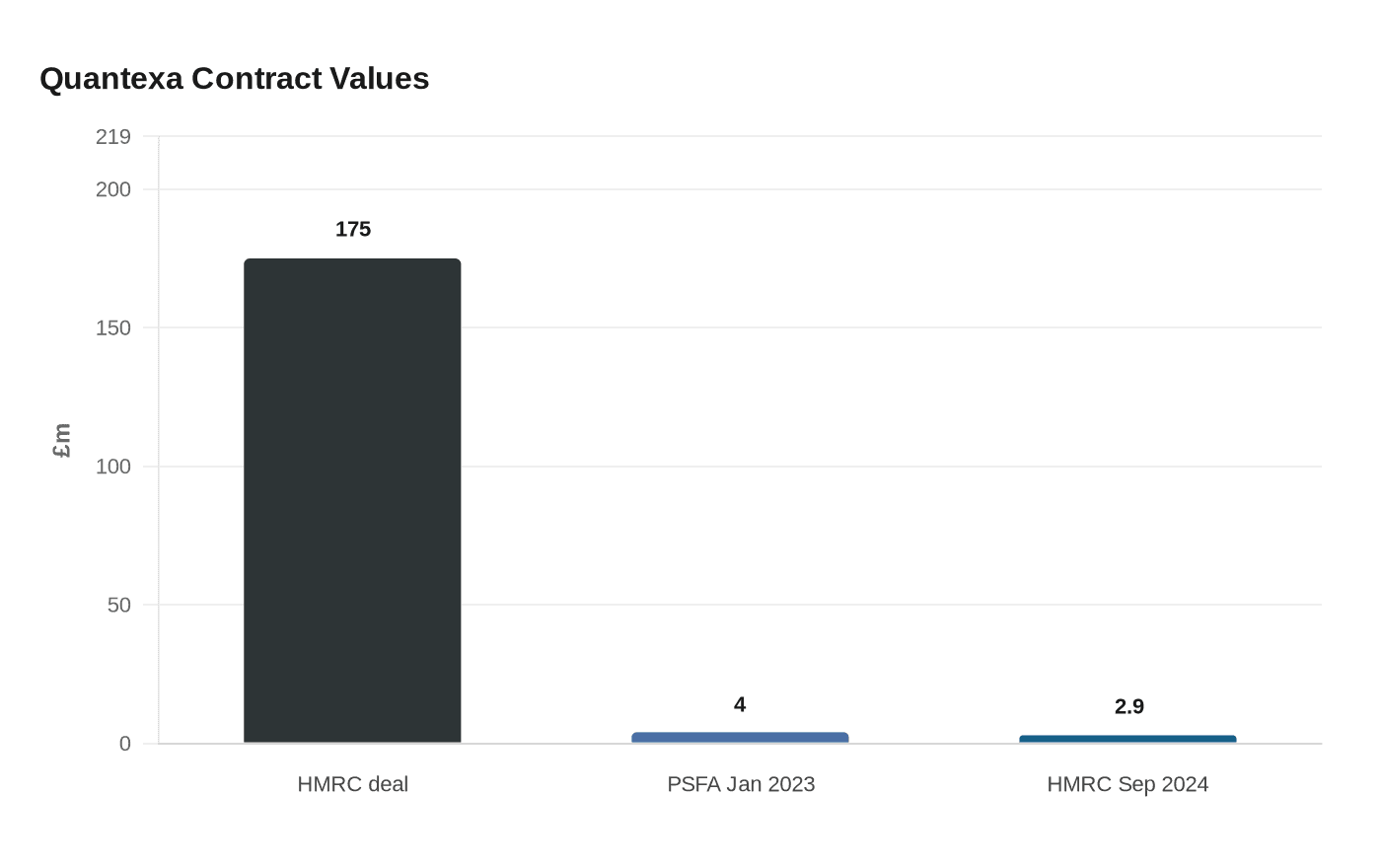
HM Revenue & Customs awarded Quantexa a £175 million, 10-year contract to use AI in the fight against fraud and tax return errors, betting that better data could recover more revenue and reduce mistakes across Britain’s tax system. HMRC said the deal would help overhaul fragmented legacy systems by building a sovereign data foundation that combines its own records with external sources, using entity-resolution and decision-intelligence tools to spot fraud, uncover hidden networks of companies and individuals, and correct unintentional errors faster.
The scale of the problem remains large. HMRC said the UK tax gap stood at 5.3%, or £46.8 billion, in 2023 to 2024, underscoring why the department is leaning harder on data analytics, digital services and AI. The government has said measures announced in Autumn Budget 2024 and the Spring Statement 2025 could raise an additional £7.5 billion a year by 2029 to 2030, backed by 5,500 new compliance staff and 2,400 debt management staff over five years. HMRC’s Fraud Investigation Service has around 5,000 professionals, and the department said it protected £48.0 billion of tax in 2024 to 2025 by tackling avoidance, evasion and error.

The promise is clear enough: more recovered revenue, fewer errors and faster targeting of the cases most likely to matter. The harder question is how far HMRC can push automation without creating a new layer of opaque decision-making for ordinary taxpayers and small businesses. A system built to fuse internal and external data can be powerful at surfacing concealed relationships, but it can also widen the risk of false positives if records are incomplete, mismatched or poorly explained. The test for HMRC will be whether people flagged by the system can understand why they were caught and how quickly those flags can be reviewed.
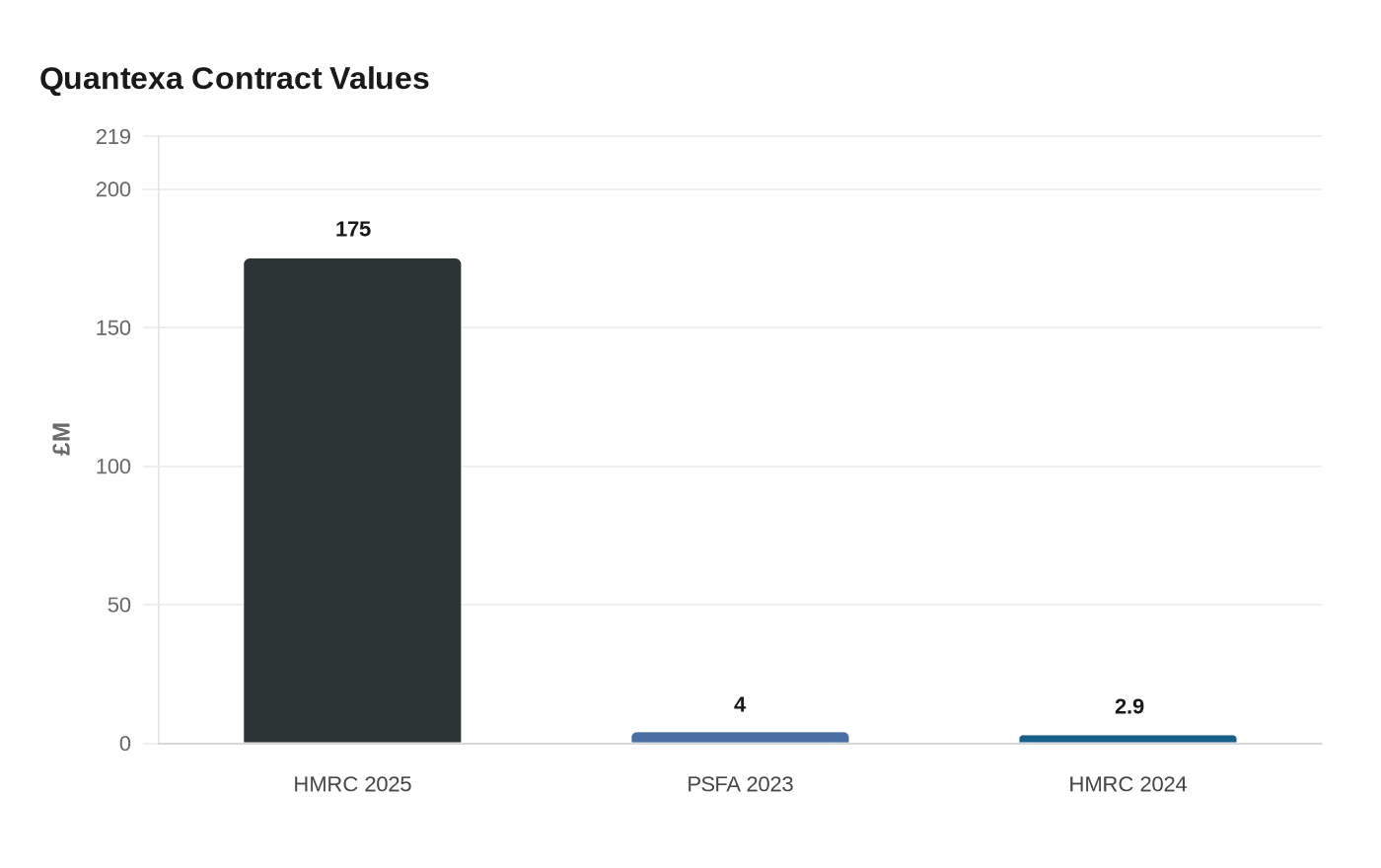
Quantexa is already embedded in the state’s anti-fraud arsenal. The Public Sector Fraud Authority awarded the company a £4 million contract in January 2023 to help recover fraud against the public purse, and in March 2024 Quantexa said it was continuing work with the Cabinet Office and the PSFA on the Single Network Analytics Platform. That upgrade added 18,000 UK and US sanctioned entities, 1,000 World Bank debarments and 647,000 UK dormant companies, showing the scale of the data integration now being used against fraud.
HMRC itself signed a separate £2.9 million, two-year Quantexa contract in September 2024 to replace its in-house Enterprise Matching Tool, which had been rolled out in November 2023 and handled individuals well but struggled with organisational data. The latest deal suggests HMRC wants a much deeper overhaul, not just a software patch.
The wider policy backdrop is equally stark. The Public Accounts Committee said in January 2026 that data analytics has been used for years but remains underdeveloped outside HMRC and the Department for Work and Pensions, with legacy IT, weak digital leadership and poor data-sharing still holding it back. The committee said wider analytics could cut fraud and error losses by up to £6 billion a year. HMRC is also expected to face more intelligence from a whistleblower scheme that could offer informants up to 30% of recovered funds, as tip-offs and raids on suspected fraudsters continue to rise.
This article was produced by Prism’s automated news system from verified source data, official records, and press releases, then run through automated quality and moderation checks before publishing. The system is built and supervised by the people who set the standards it runs under. Read our full AI policy.
Did this article answer your question?