American Cancer Society updates colorectal cancer screening guidelines at 45
The cancer society kept the screening start age at 45 and added blood and stool tests as more than 20 million eligible Americans still skip screening.
The American Cancer Society kept colorectal cancer screening at age 45 for average-risk adults and added new testing options meant to make the exam easier to complete, as more than 20 million eligible Americans remain unscreened.
The updated guidance, released May 27, said average-risk adults should begin screening at 45 and continue through age 75 if they have a life expectancy greater than 10 years. Adults ages 76 through 85 should make screening decisions based on personal preferences, life expectancy, overall health and prior screening history, while people over 85 should no longer be screened.

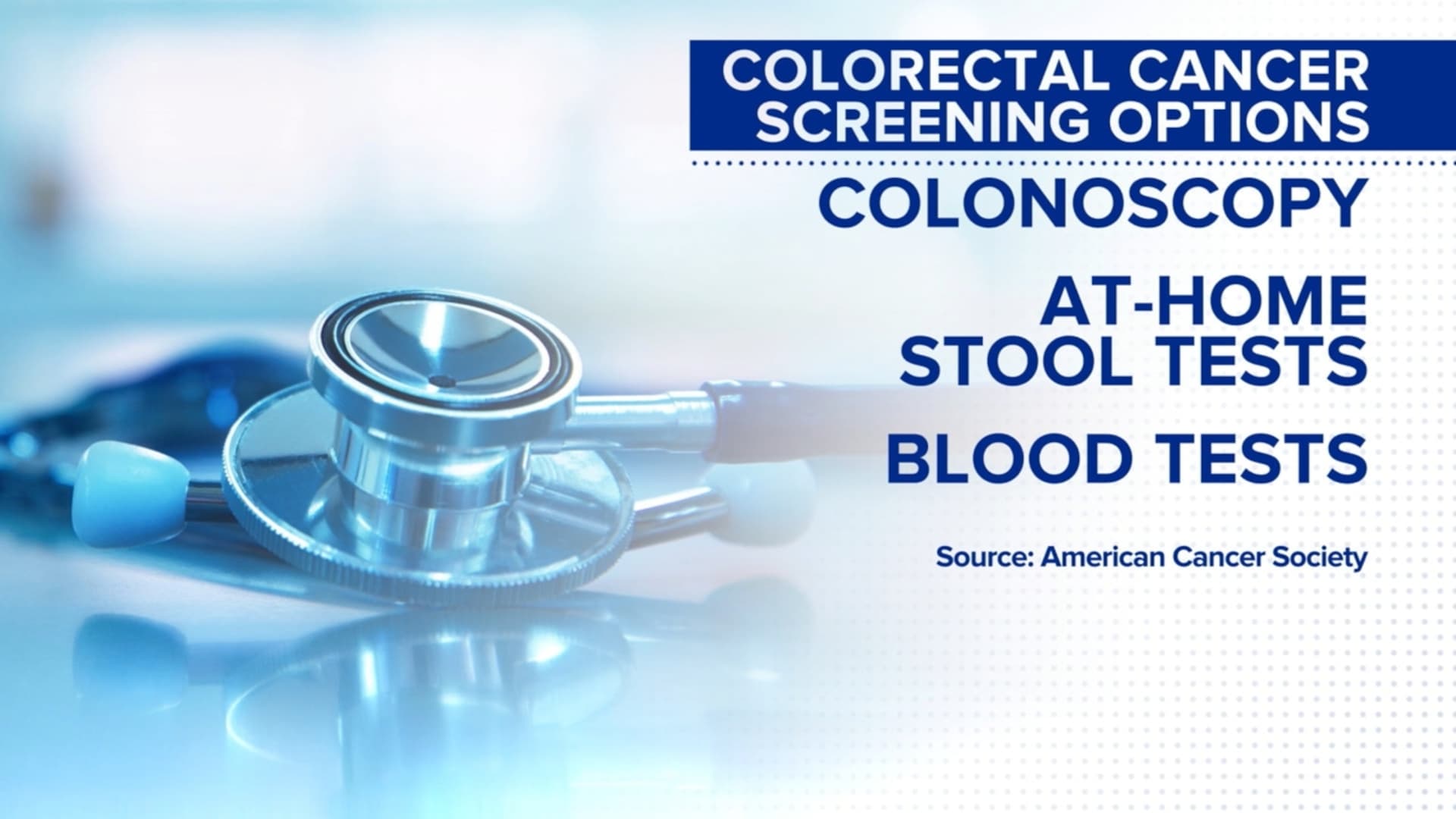
The change also expanded the menu of tests. The society added guidance for a blood-based screening test done in a doctor’s office, plus one updated at-home stool test and one new at-home stool test that look for hidden blood and molecular markers in stool samples. Colonoscopy remains the gold standard, but the society said the most effective test is the one a patient actually completes.
Dr. Robert Smith, senior vice president for early cancer detection science at the American Cancer Society, said the goal was to help more eligible adults take part in lifesaving testing, close the screening gap and catch cancers earlier. The society said the update reflects advances in detection and is intended to lower barriers to access, especially for people who have put off screening because of time, preparation or discomfort.
The stakes remain high. The American Cancer Society said colorectal cancer is now the top cancer killer of adults under 50, even as rates have moved in opposite directions, rising in people younger than 50 and falling in older adults, especially those 65 and older. The Centers for Disease Control and Prevention says colorectal cancer is the fourth most common cancer in men and women in the United States and the fourth leading cause of cancer-related death.
The screening age shift is not new. The American Cancer Society first lowered the recommended starting age from 50 to 45 in 2018, and the U.S. Preventive Services Task Force followed with its own recommendation in May 2021. The CDC says about 7 in 10 U.S. adults ages 50 to 75 are up to date with screening, leaving a large gap in prevention and early detection. For adults facing symptoms or weighing whether to start sooner because of family history, the practical message is clear: earlier testing can find precancerous polyps before they become cancer and detect disease when treatment works best.
This article was produced by Prism’s automated news system from verified source data, official records, and press releases, then run through automated quality and moderation checks before publishing. The system is built and supervised by the people who set the standards it runs under. Read our full AI policy.
Know something we missed? Have a correction or additional information?
Submit a Tip