Nancy Davis marks 35 years of Race to Erase MS efforts
Nancy Davis turned her 1991 MS diagnosis into a 35-year campaign that has raised more than $56 million and returns to Los Angeles on June 5.
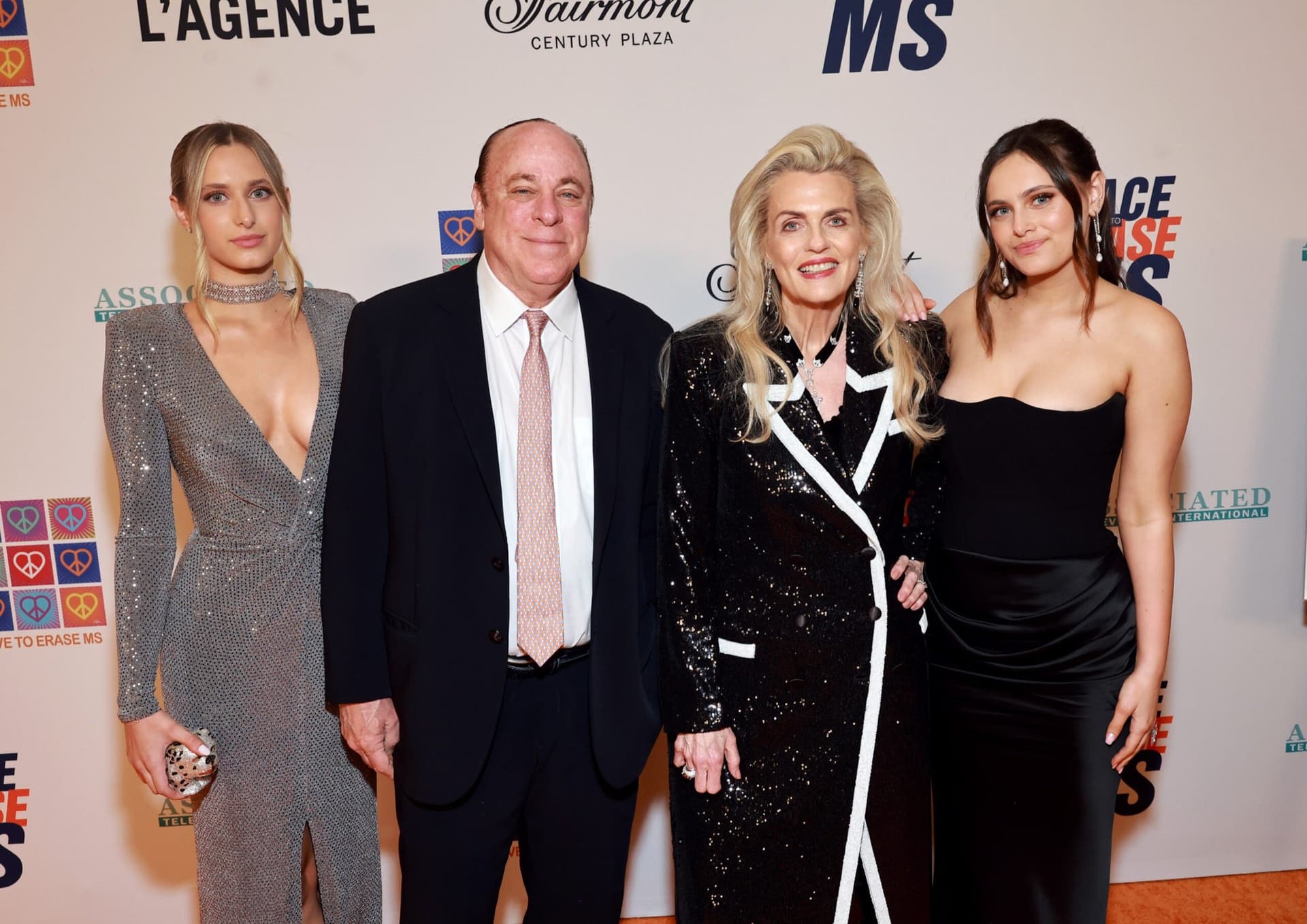
Nancy Davis transformed a personal diagnosis into one of the most durable celebrity-backed disease campaigns in the country, building Race to Erase MS into a fundraiser and research engine that has now operated for more than three decades. The foundation says it was created in 1993 after Davis was diagnosed with multiple sclerosis, a disease she has said she learned she had in 1991.
That long run has produced real money for research. Race to Erase MS says it has raised more than $56 million, with some tallies putting the total above $58 million, through its annual gala and its Center Without Walls research program. The organization’s next gala was scheduled for June 5, 2026, at the Fairmont Century Plaza in Los Angeles, keeping the campaign visible at a time when MS remains incurable and medically demanding.

The scale of the disease underscores why the fundraising still matters. The National Multiple Sclerosis Society says nearly 1 million people in the United States live with MS, and about 2.8 million to 2.9 million people worldwide are affected. MS is more common in young adults and in women, and most patients are diagnosed between ages 20 and 50. There is still no cure.
At the same time, the treatment landscape has changed sharply since Davis first began organizing around the disease. Recent MS reporting has noted that many FDA-approved drugs are now available to help slow progression, even though they do not stop or reverse the disease. That shift matters for patients who once had few options, but it also shows the limits of celebrity advocacy: awareness and fundraising can accelerate research, yet they do not erase the need for better therapies, clearer diagnosis, and ultimately a cure.
Race to Erase MS has helped keep that pressure in the public eye as celebrities with MS have also used their platforms to speak publicly about the illness. Christina Applegate and Selma Blair both drew broad attention after revealing their diagnoses, helping push MS into more mainstream conversation. Their visibility, along with Davis’s long-running campaign, has helped turn a once lower-profile condition into a more visible public-health issue.
Still, the central fact has not changed. MS continues to affect millions of people in the United States and around the world, and the foundation Davis started in 1993 remains focused on the same unfinished goal that launched it: finding a cure.
This article was produced by Prism’s automated news system from verified source data, official records, and press releases, then run through automated quality and moderation checks before publishing. The system is built and supervised by the people who set the standards it runs under. Read our full AI policy.
Know something we missed? Have a correction or additional information?
Submit a Tip